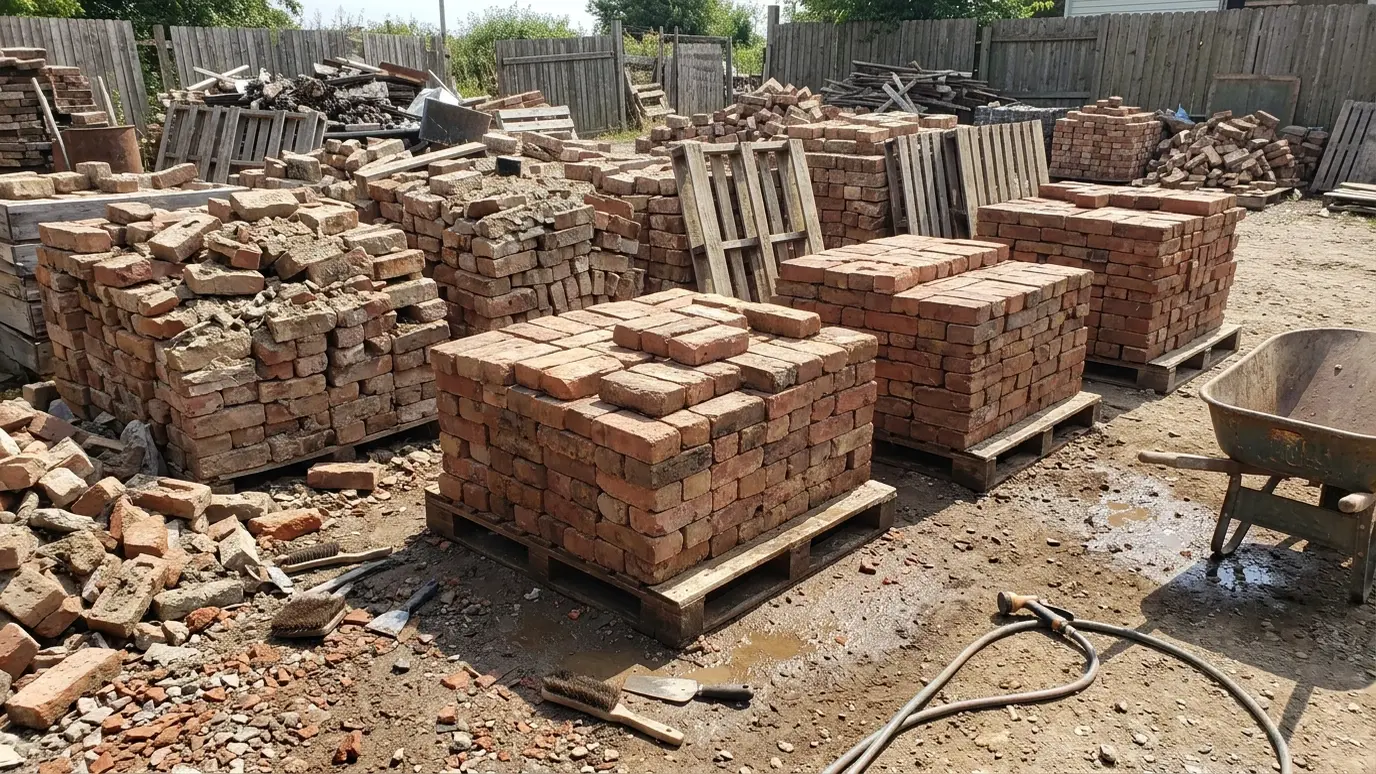
Old brick, block and stone walls are strong, heavy and sometimes valuable. Here is how masonry comes down and what can be saved.
Brick and block make some of the longest-lasting walls in Tennessee. Chimneys, foundation walls, veneers and retaining walls built long ago still stand because mortar and masonry resist weather. Taking them down means dealing with weight, falling debris and, in old walls, soft lime mortar and sometimes lead paint.
Hand-laid old brick with lime mortar can often be cleaned and reused, and buyers look for it. Newer brick and block are typically crushed and recycled. We take masonry down from the top in controlled sections, keep a clear fall zone and sort salvage from rubble.
Controlled, top-down removal.
Cleaned and resold or reused.
Kept clear for safety.
Crushed for base material.
Lead awareness in old walls.
Removed to the plan.
Plan your debris, check your readiness or ballpark a budget.
 Demolition Debris and Dumpster CalculatorPick the project and size to see the debris in cubic yards, the tons and the dumpsters or truckloads to plan for.Try it
 Demolition Readiness ChecklistCheck off the steps you have done to see how ready your project is and what to do next.Try it
 Demolition Project Budget PlannerPick a project and a size and get a ballpark planning range.Try it
Often yes, especially soft lime mortar brick that cleans easily.
Top-down in sections, with a clear fall zone and protection for the roof.
Yes. It is crushed and reused as base.
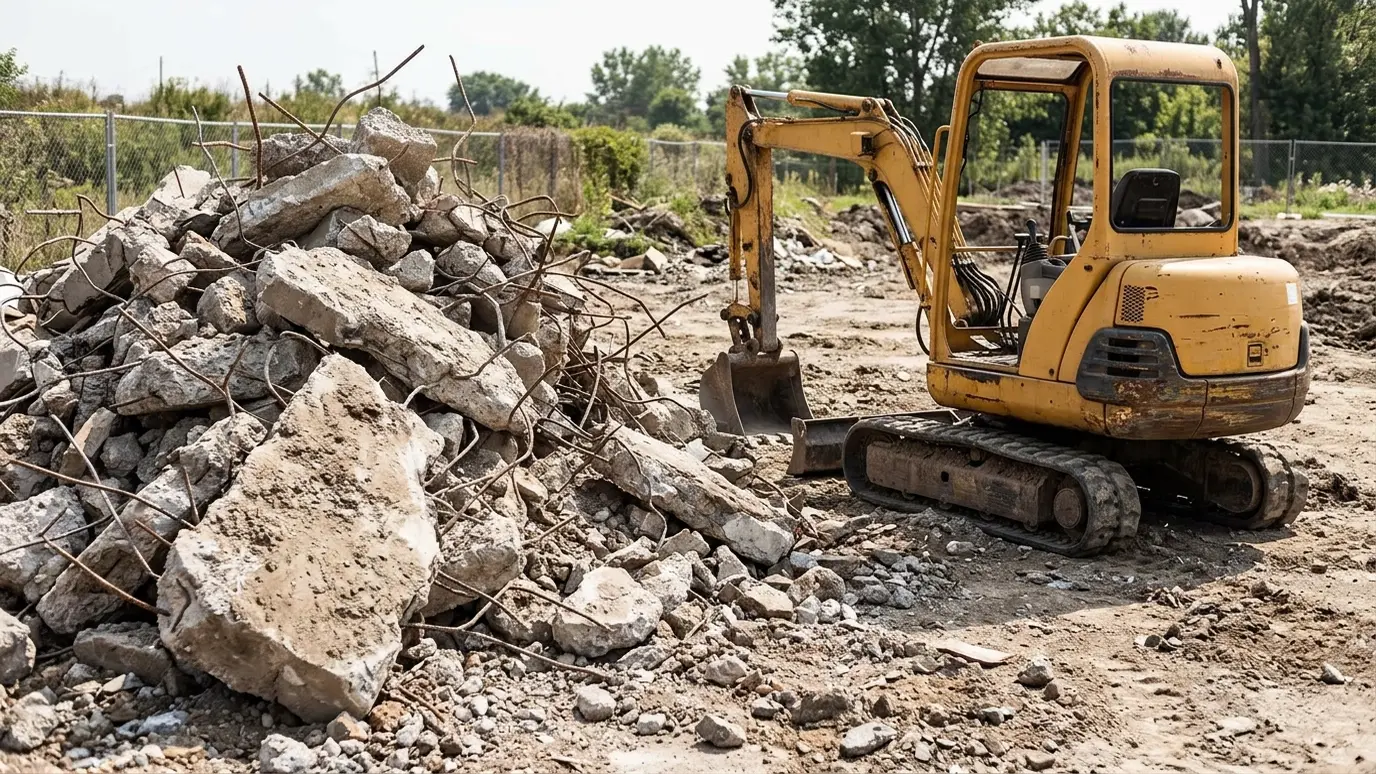 Material guideConcreteThe heaviest thing on most demolition jobs. Here is how concrete is removed, how much it weighs and…Learn more
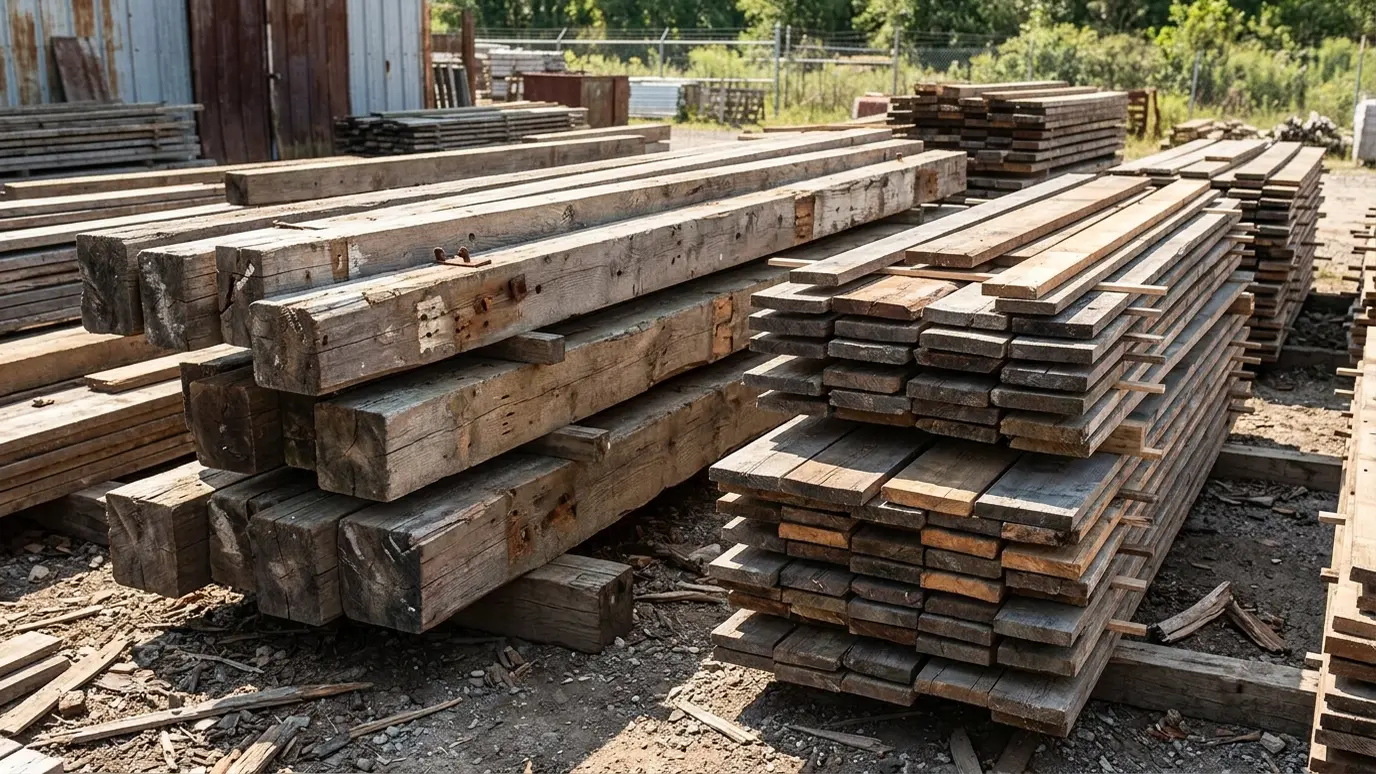 Material guideWood FramingLumber and timber make up most of a house. Here is what happens to wood framing, which pieces…Learn more
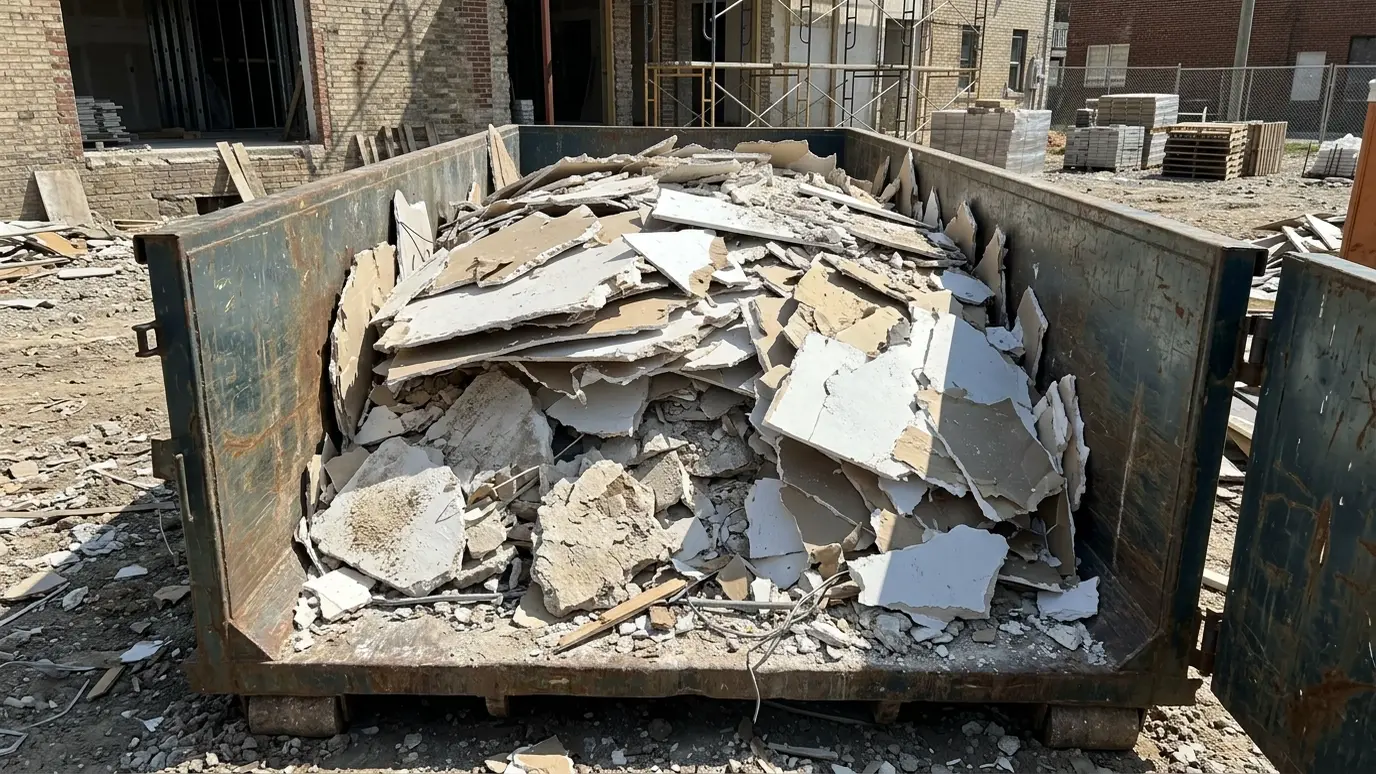 Material guideDrywall and PlasterDrywall is light and dusty. Plaster is heavy and dusty. Here is how each comes down and what…Learn more
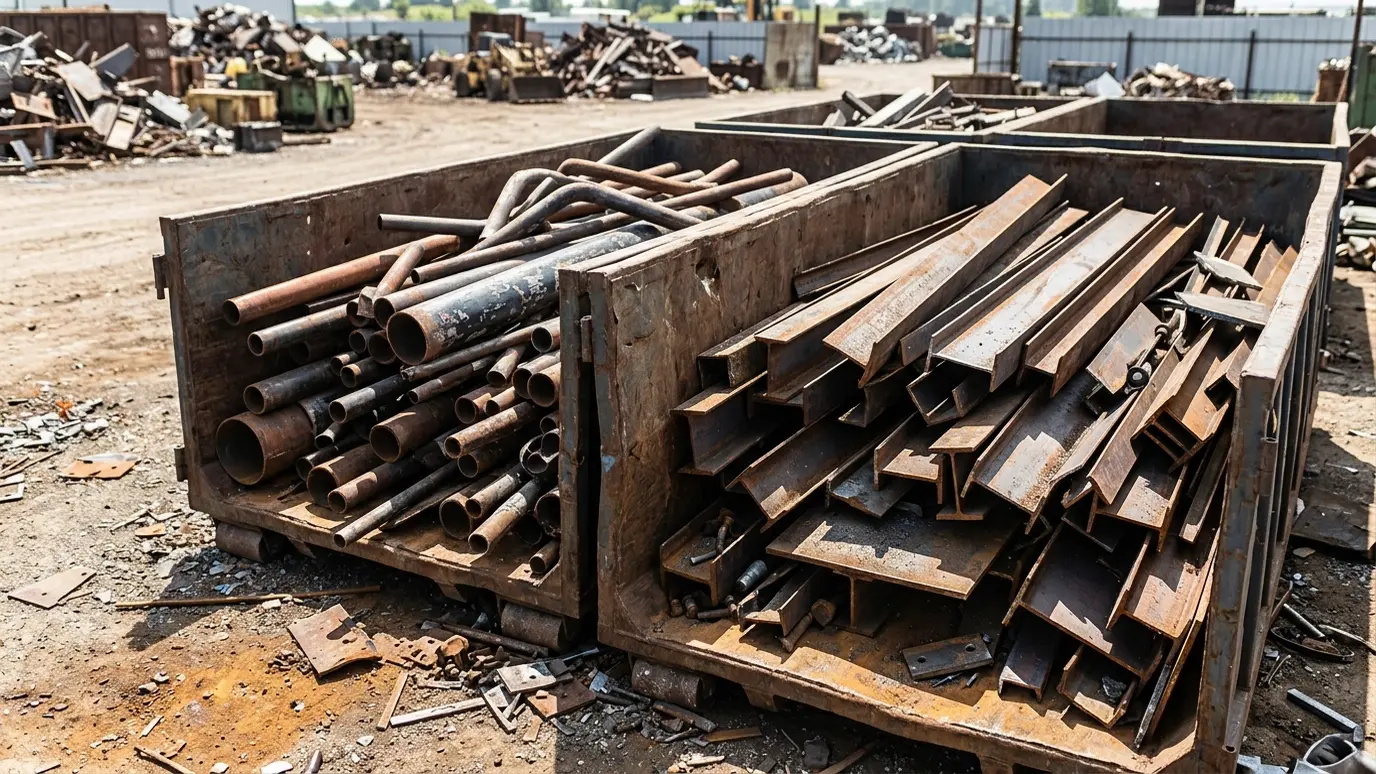 Material guideMetal and SteelSteel beams, pipes, wire and sheet metal are the most valuable things in a demolition. Here is how…Learn more
Call us and we will walk the site and give you a clear plan and a written scope.