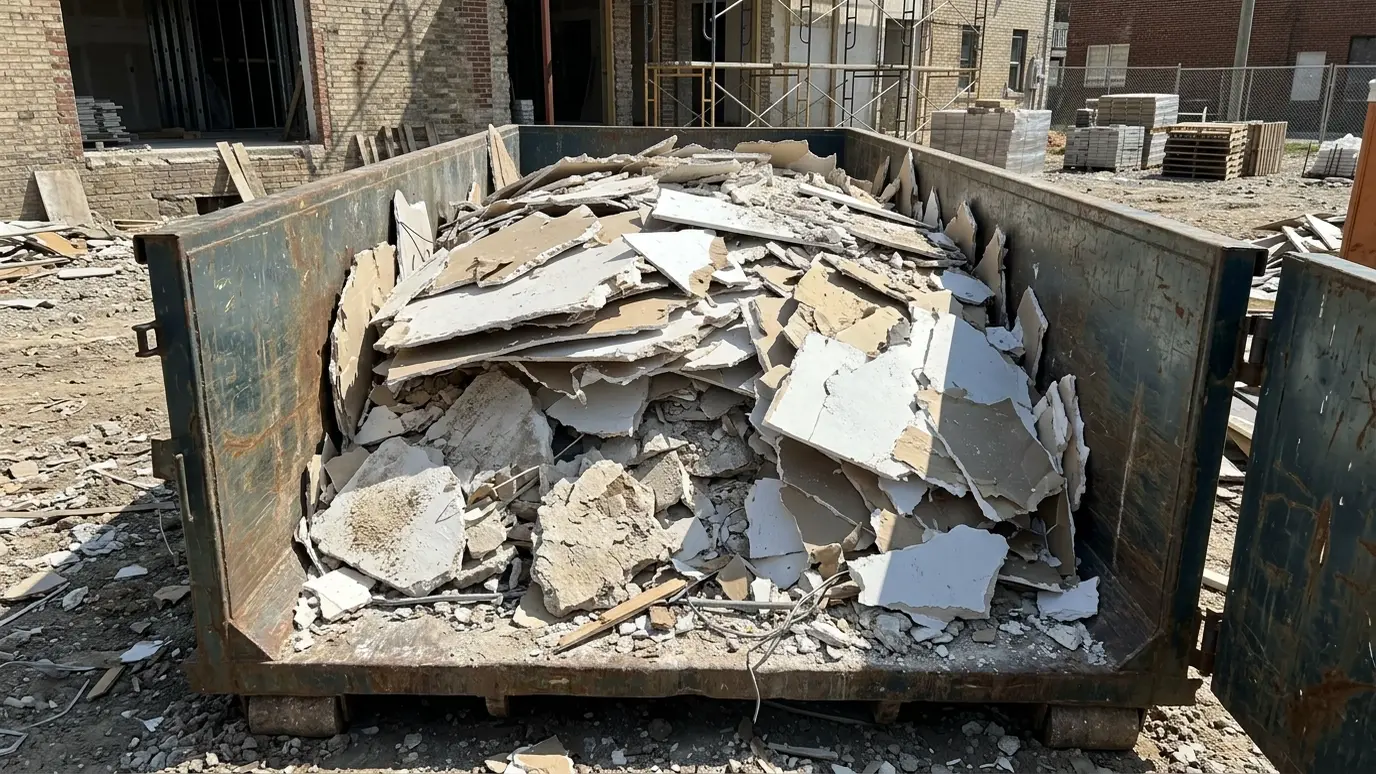
Drywall is light and dusty. Plaster is heavy and dusty. Here is how each comes down and what to know about older walls.
Most interior walls in Tennessee are drywall, a layer of gypsum between paper, and in older homes they are plaster over wood lath. Drywall comes off in panels and is light but fills dumpsters fast. Plaster is hard, heavy and releases a lot of fine dust.
Gypsum drywall can be recycled in some places, and plaster is typically disposed of. Both need dust control, and old plaster, joint compound and paint may contain asbestos or lead, which is why testing comes first in older buildings.
Fills space, not weight.
Plan hauling by weight.
Barriers and clean-as-you-go.
Asbestos and lead awareness.
Where facilities accept it.
Nails and staples pulled.
Plan your debris, check your readiness or ballpark a budget.
 Demolition Debris and Dumpster CalculatorPick the project and size to see the debris in cubic yards, the tons and the dumpsters or truckloads to plan for.Try it
 Demolition Readiness ChecklistCheck off the steps you have done to see how ready your project is and what to do next.Try it
 Demolition Project Budget PlannerPick a project and a size and get a ballpark planning range.Try it
In some places yes. We check local options.
It is thick and dense, and lath and nails add weight.
It can be irritating, and old materials may be hazardous. We control dust and recommend testing.
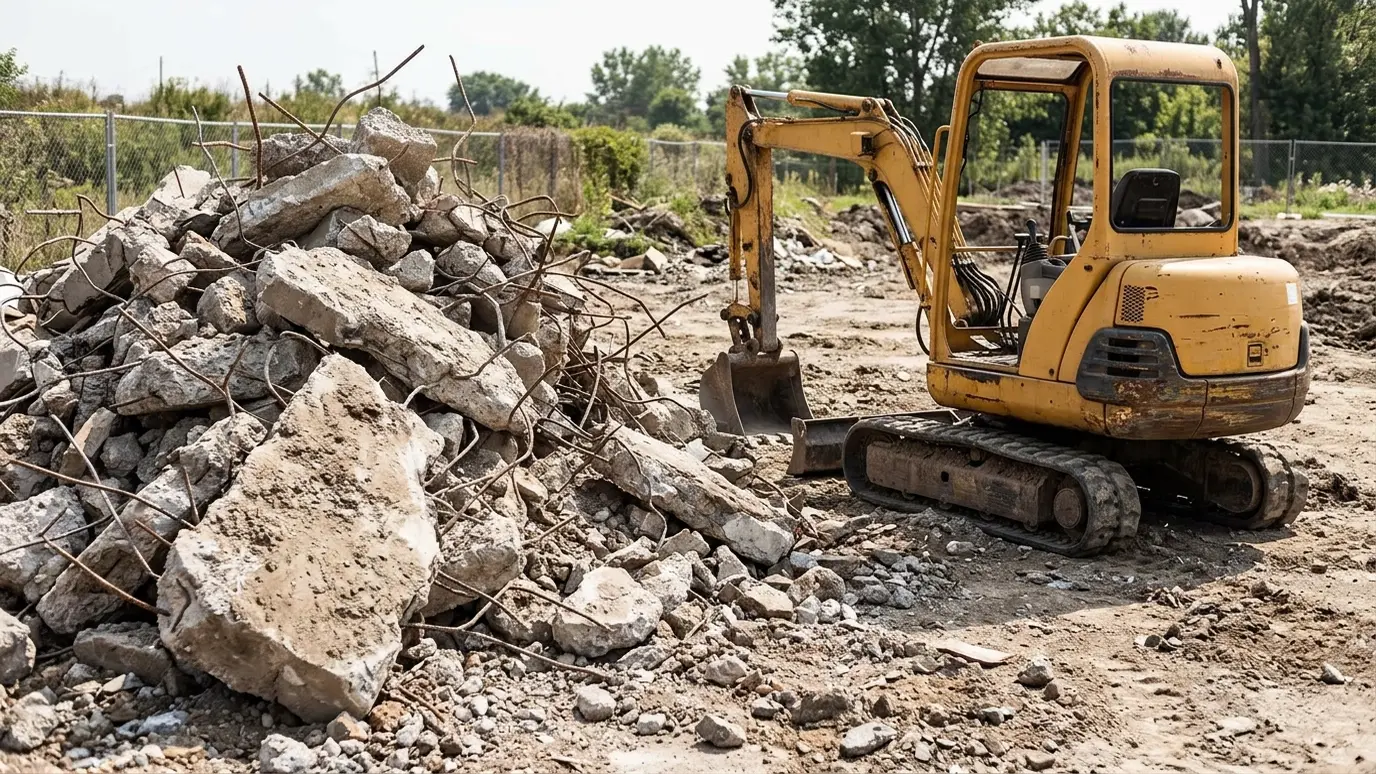 Material guideConcreteThe heaviest thing on most demolition jobs. Here is how concrete is removed, how much it weighs and…Learn more
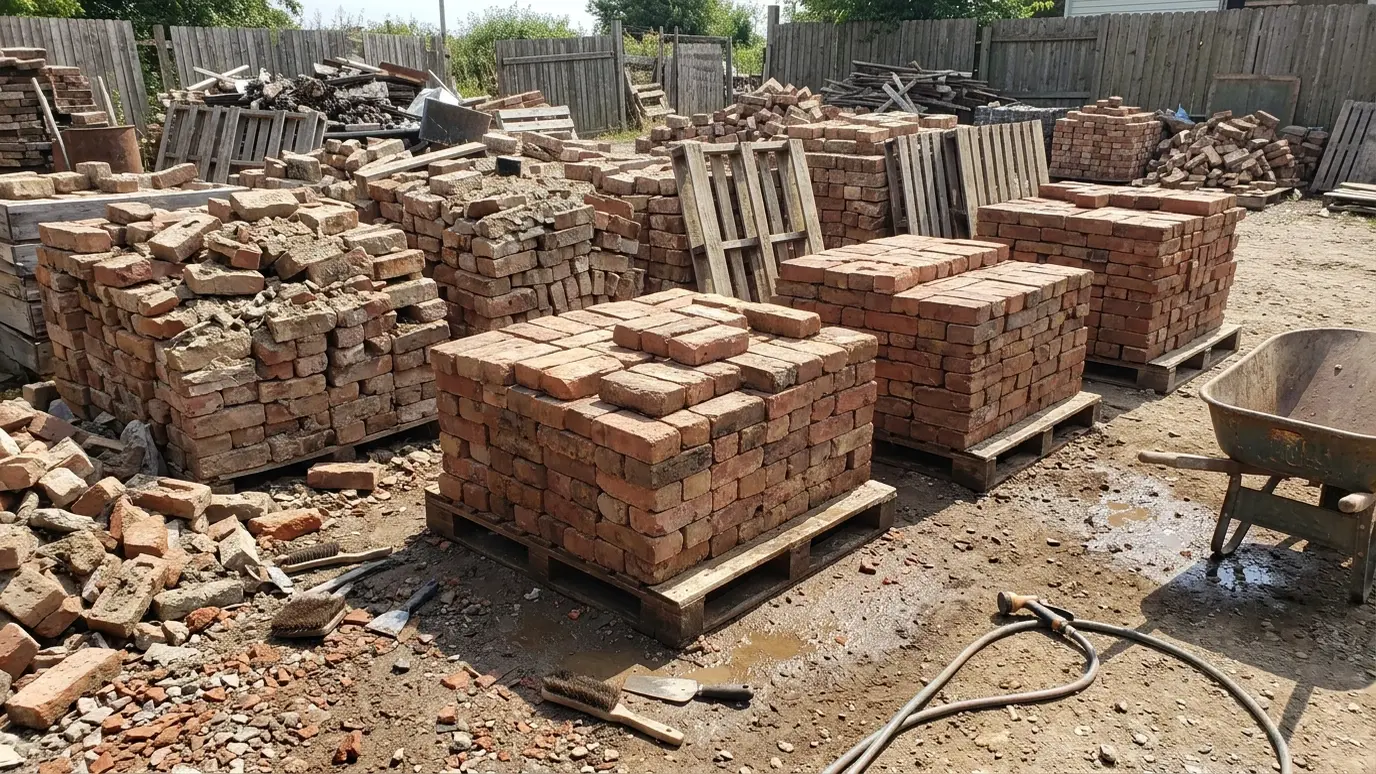 Material guideBrick and MasonryOld brick, block and stone walls are strong, heavy and sometimes valuable. Here is how masonry comes down…Learn more
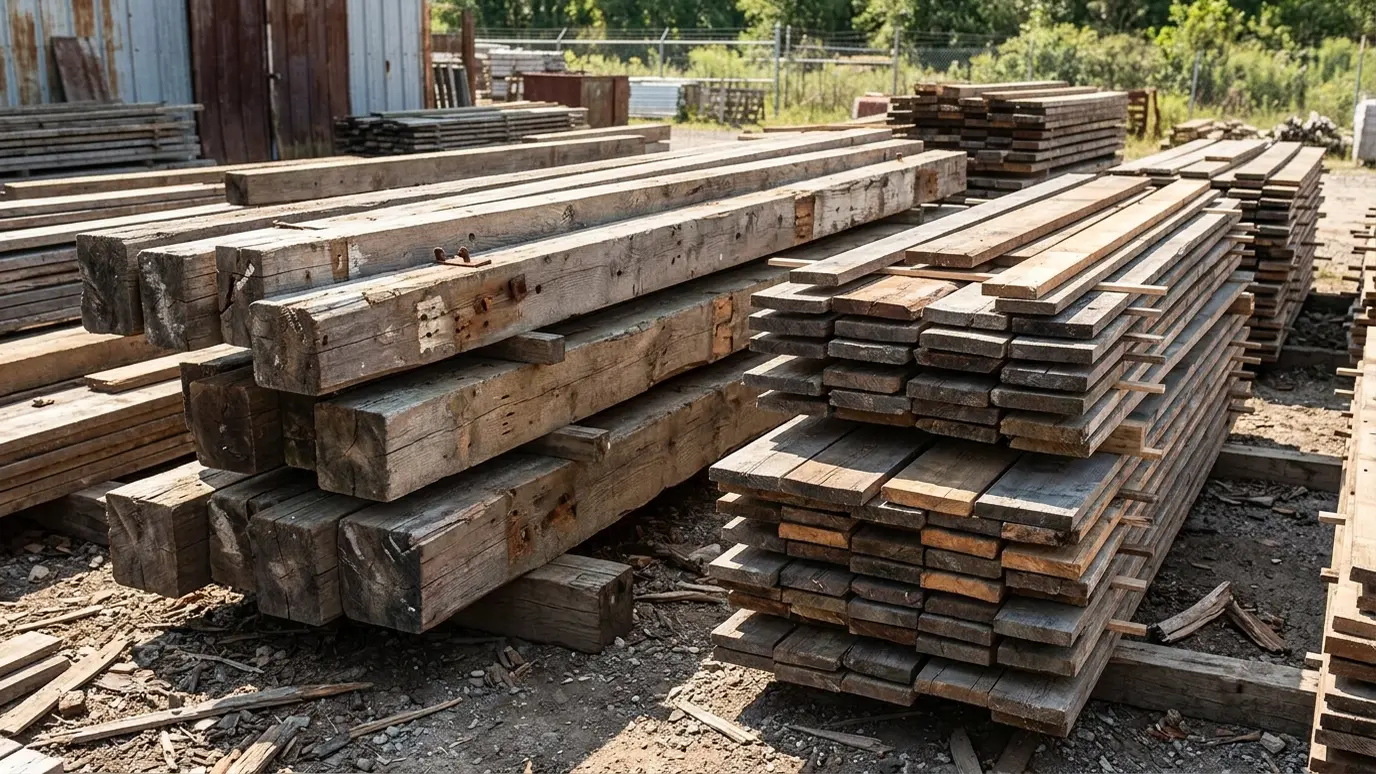 Material guideWood FramingLumber and timber make up most of a house. Here is what happens to wood framing, which pieces…Learn more
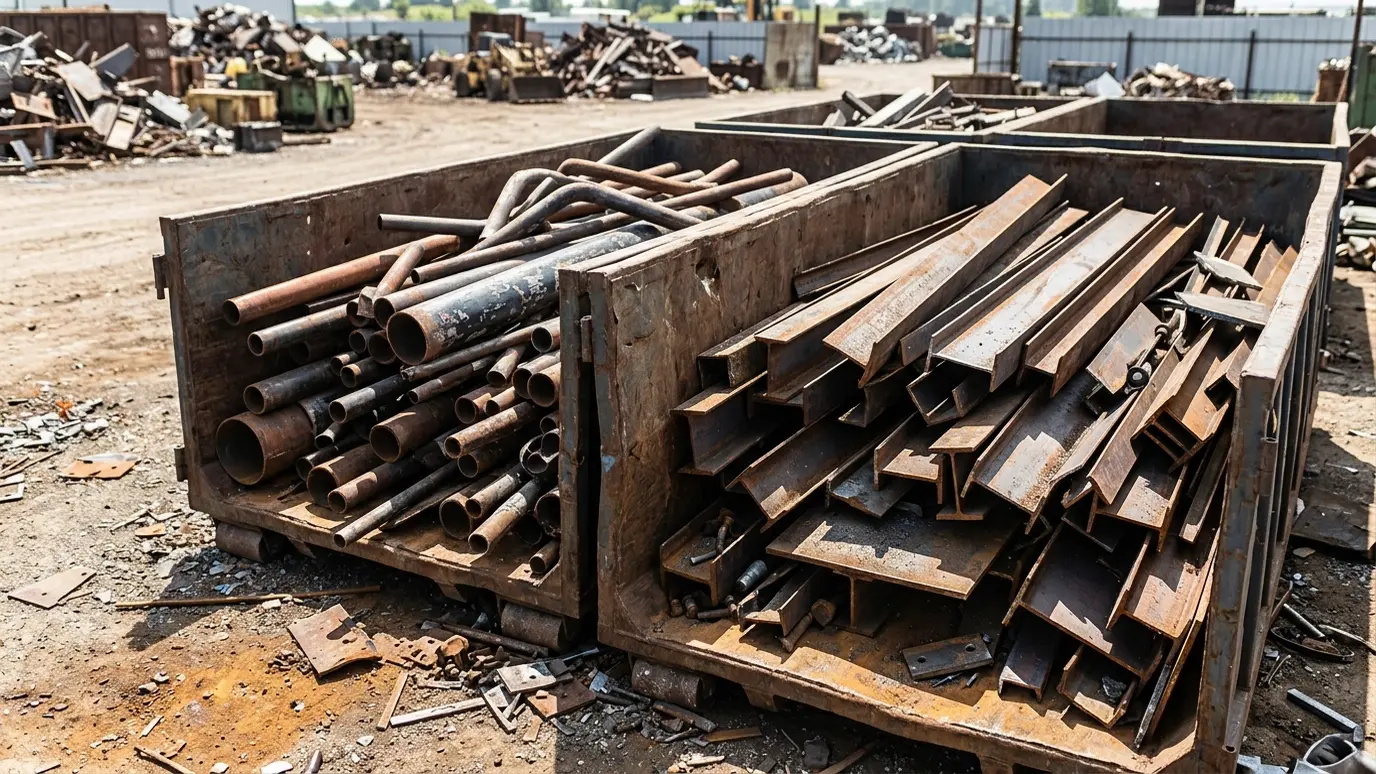 Material guideMetal and SteelSteel beams, pipes, wire and sheet metal are the most valuable things in a demolition. Here is how…Learn more
Call us and we will walk the site and give you a clear plan and a written scope.