Size and structure type
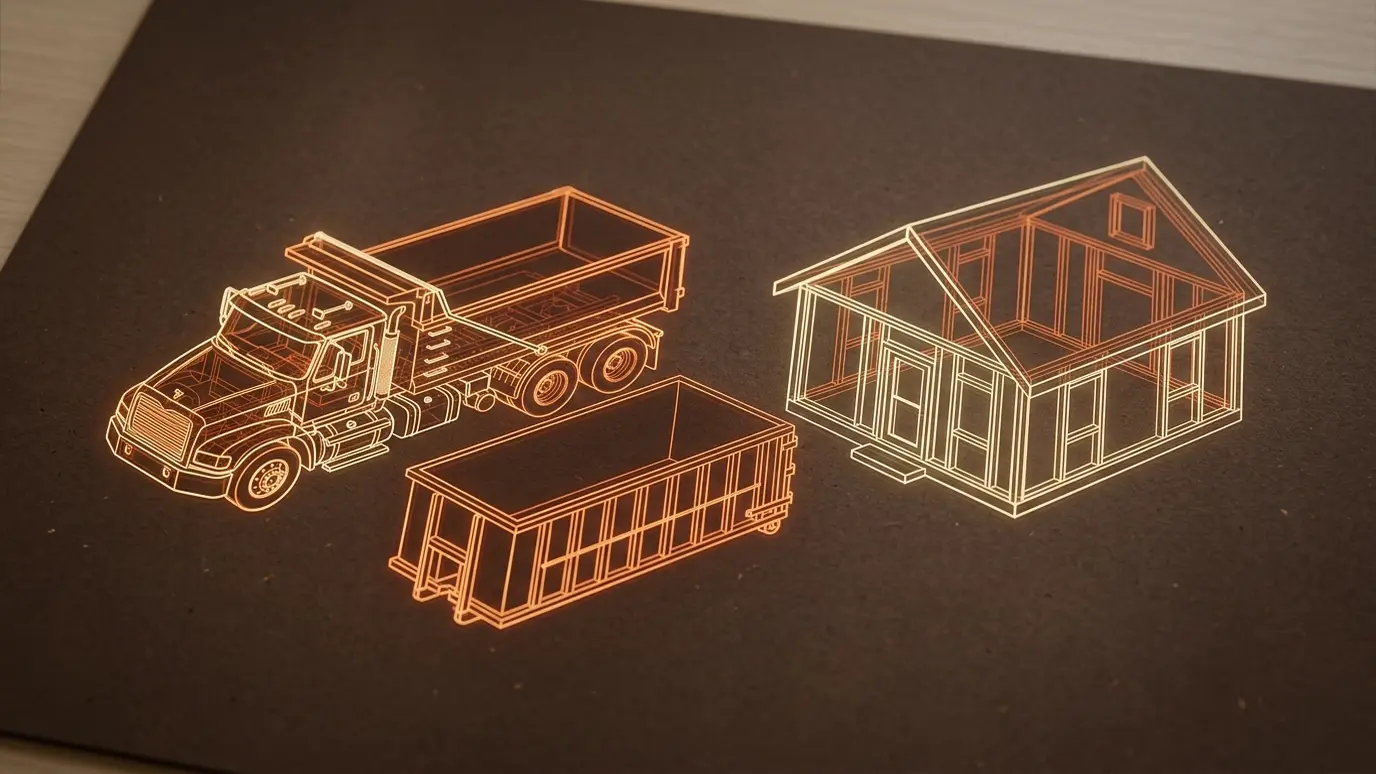
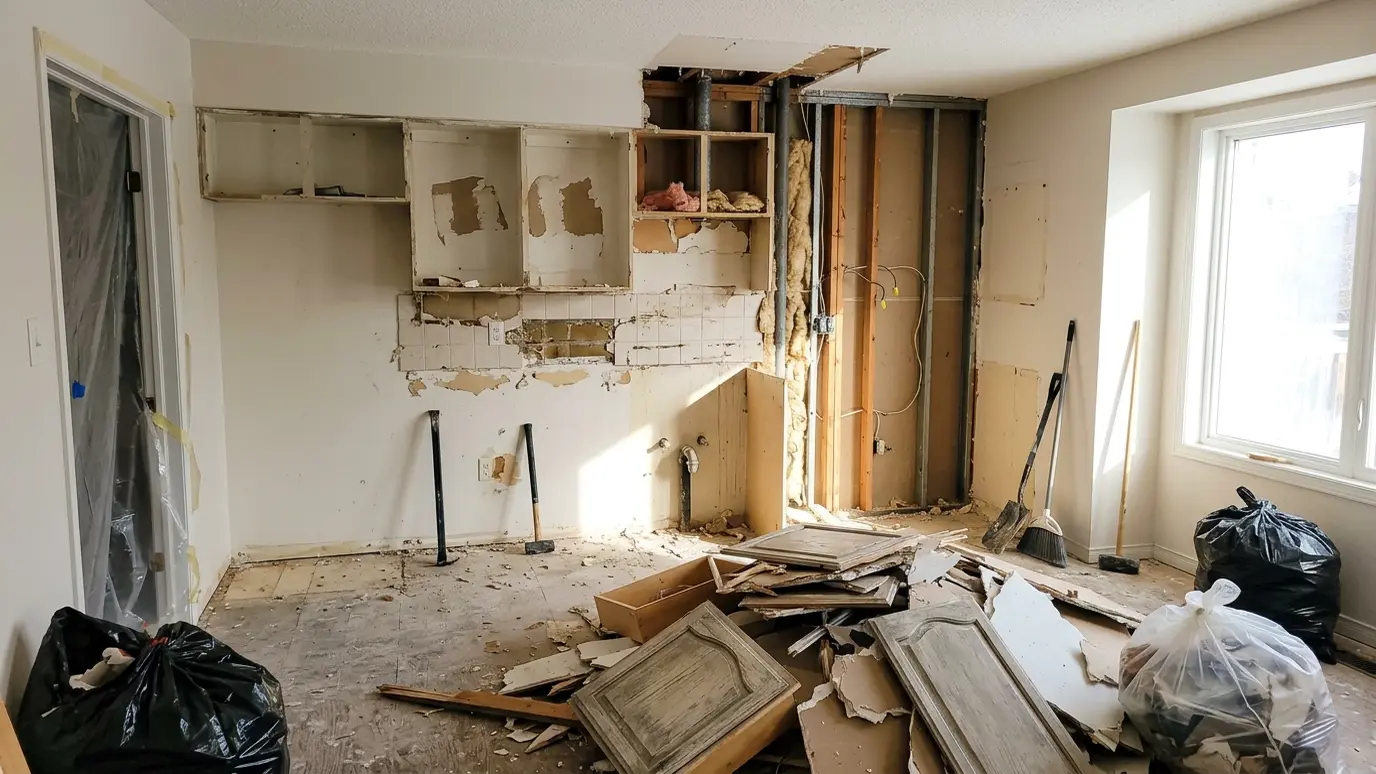
A small shed, a kitchen and a two-story house are very different jobs. Square footage, height, construction type and what is attached all change the work.
Ask each contractor to state exactly what is included so you can compare like with like.
Materials and weight
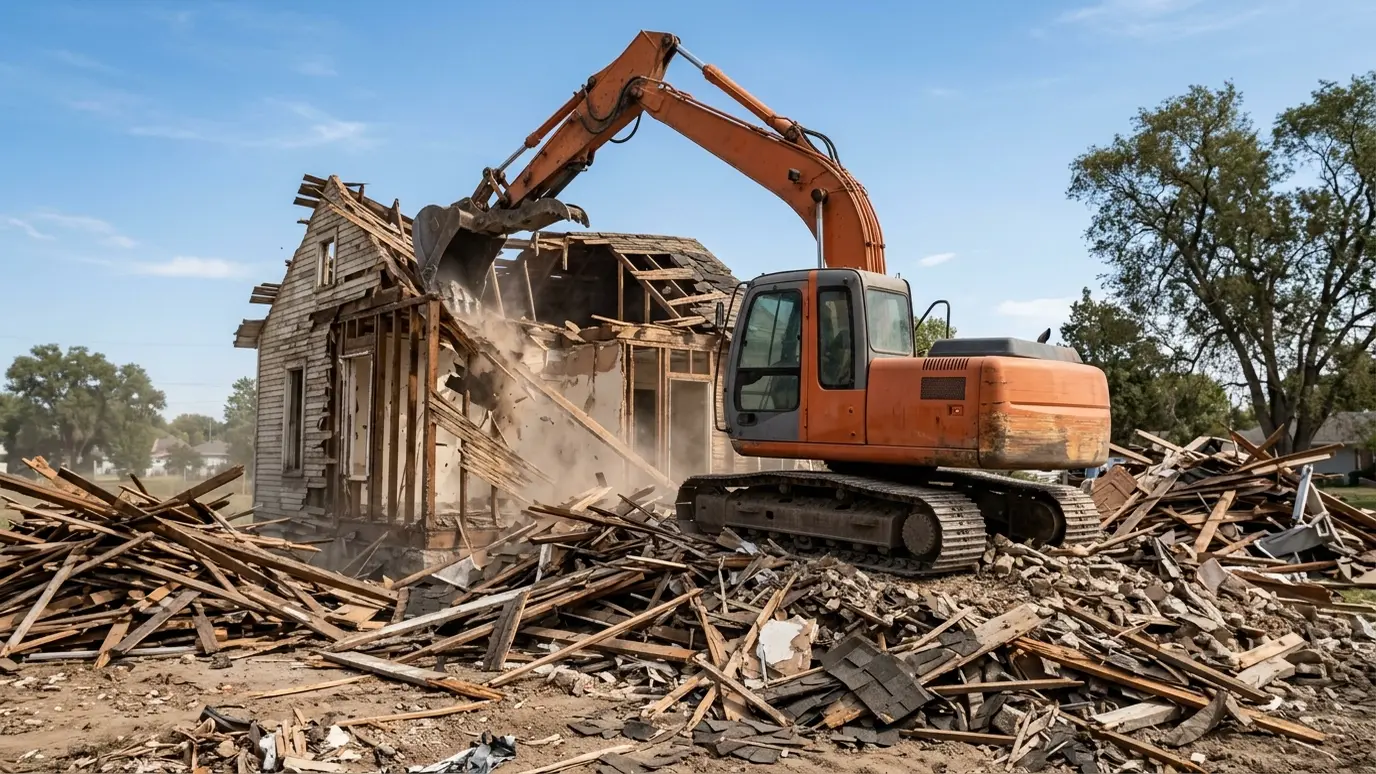
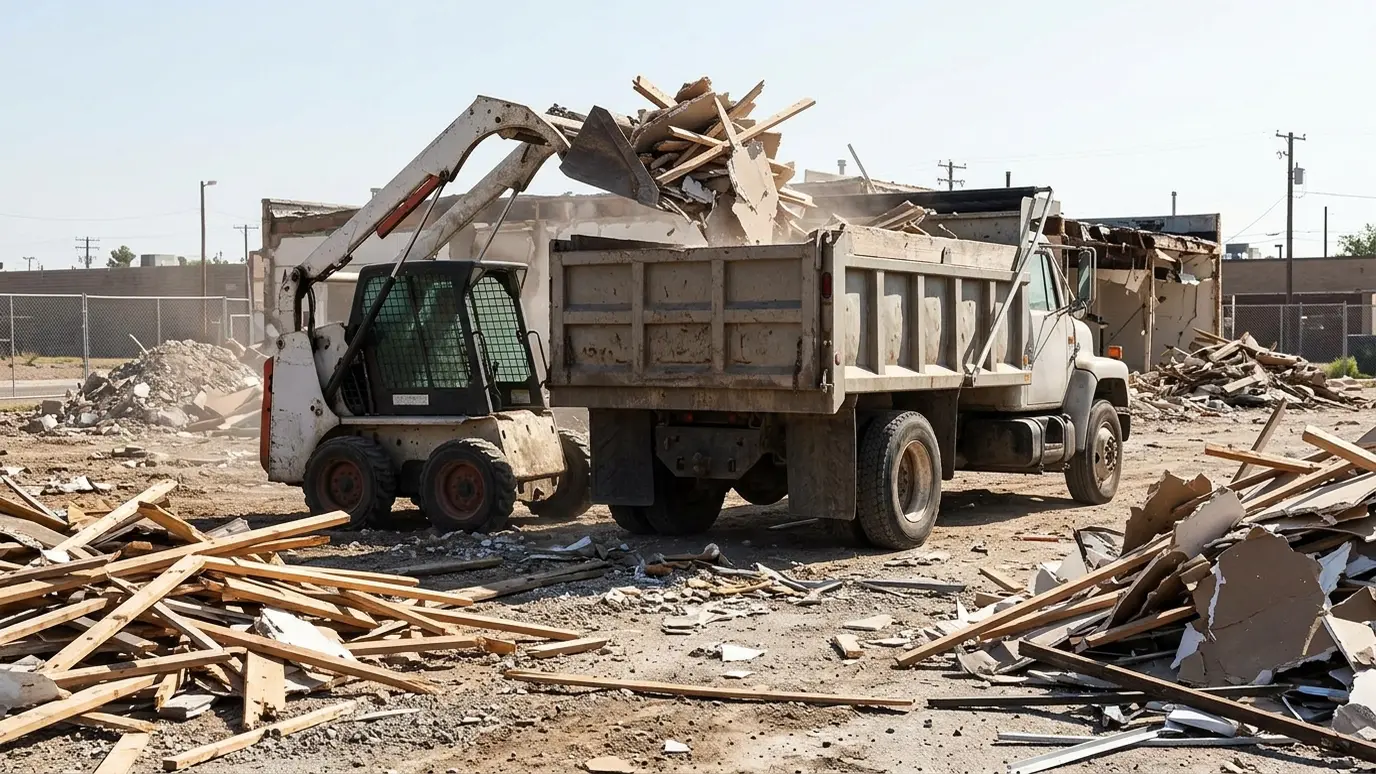
Wood framing is light, while concrete, brick and stone are heavy. Heavy material costs more to haul and dispose of, and mixed debris costs more than sorted loads.
Recycling and salvage can lower costs, so ask how each quote handles them.
Access and site conditions
Tight lots, steep slopes, overhead lines, trees and soft ground limit equipment and add labor. Easy access lowers cost.
A good proposal notes the access it assumes.
Hazards and surveys
Asbestos and lead testing and abatement are separate costs that protect everyone. They also affect the schedule.
Skipping them to lower the price is not a saving, because it creates legal and health risks.
Permits, utilities and site work
Permits, utility disconnects, erosion controls, backfill and grading all belong in the scope. Some quotes leave them out and add them later.
Ask for a written list of what is and is not included.
How to compare quotes
Compare scopes, not totals: what is removed, what happens to the foundation, who handles permits and hauling and how the lot is left.
A clear, itemized proposal is a good sign of an organized contractor.
Compare written scopes, insist that hazards, permits and site finish are included and plan for what is hiding in the walls and the ground.