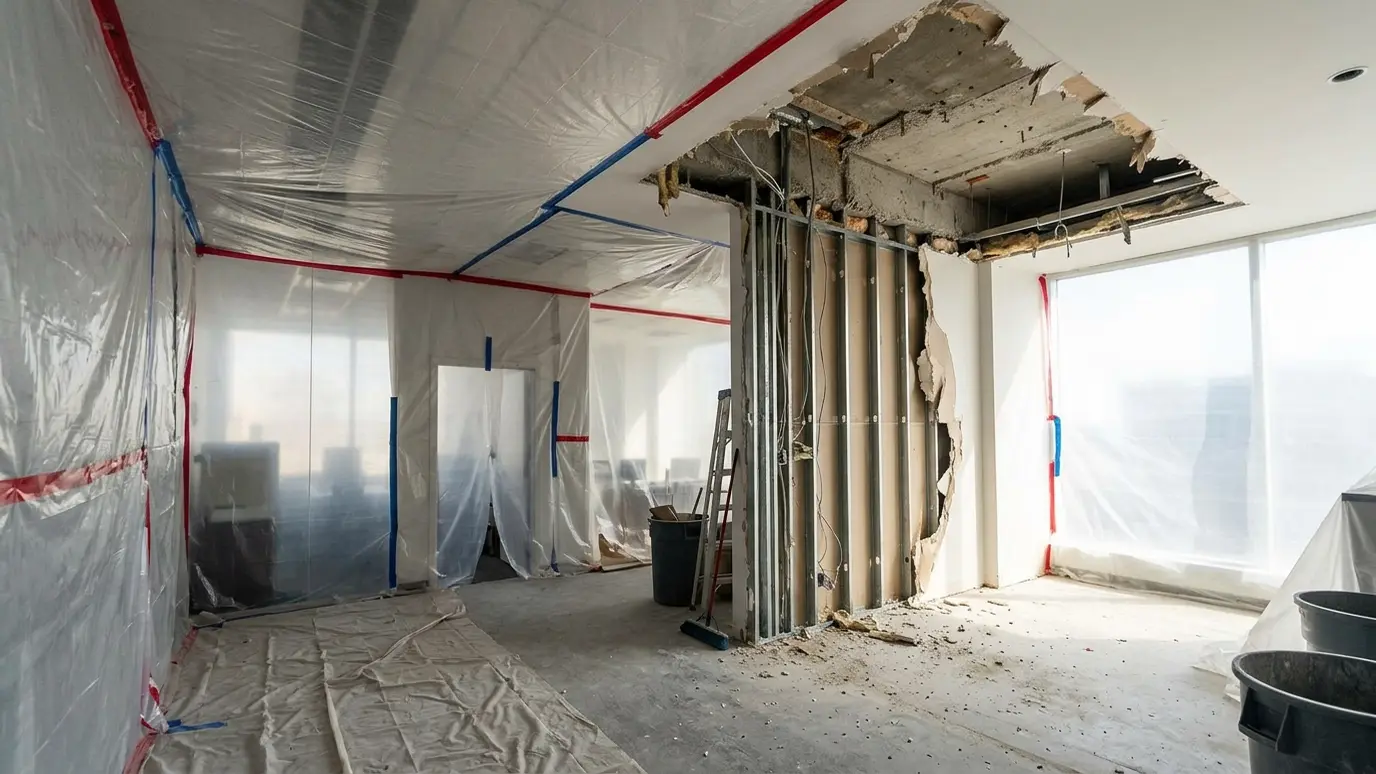
Precise removal of specific walls, floors, ceilings and systems while the rest of the building stays protected and in service.
Selective demolition is the art of taking out exactly what you want and nothing more. It is how churches, offices, schools and homes get renovated without losing the parts worth keeping. A cut that is a few inches off, or a vibration that cracks a neighboring wall, can cost far more than the demolition itself.
We study the drawings and the building, mark every cut line with the architect or owner and protect everything that stays with plastic, plywood and temporary barriers. We use saws, hand tools and small equipment to limit vibration and dust. We remove walls, floors, ceilings, stairs or openings in the planned order and leave clean edges for the next trade.
We mark cut lines on the structure with the owner or design team. A clear line avoids guesswork and costly mistakes.
Finishes, floors, historic details and equipment near the work get temporary protection before the first cut.
Wet saws, hand tools and small machines reduce vibration and dust inside occupied or sensitive buildings.
Removing floors or walls may require shoring. We install temporary supports as the engineer specifies.
Drag the handle to compare.
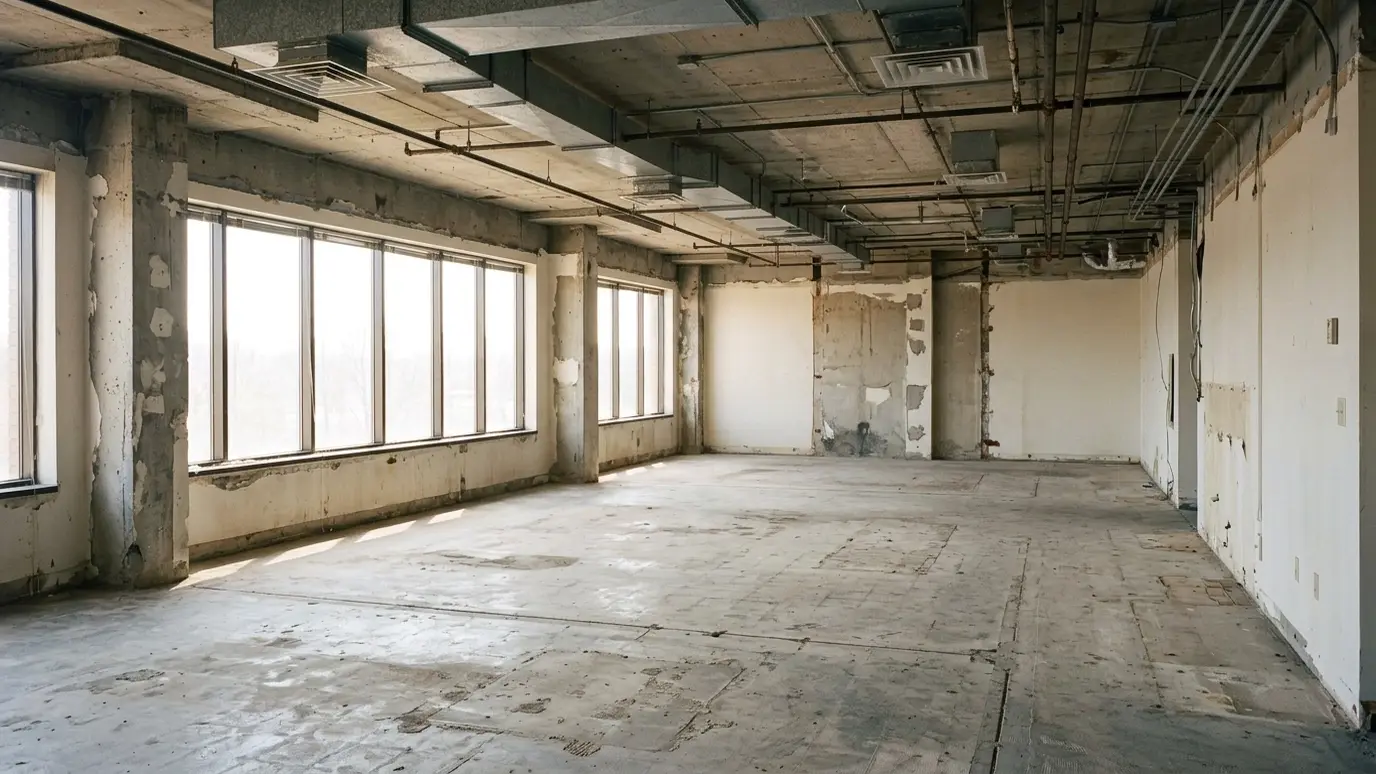
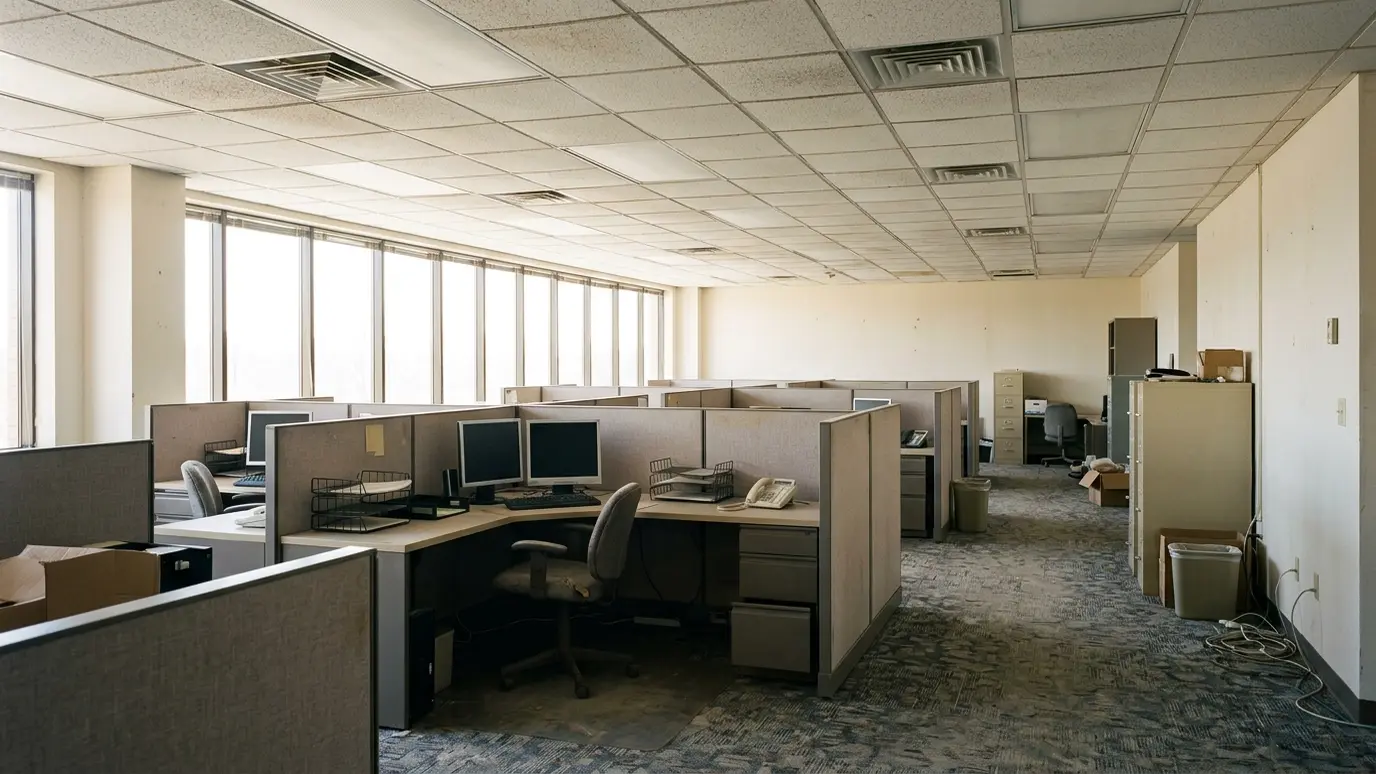 BeforeAfter
Cut lines marked and followed.
Plastic, plywood and barriers.
Saws and small equipment.
Supports set as specified.
Containment and clean-as-you-go.
Ready for the next trade.
Every topic has its own page with what to expect and how we approach it.
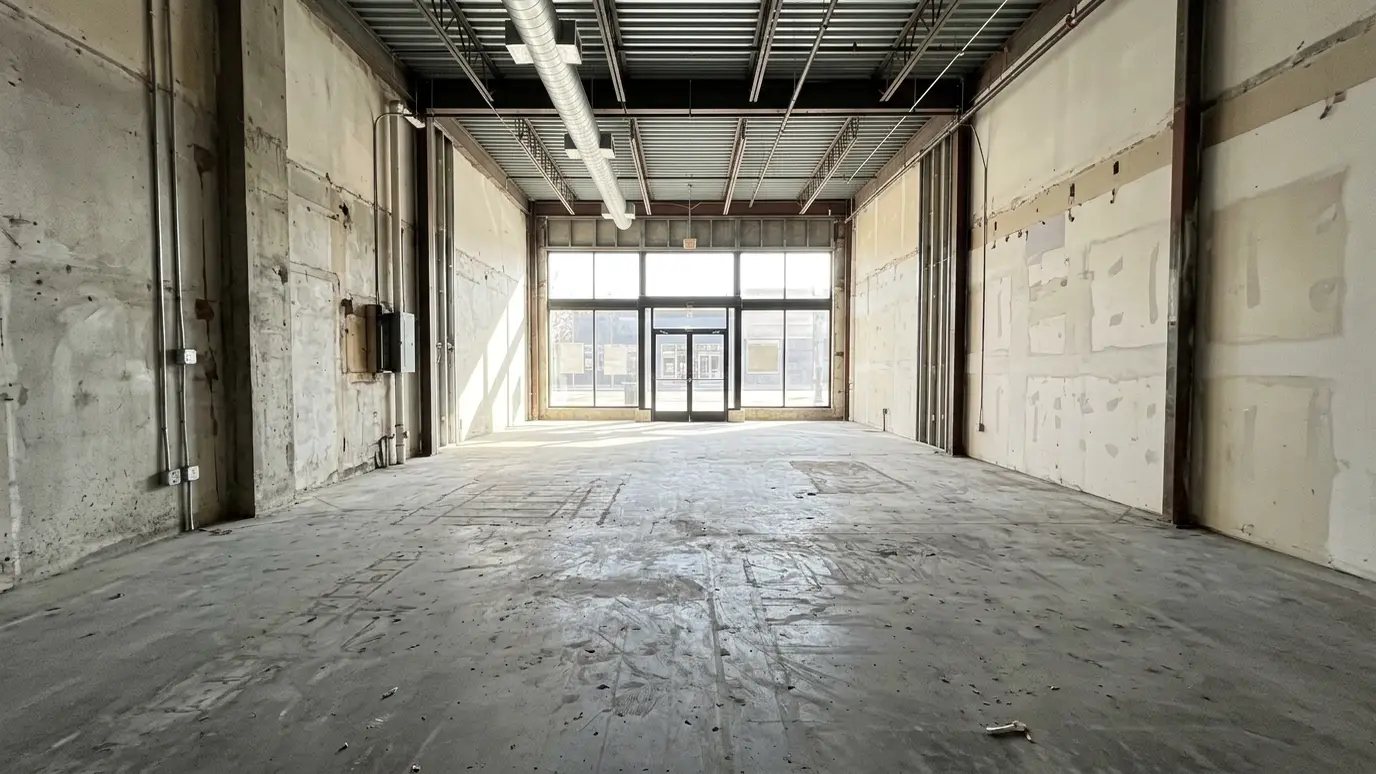 Project situationCommercial Build-OutsA new tenant means a new space. Here is how commercial demolition prepares restaurants, shops and offices for…Learn more
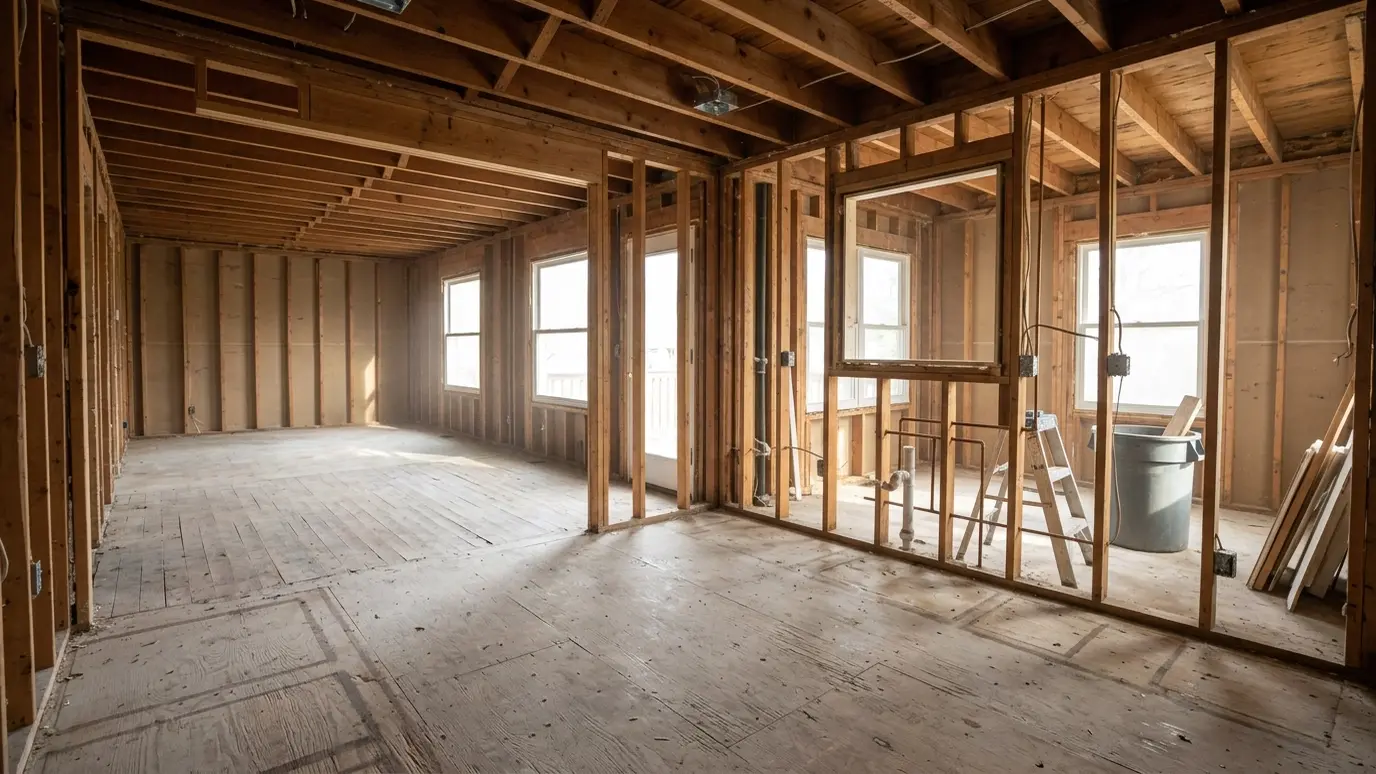 Project situationRemodel PrepEvery remodel starts with demolition. Here is how to plan the tear-out so the rebuild starts clean, on…Learn more
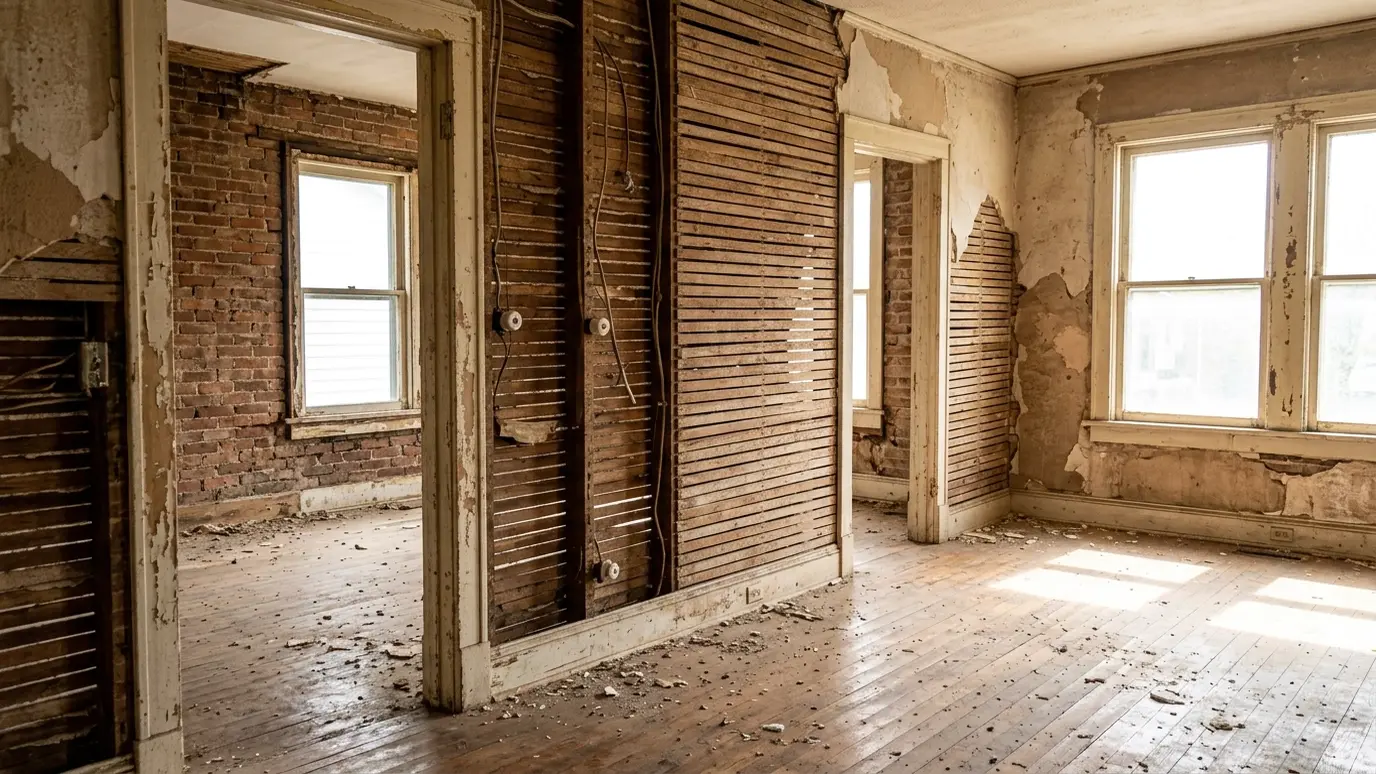 Project situationOlder HomesOlder homes hide plaster, lath, old wiring and sometimes hazardous materials. Here is how to take them apart…Learn more
Pick the project and size to see the debris in cubic yards, the tons and the dumpsters or truckloads to plan for.
You tell us about the project, the timeline and any concerns, and we set a time to visit that fits your day.
We walk the structure and the lot, check access, utilities and likely hazards and take photos and measurements.
We prepare the written scope, coordinate permits, surveys and utility disconnects and set up fencing and dust control.
The work proceeds in a planned order with water on dust and materials sorted for recycling.
Debris is loaded and hauled away on schedule, and the site is swept and kept tidy.
We grade the lot, sweep for nails and debris, take photos and walk the finished work with you.
Removing specific parts of a building while preserving the rest. It requires planning, protection and precision.
Yes, with containment, dust control and low-vibration methods.
For structural changes, yes. We follow the plans and install the temporary supports specified.
Yes. We protect historic features and follow the guidance of your architect.
We use hand tools and small equipment where possible and schedule noisy tasks at agreed times.
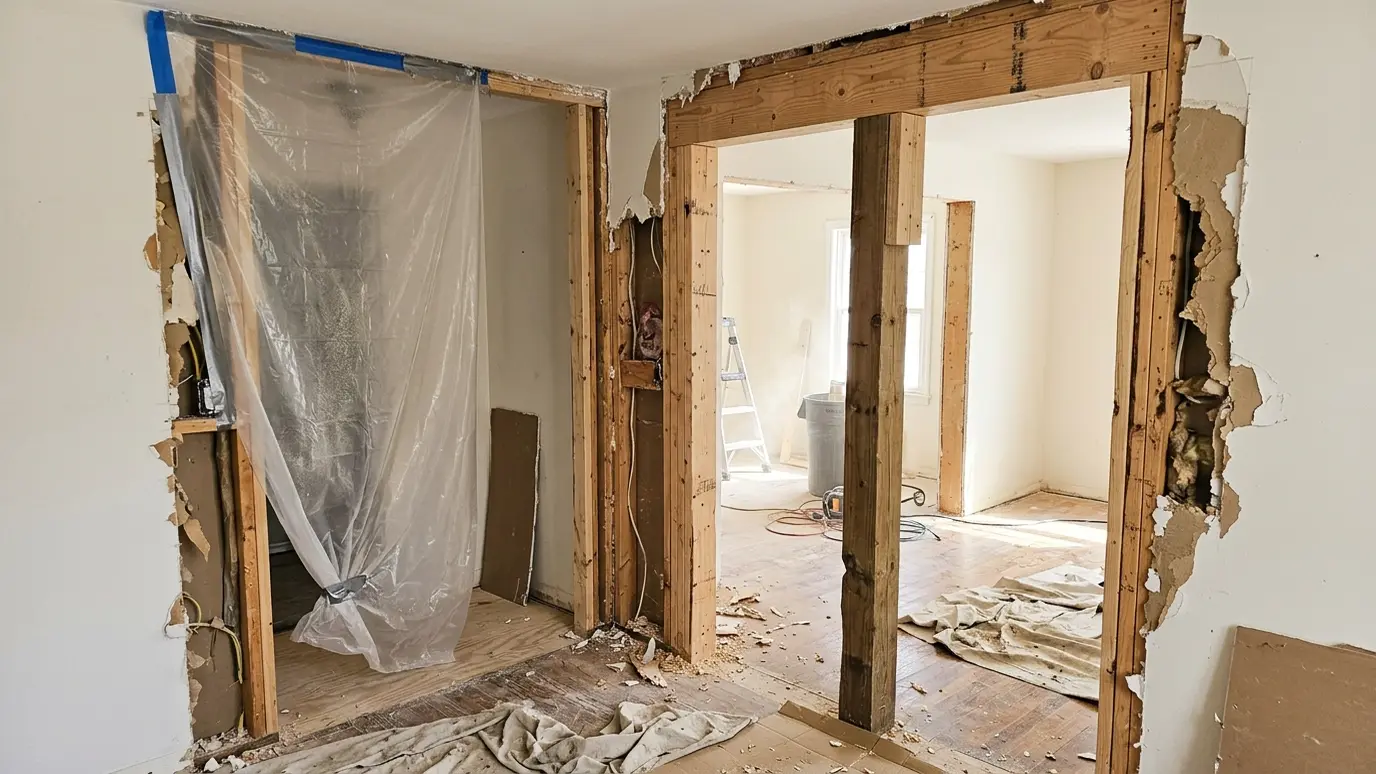 Wall and Opening DemolitionNon-load-bearing walls removed and new openings cut cleanly, with dust control and clean framing for an open, bright…Explore
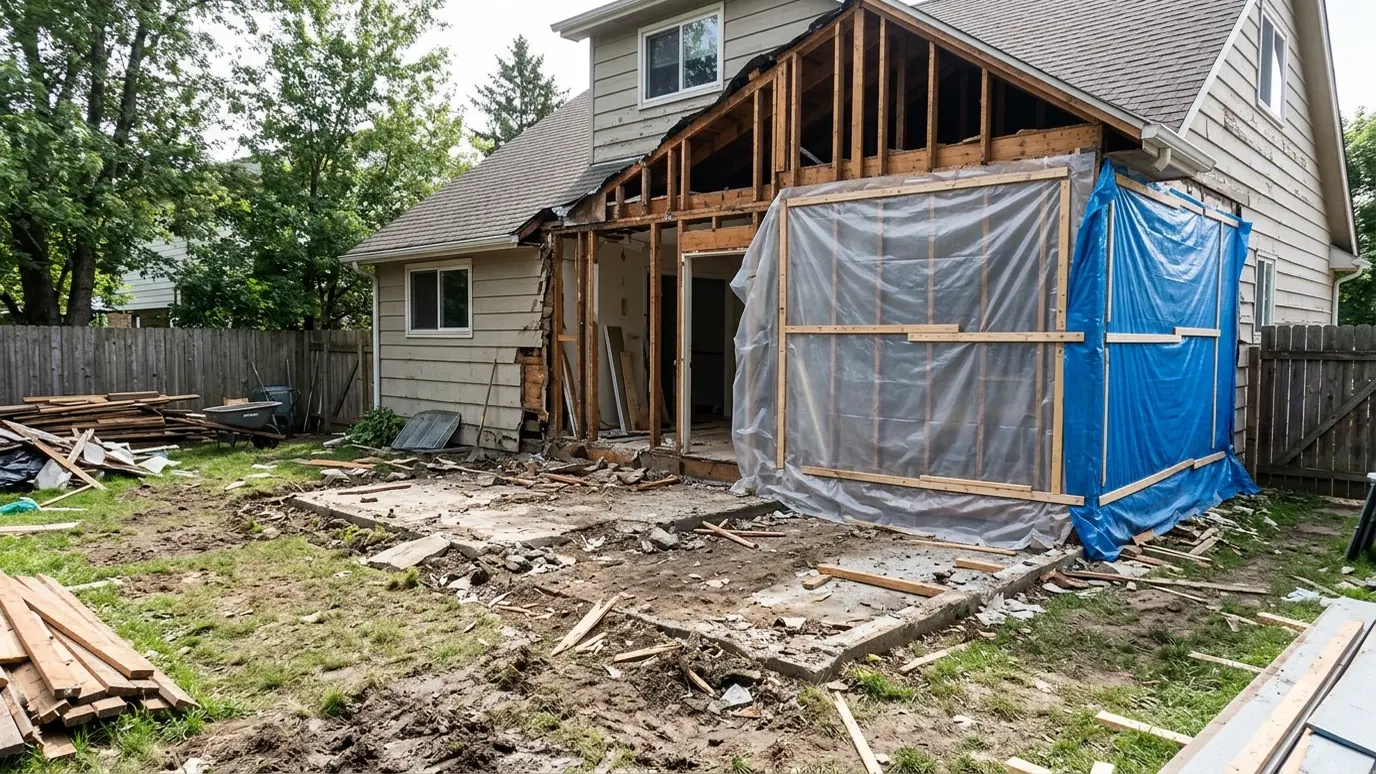 Partial and Addition DemolitionAdditions, sunrooms, wings and sections of a house removed while the rest of the home stays protected, weathertight…Explore
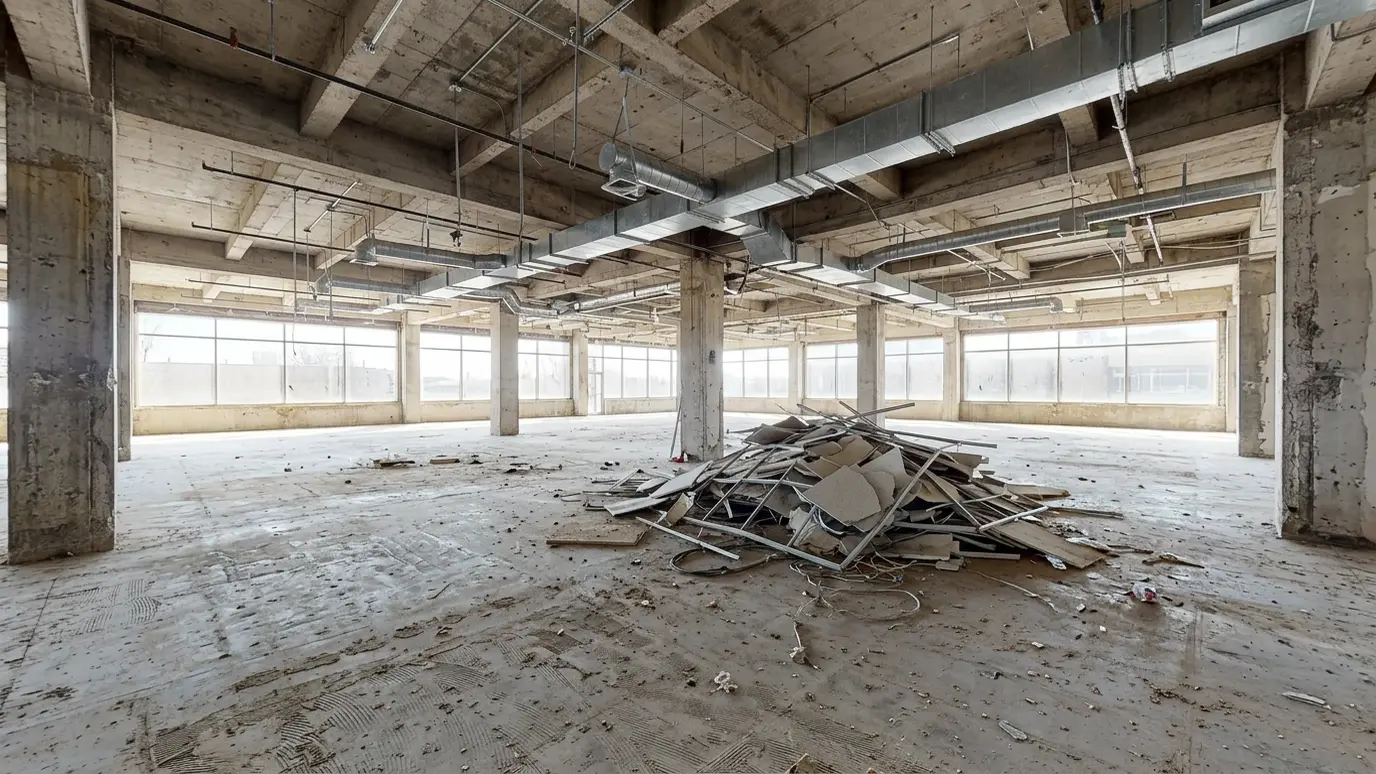 Commercial Interior Strip-OutCeilings, partitions, flooring, fixtures and systems removed from commercial interiors, leaving a clean shell for the next tenant.Explore
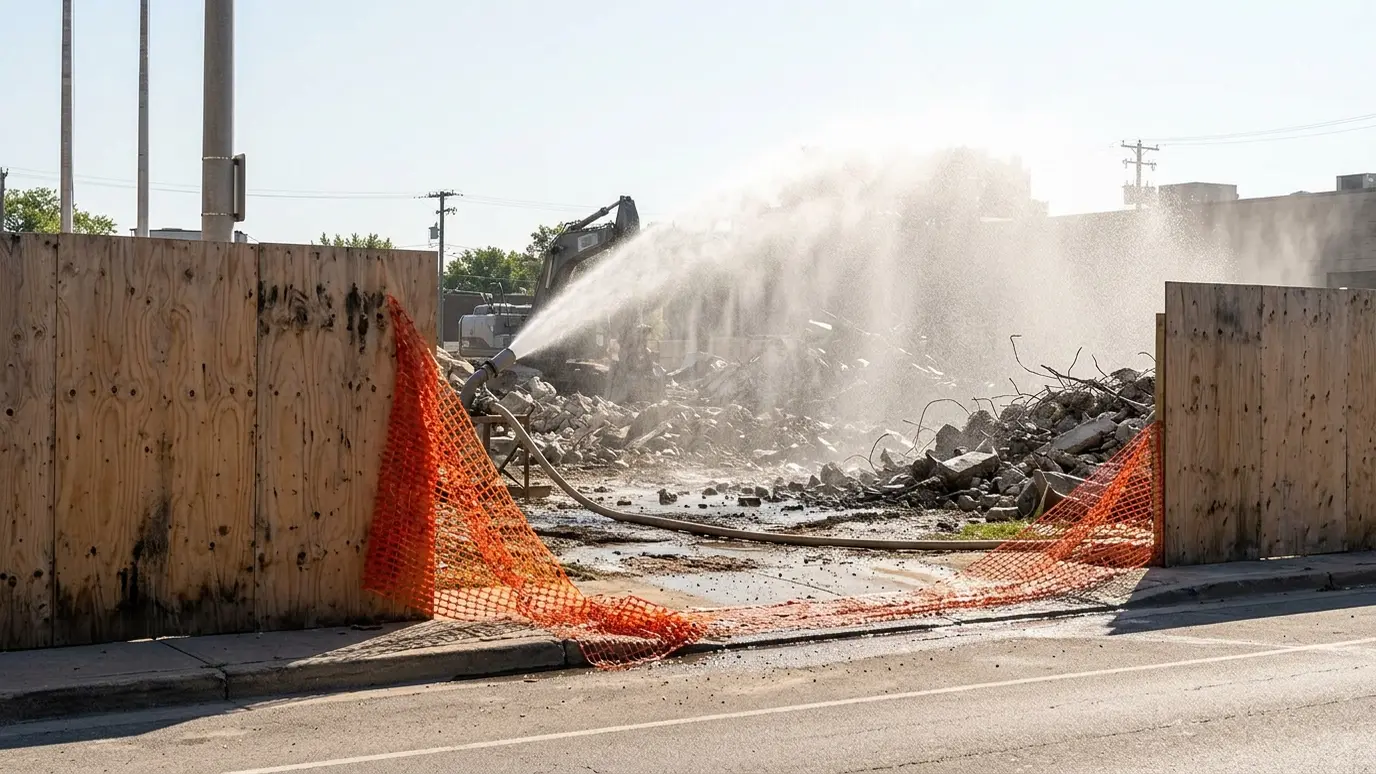 Dust, Noise and Neighbor ProtectionWater, fencing, barriers, planned hours and clear communication that keep demolition from becoming a problem for the people…Explore
Tell us about the project and we will call you back to talk it through.
Or call (615) 357-7797 to talk now.