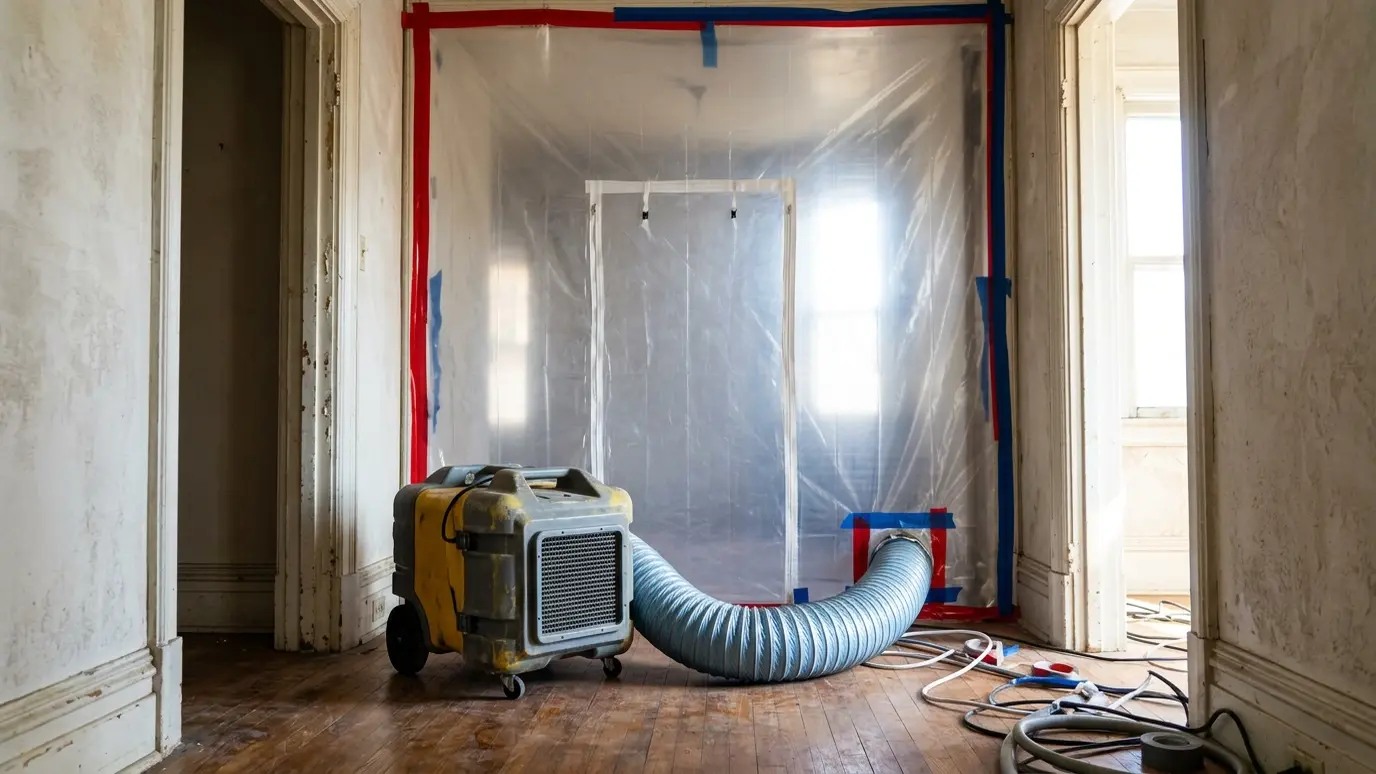
Testing and abatement of asbestos, lead and other hazards arranged with qualified specialists before demolition begins.
Older buildings can contain materials that are dangerous when disturbed. Asbestos was used in flooring, insulation, roofing, joint compound and pipe wrap through much of the twentieth century, and lead paint was common in homes built before it was banned for residential use in 1978. Demolition is exactly the kind of work that releases them.
We do not perform abatement ourselves. We help you take the right steps in the right order: we recommend a survey by a qualified inspector, review the results with you, coordinate with qualified abatement specialists when needed and schedule demolition after hazardous materials are properly removed. This protects your family, your crew, your neighbors and your project schedule.
Many demolition jurisdictions require an inspection before work begins. A survey identifies materials so they can be handled before they become airborne.
Floor tile and adhesive, pipe wrap, roofing, siding, plaster, joint compound, popcorn texture and insulation are common asbestos-containing materials in older buildings.
Homes built before 1978 may have lead paint. Demolition dust and debris require care, and testing helps plan correctly.
Qualified abatement contractors remove regulated materials under strict rules. We coordinate timing so demolition follows right after clearance.
Drag the handle to compare.
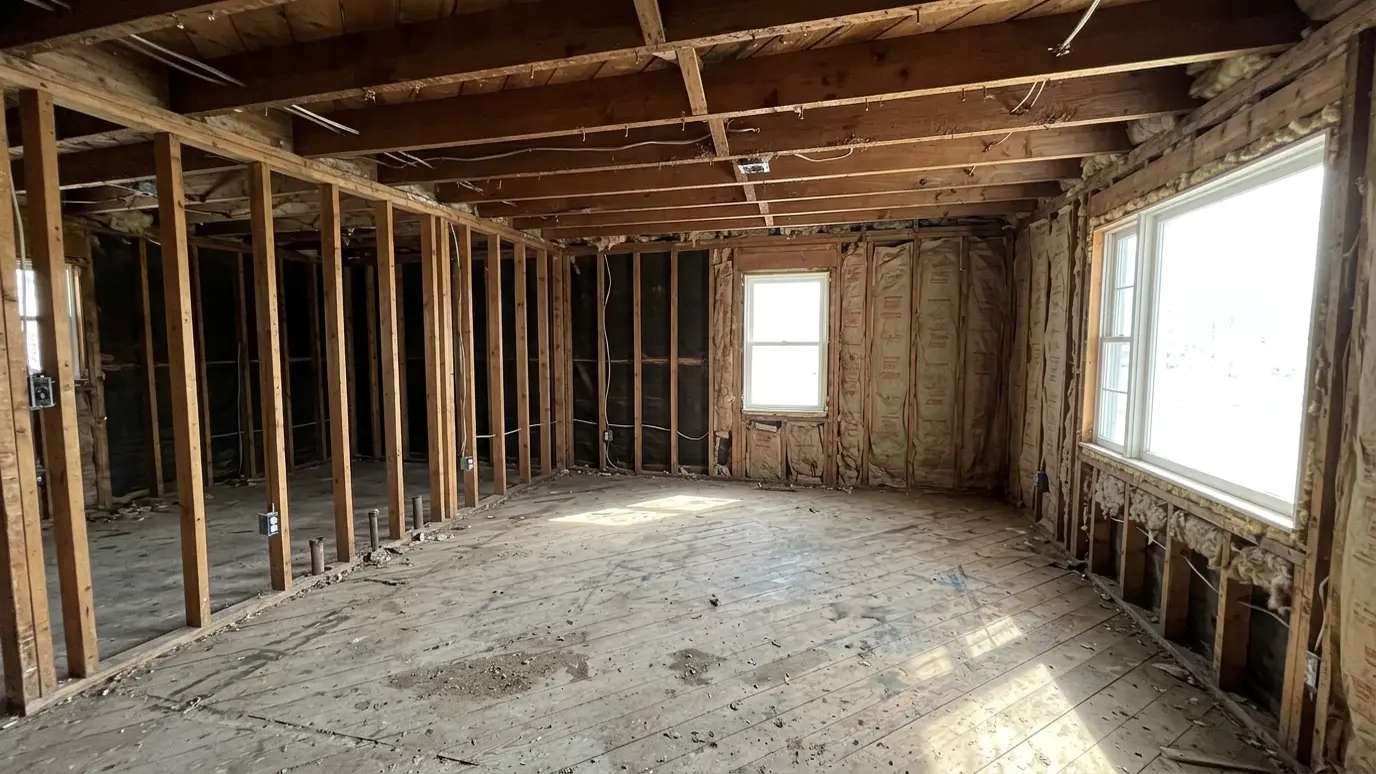
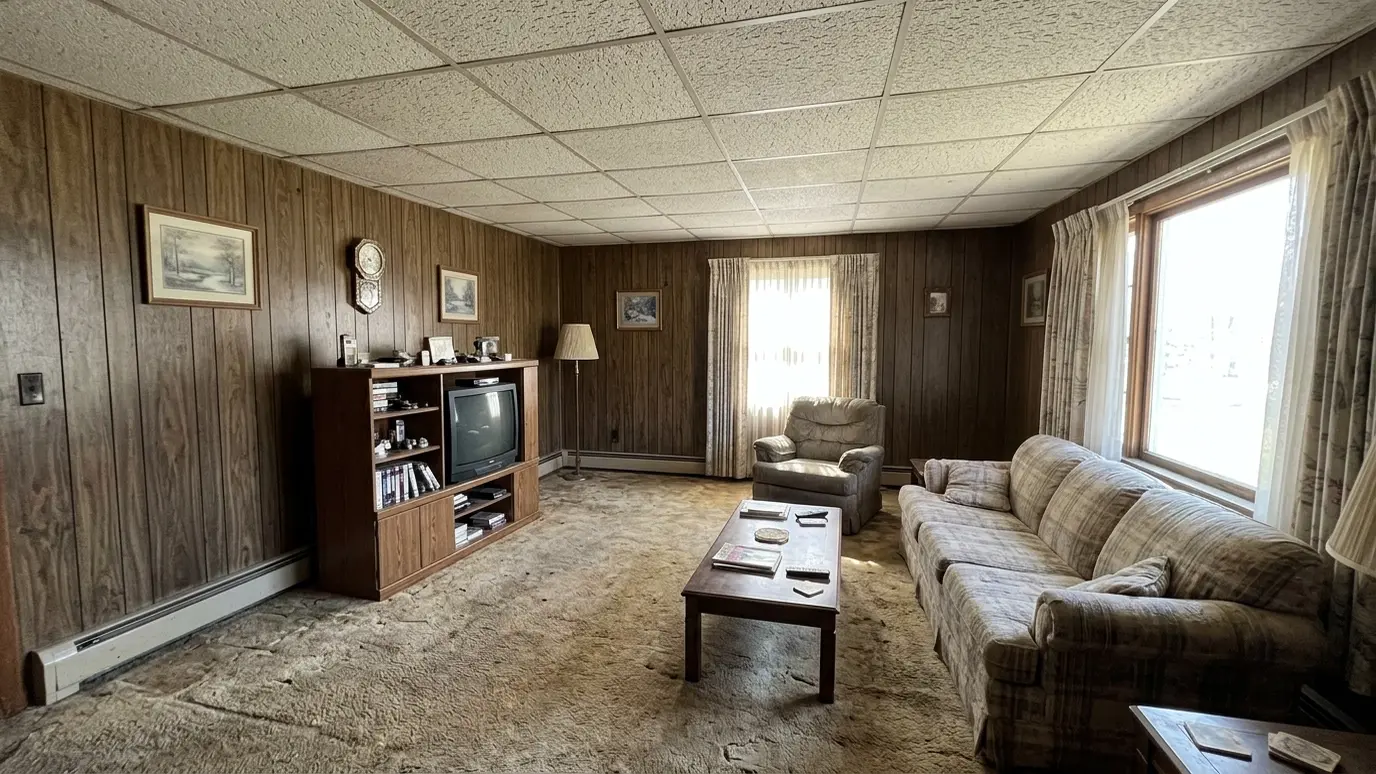 BeforeAfter
We help you find a qualified inspector.
Results reviewed with you.
Abatement and demolition timed together.
Abatement by qualified contractors.
Reports and clearances kept on file.
Hazards handled first.
Every topic has its own page with what to expect and how we approach it.
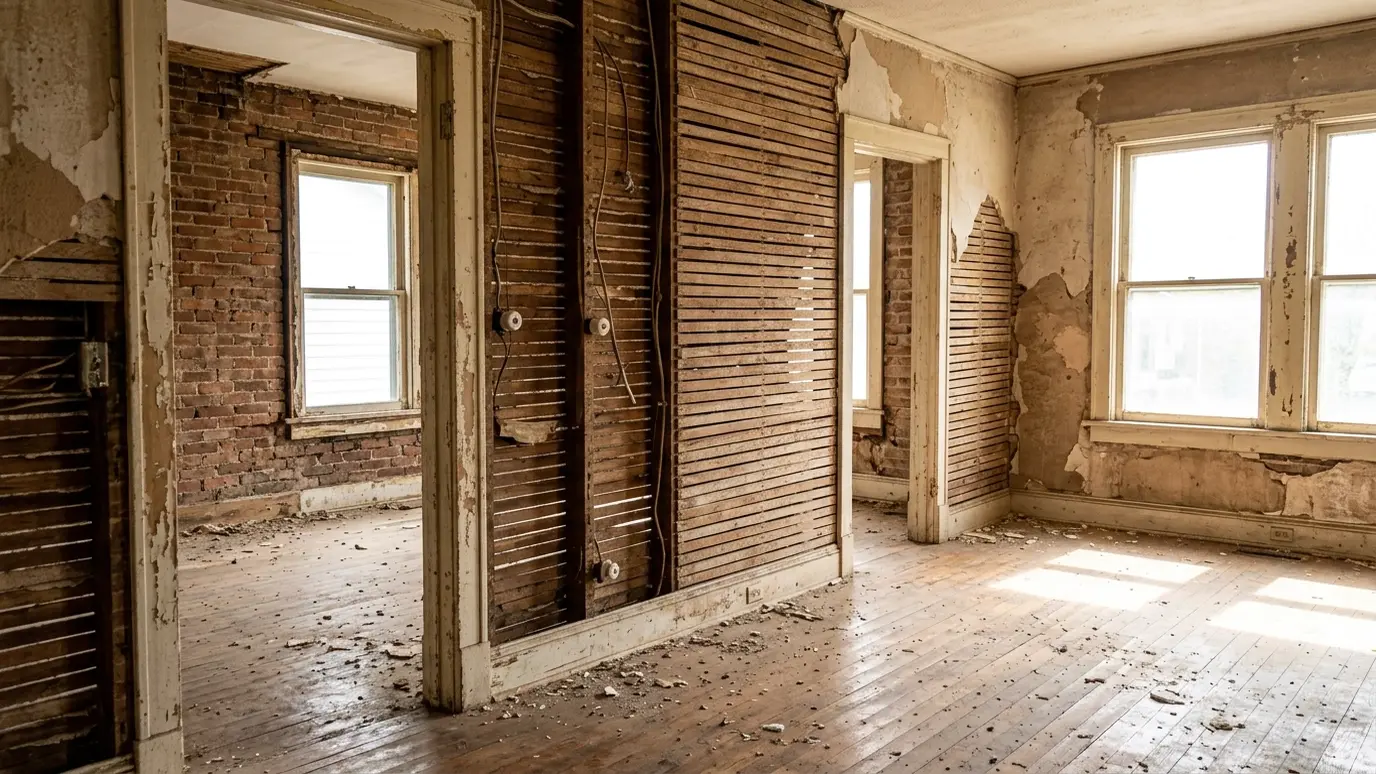 Project situationOlder HomesOlder homes hide plaster, lath, old wiring and sometimes hazardous materials. Here is how to take them apart…Learn more
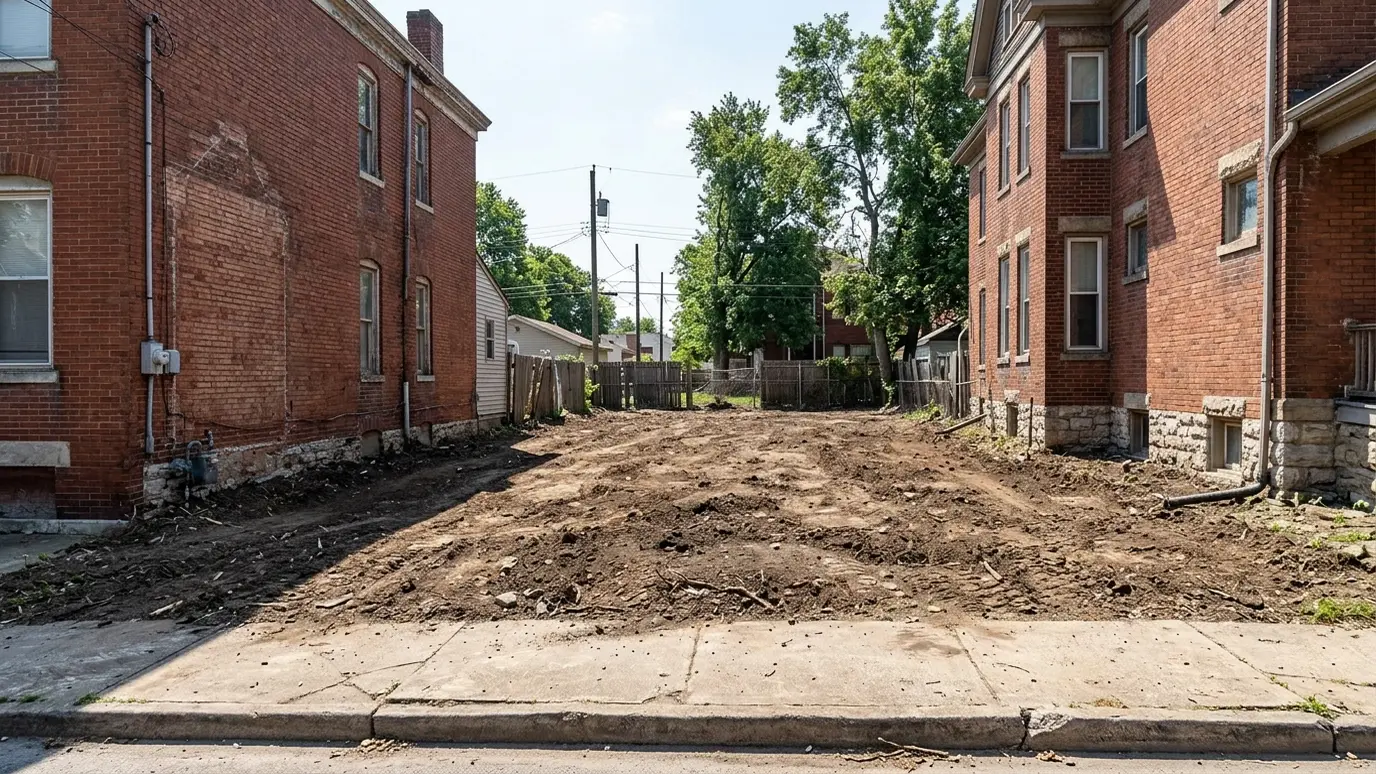 Project situationTear-DownsOlder homes come down on tight Nashville lots every week. Here is what a smooth tear-down looks like…Learn more
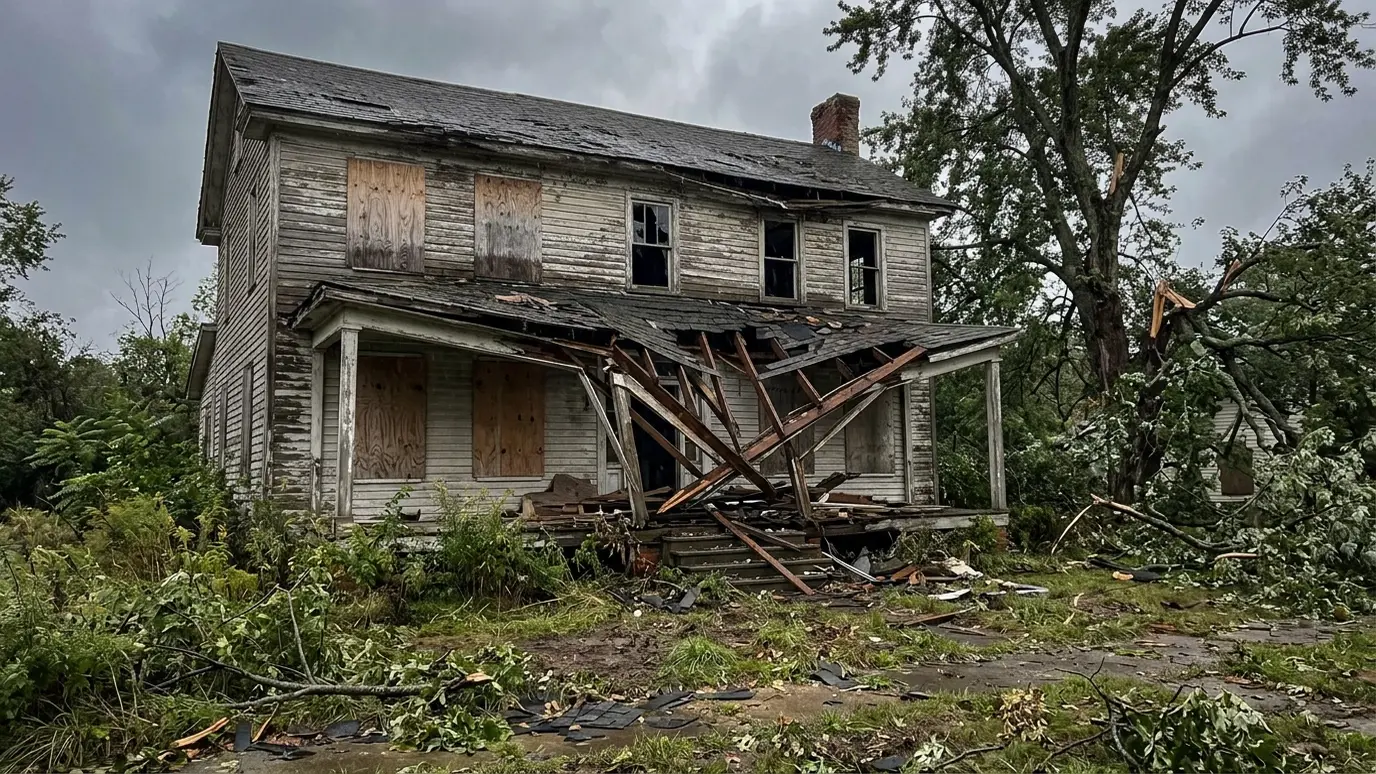 Project situationDamaged StructuresFire, storm, flood and neglect can leave a building unsafe. Here is how to make a damaged structure…Learn more
Enter the year built and the materials you have to see which hazards deserve testing before demolition.
You tell us about the project, the timeline and any concerns, and we set a time to visit that fits your day.
We walk the structure and the lot, check access, utilities and likely hazards and take photos and measurements.
We prepare the written scope, coordinate permits, surveys and utility disconnects and set up fencing and dust control.
The work proceeds in a planned order with water on dust and materials sorted for recycling.
Debris is loaded and hauled away on schedule, and the site is swept and kept tidy.
We grade the lot, sweep for nails and debris, take photos and walk the finished work with you.
Often yes. Many jurisdictions require it, and it protects everyone on the job.
No. Regulated materials must be removed by qualified abatement contractors. We coordinate with them.
The inspection often takes hours, and laboratory results take days.
We help you schedule abatement and plan demolition afterward.
Homes built after the 1980s are less likely to have asbestos, but ask your inspector, and test if you are unsure.
 Permits and Inspection SupportHelp with demolition permits, notices, utility sign-offs and inspections, so your project is approved and stays approved.Explore
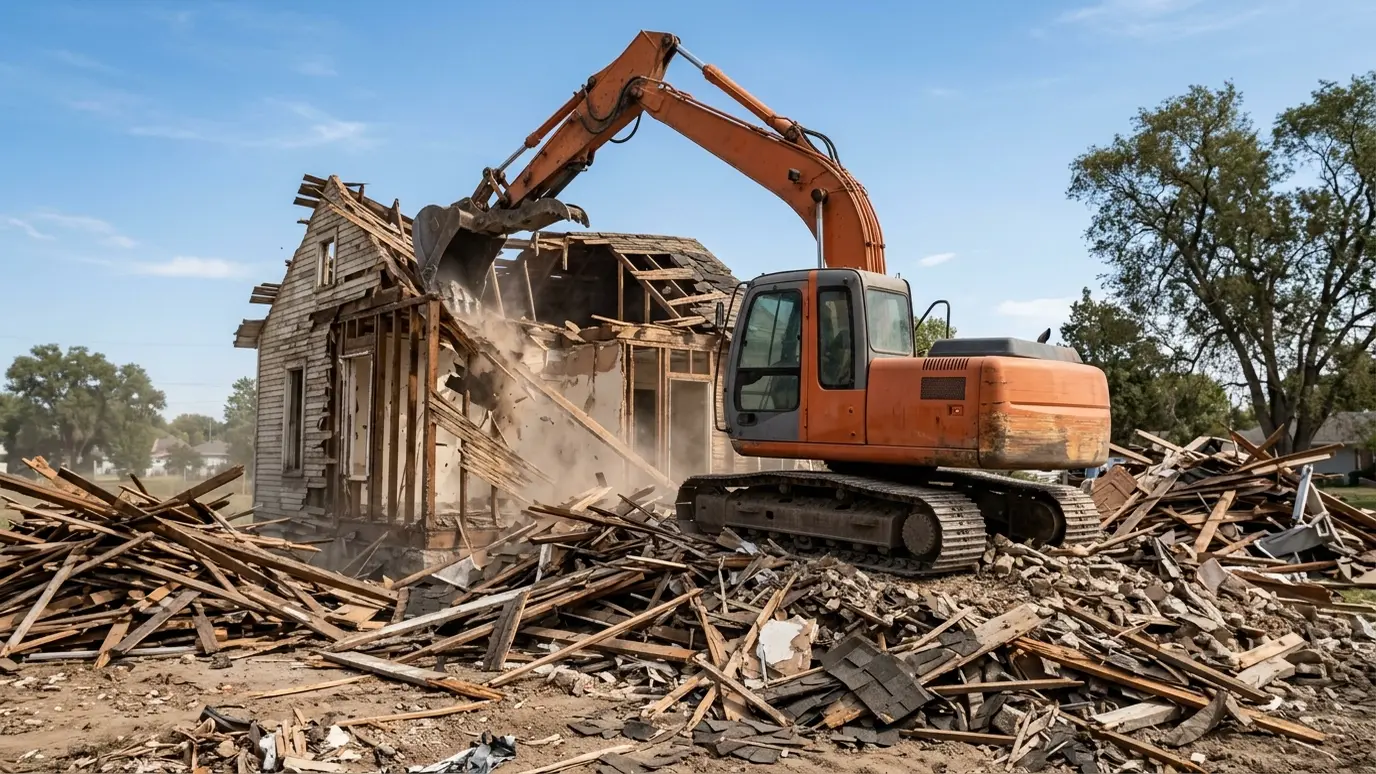 House DemolitionComplete house removal, from utility disconnects and permits to the last load of debris and a clean, level…Explore
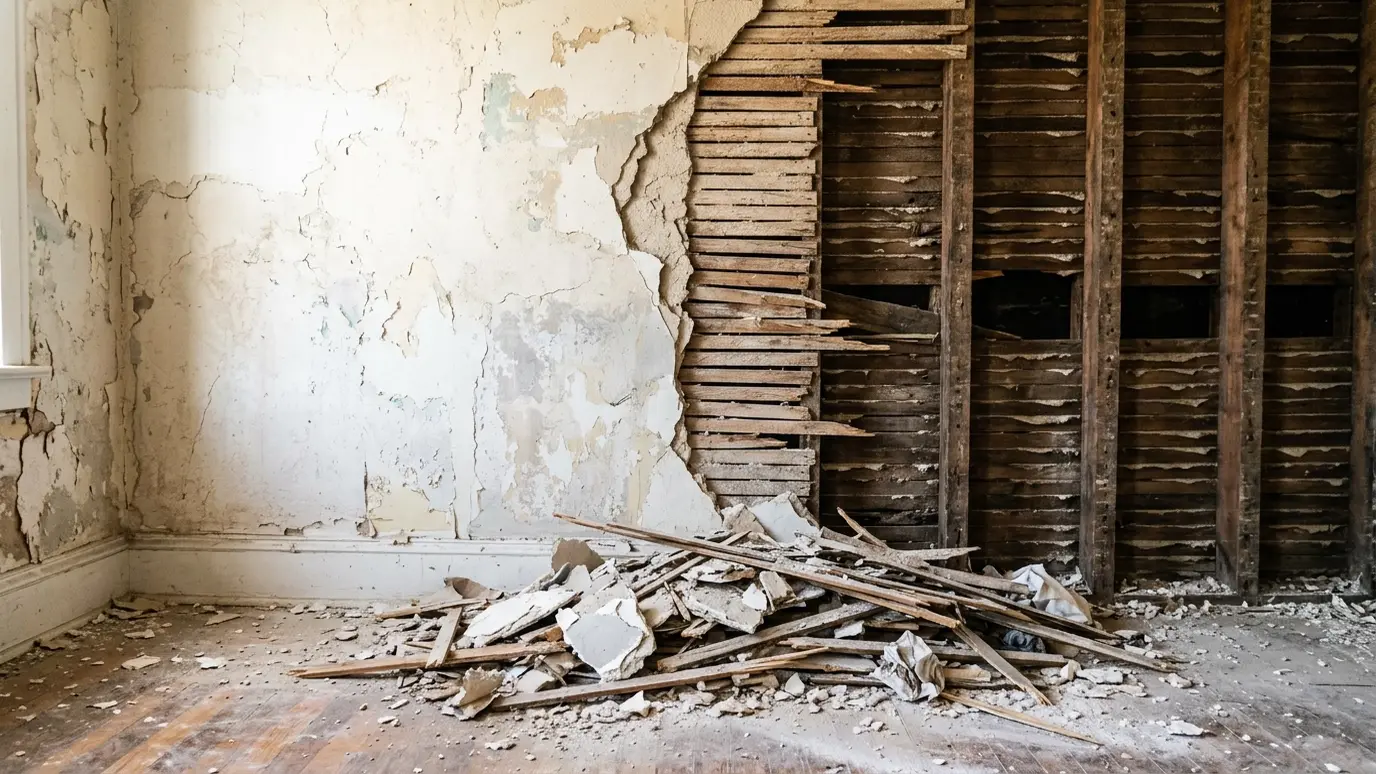 Drywall and Plaster RemovalOld drywall, plaster and lath removed from walls and ceilings with dust control, leaving clean studs and joists.Explore
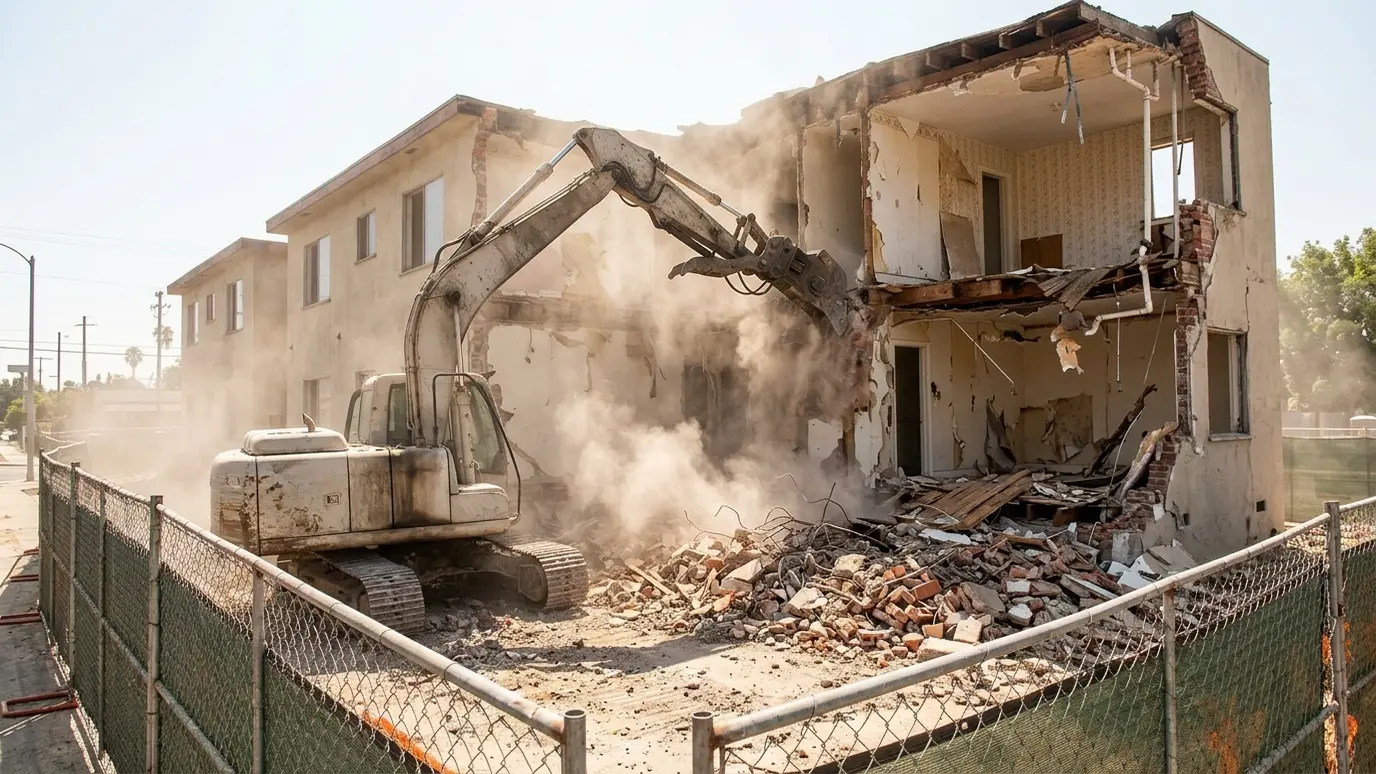 Multifamily and Apartment DemolitionApartment buildings, townhomes and multi-unit housing taken down or stripped, with neighbor protection and careful debris sorting.Explore
Tell us about the project and we will call you back to talk it through.
Or call (615) 357-7797 to talk now.