Define the scope
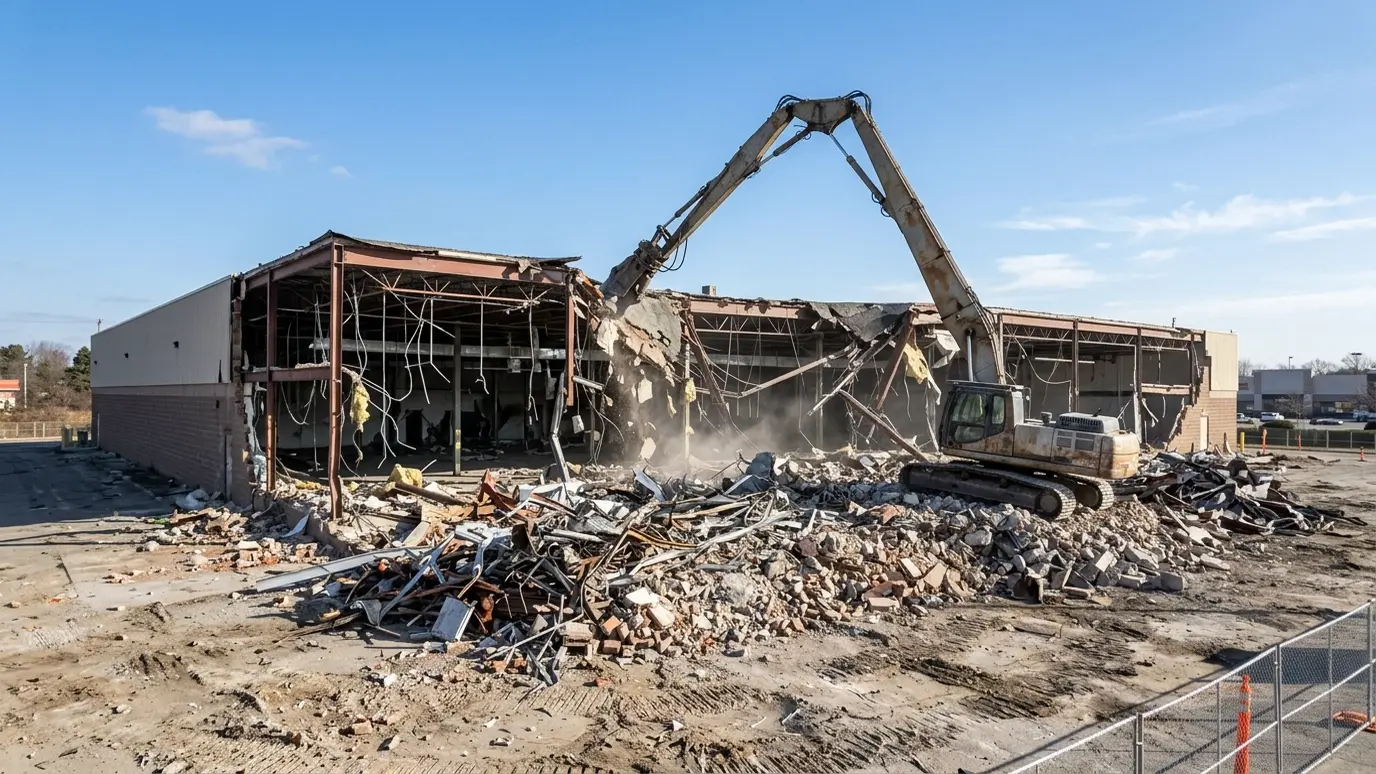
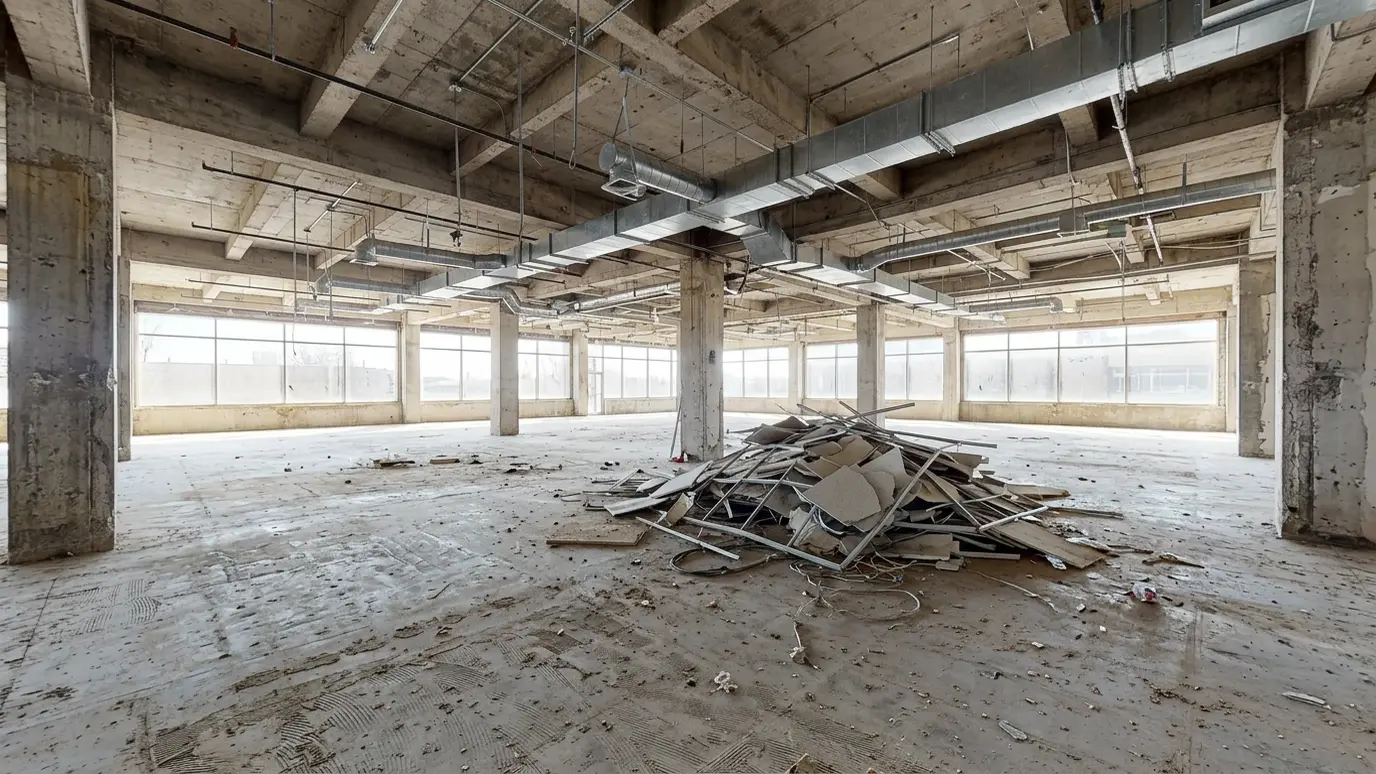
Is it full demolition, selective demolition or an interior strip-out? The answer drives everything else.
Write it down and share it with every bidder.
Surveys and hazards
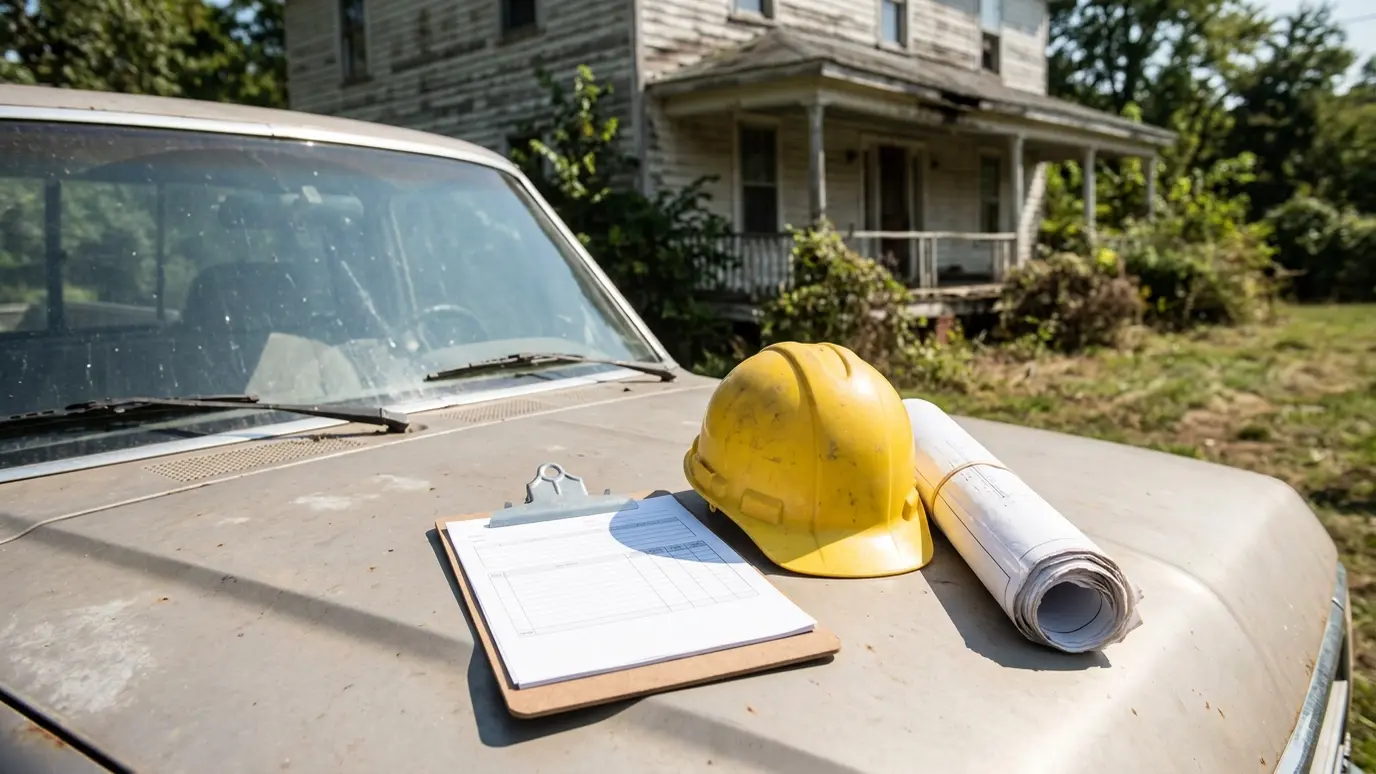
Order hazard surveys early, since results shape the plan and may require abatement.
Industrial properties may need environmental assessments.
Permits and utilities
Start permits and utility disconnects as soon as the scope is clear. They set the real start date.
Commercial sites may need traffic and pedestrian plans.
Neighbors and the public
Adjacent businesses and residents need notice and protection. Fencing, dust control and covered walkways are common.
Plan truck routes and hours.
Schedule and phasing
Large projects are often phased. Coordinate with your developer, builder and lender on dates.
Weather and approvals add buffers.
Recycling and closeout
Many projects need diversion reports, photos and clearance letters. Ask for them in the scope.
Good records speed later approvals.
Define the scope, order surveys early, start permits and utilities at once and document everything.