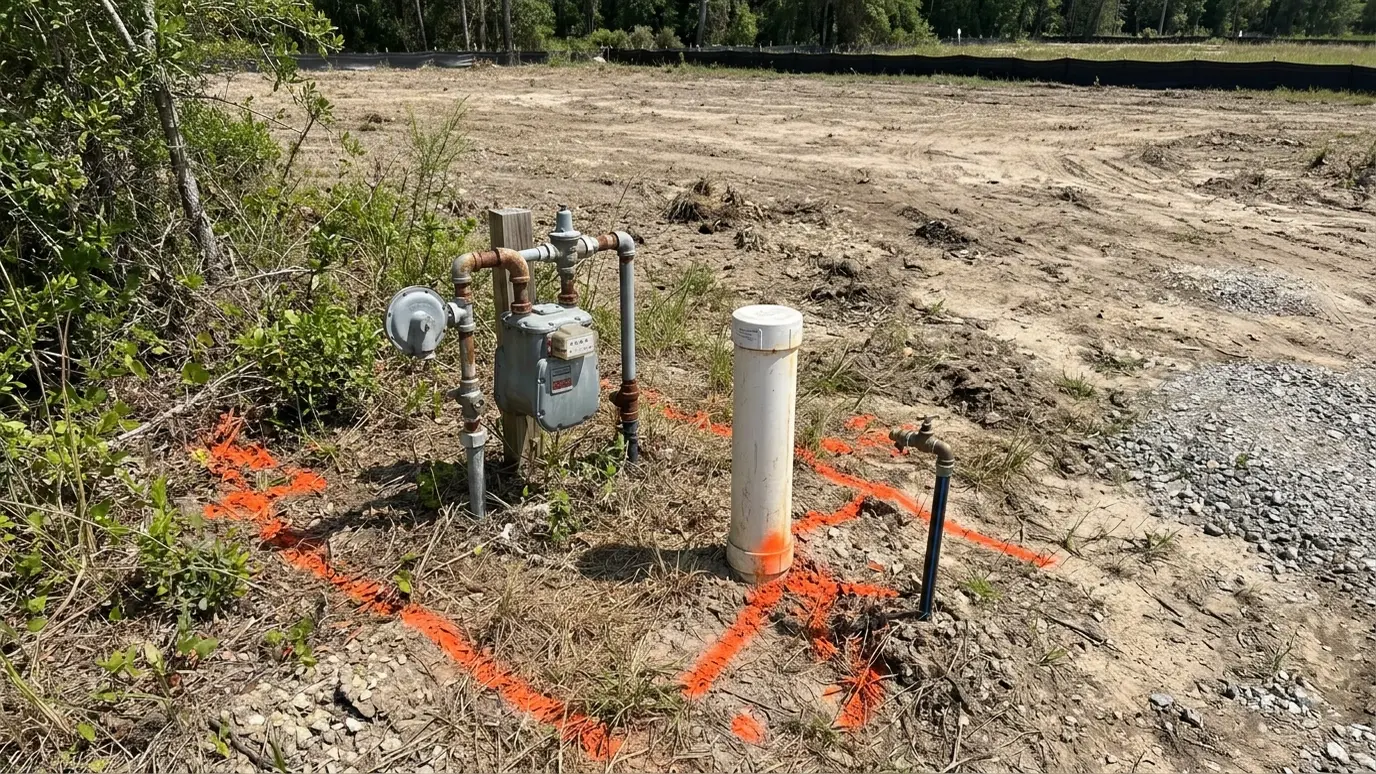
Electric, gas, water, sewer and communications disconnected and capped by the right providers before the first wall comes down.
No demolition should start until every service to the building is safely shut off. Electric, natural gas, water, sewer, telephone and cable all enter a building, and a cut line can mean a gas leak, a flooded site, an electrocution or a costly repair. It is the most important step before demolition, and the one most often forgotten.
We list every service for your site, contact each provider and schedule shut-offs and meter removals. We coordinate with plumbers for water and sewer capping, with the gas company for gas, and with electricians and the power utility for electric service. We confirm in writing that each line is dead and capped before work begins, and we mark utilities that must remain to protect them during demolition.
Electric, gas, water, sewer, communications and sometimes propane or irrigation all need attention. We build a list and track each one to completion.
Gas lines are handled by the gas company, electric service by the utility, and sewer and water capping by a plumber or the utility, according to local rules.
Neighboring homes may share lines or run across the lot. We have utilities located and protect them during demolition.
We want confirmation that each service is off and capped before demolition begins, and we keep it in the project file.
Drag the handle to compare.
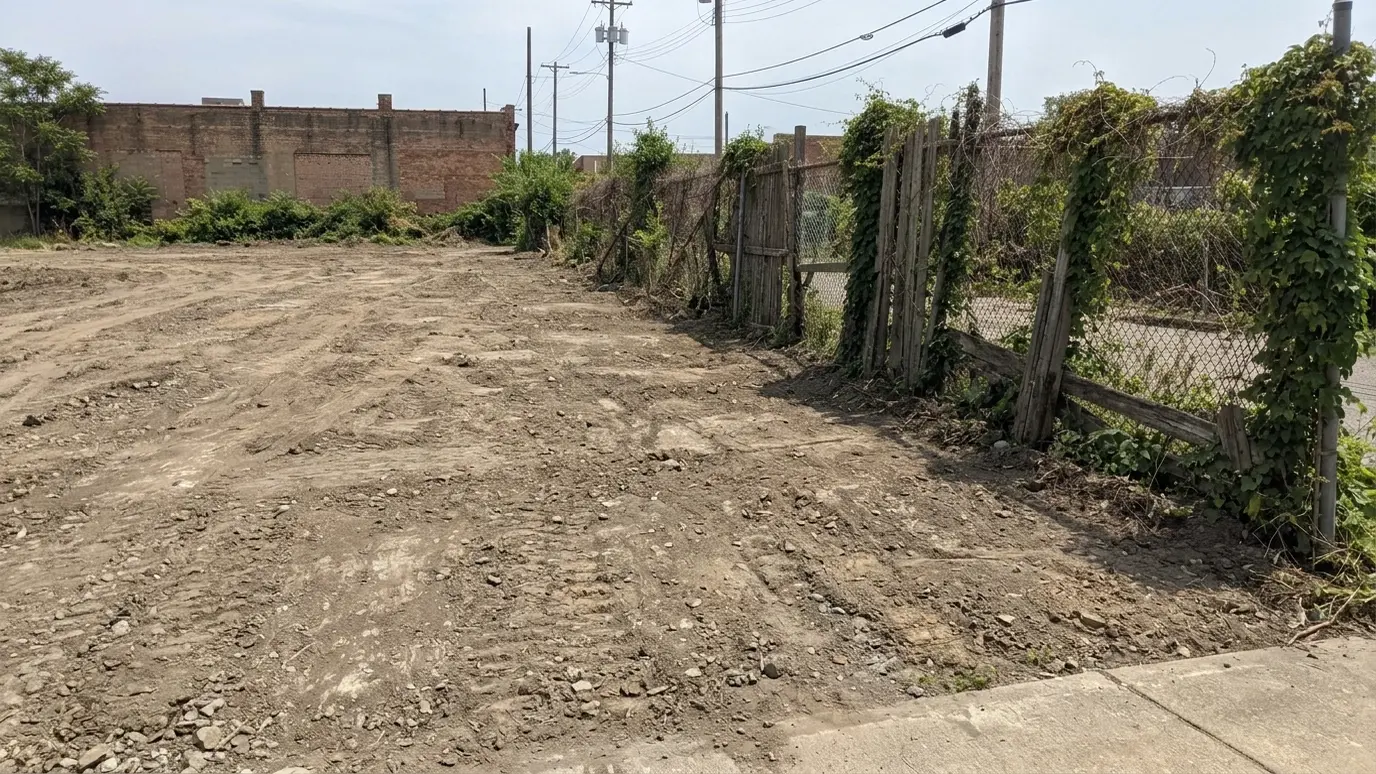
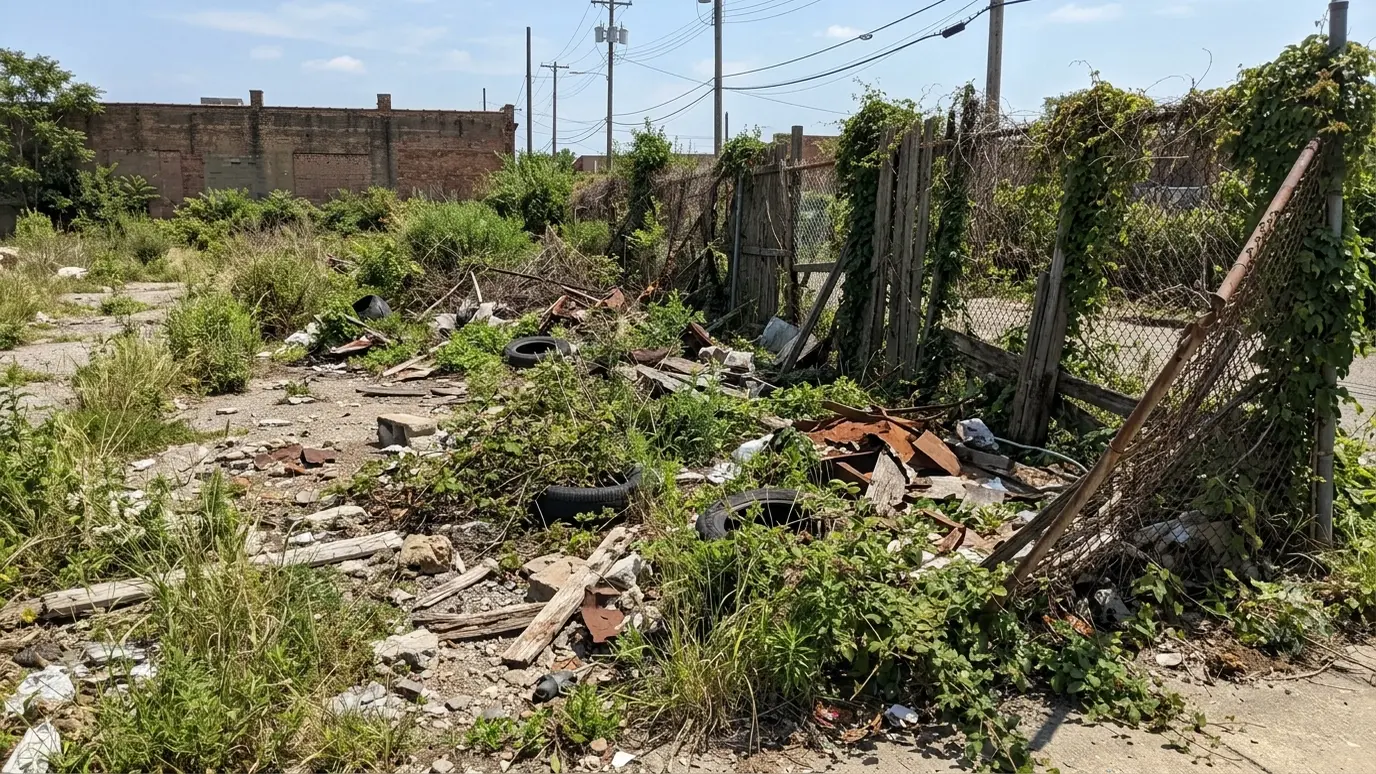 BeforeAfter
Every connection identified.
Scheduling with each utility.
Done properly at the right point.
Handled by the gas provider.
Located and marked.
Before demolition begins.
Every topic has its own page with what to expect and how we approach it.
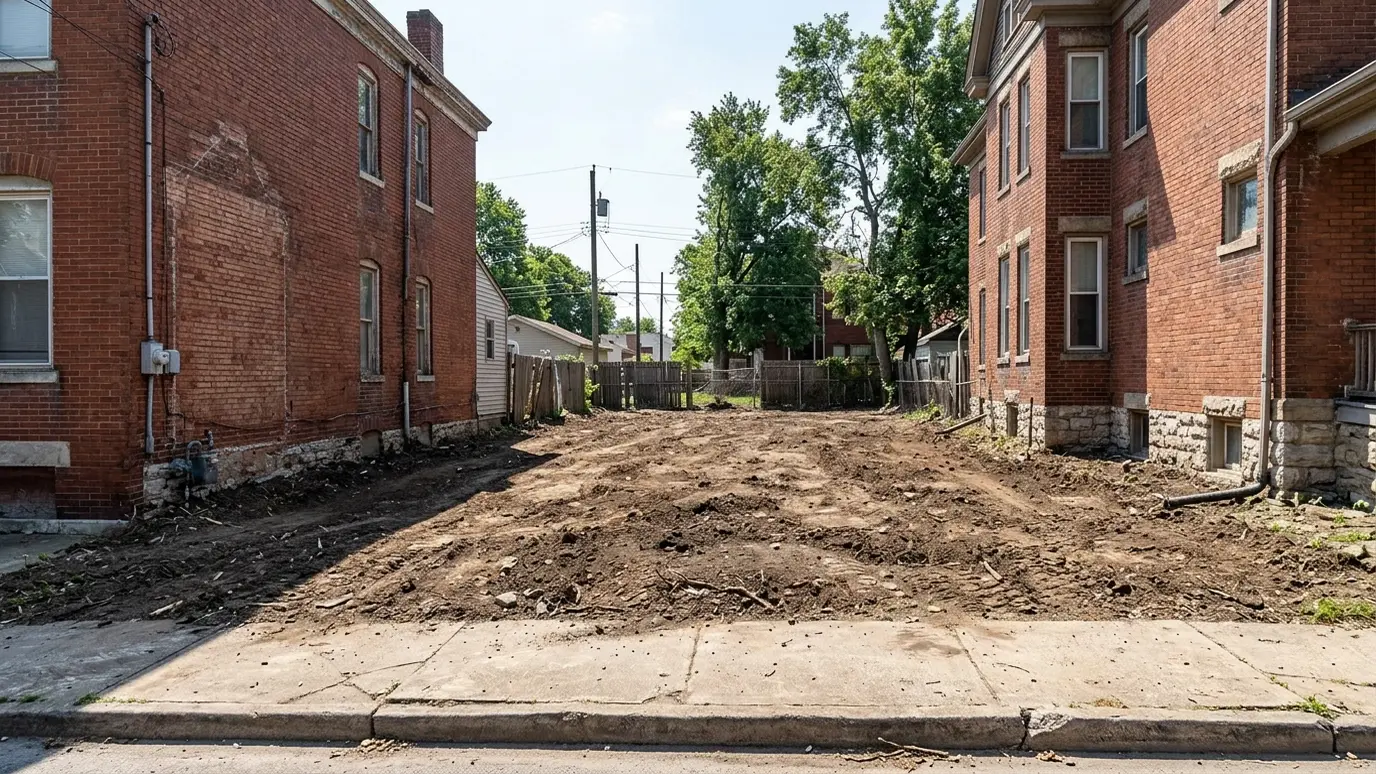 Project situationTear-DownsOlder homes come down on tight Nashville lots every week. Here is what a smooth tear-down looks like…Learn more
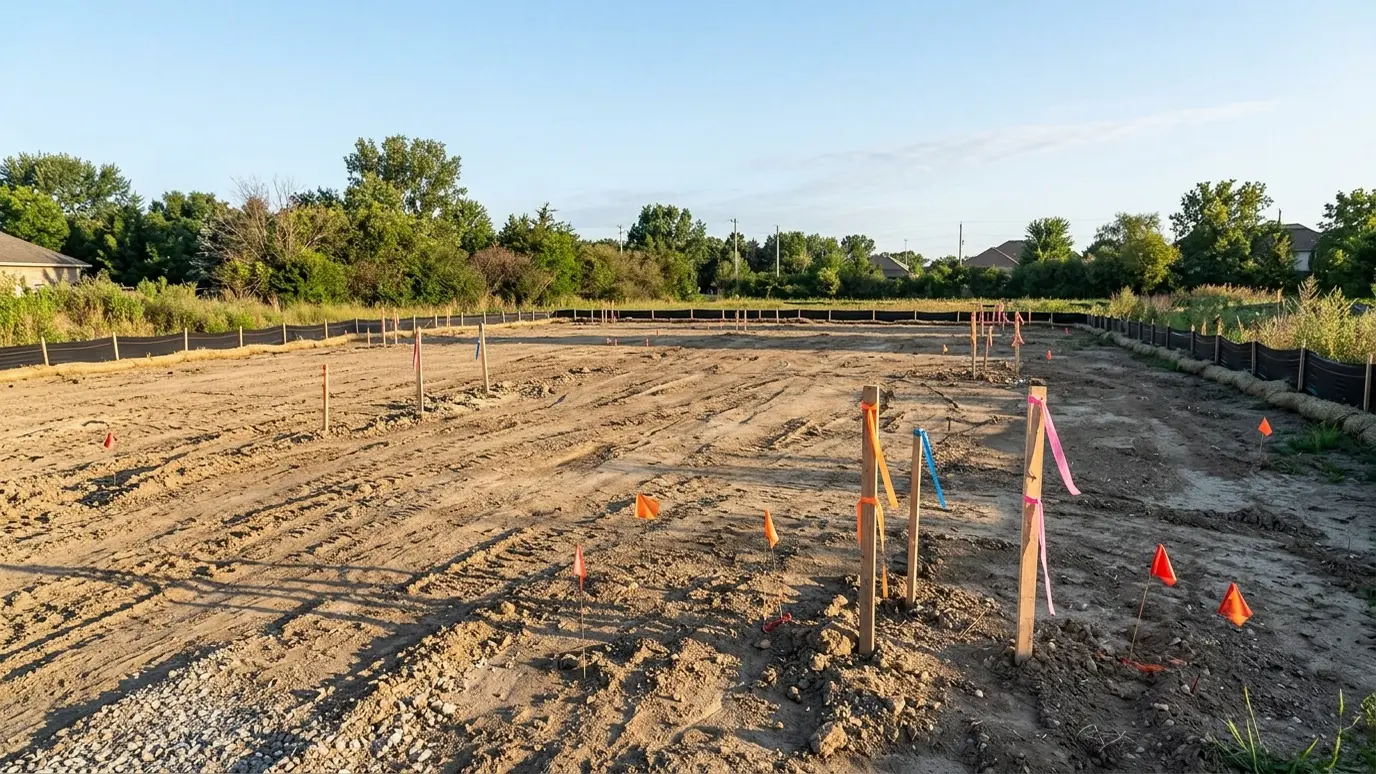 Project situationBuilder SitesBuilders need clean, graded, well-documented lots on a firm schedule. Here is how demolition and site work support…Learn more
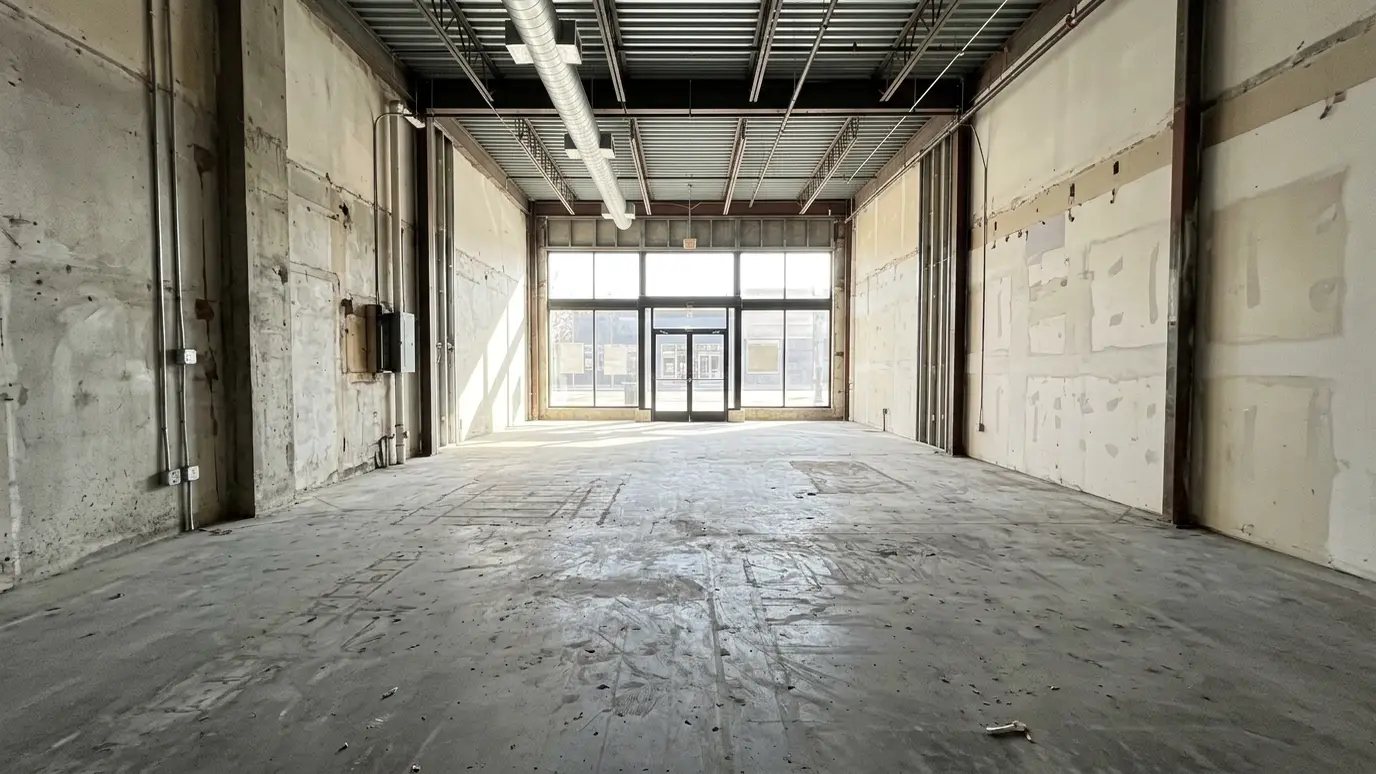 Project situationCommercial Build-OutsA new tenant means a new space. Here is how commercial demolition prepares restaurants, shops and offices for…Learn more
Check off the steps you have done to see how ready your project is and what to do next.
You tell us about the project, the timeline and any concerns, and we set a time to visit that fits your day.
We walk the structure and the lot, check access, utilities and likely hazards and take photos and measurements.
We prepare the written scope, coordinate permits, surveys and utility disconnects and set up fencing and dust control.
The work proceeds in a planned order with water on dust and materials sorted for recycling.
Debris is loaded and hauled away on schedule, and the site is swept and kept tidy.
We grade the lot, sweep for nails and debris, take photos and walk the finished work with you.
The gas company or a qualified plumber, depending on local rules. We coordinate it.
It varies from days to weeks, so start early.
Sometimes the provider needs access. We coordinate it for you.
We locate it and protect it, and the utility can advise on rerouting.
No. Safety and permits require services to be off first.
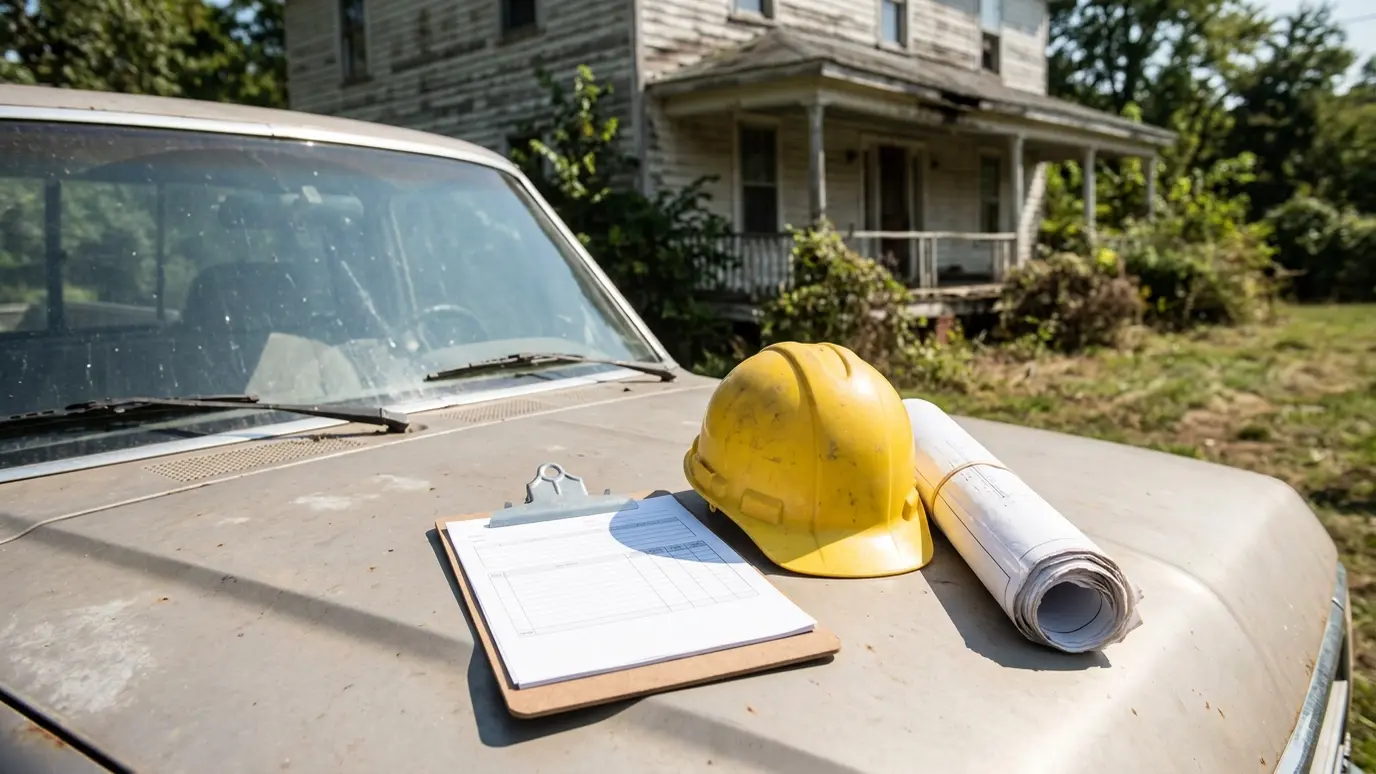 Permits and Inspection SupportHelp with demolition permits, notices, utility sign-offs and inspections, so your project is approved and stays approved.Explore
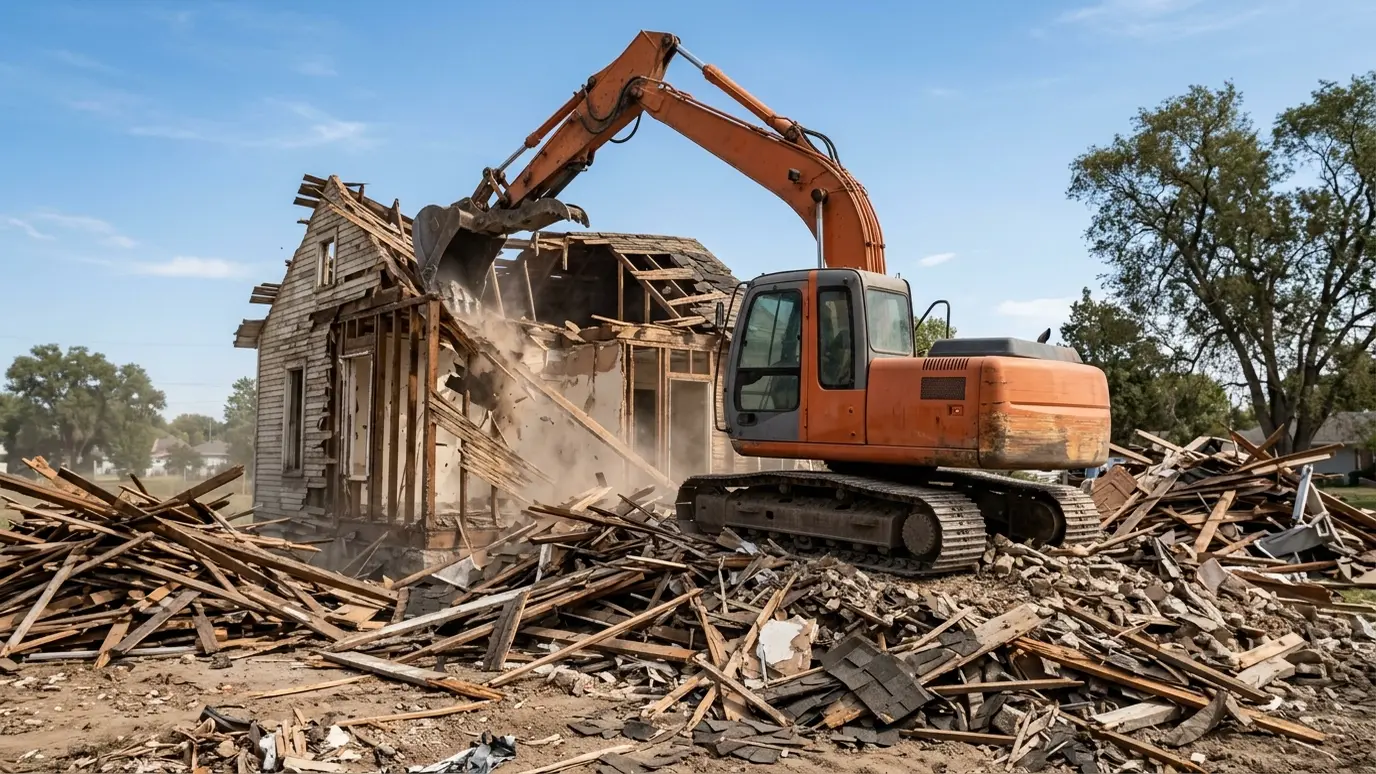 House DemolitionComplete house removal, from utility disconnects and permits to the last load of debris and a clean, level…Explore
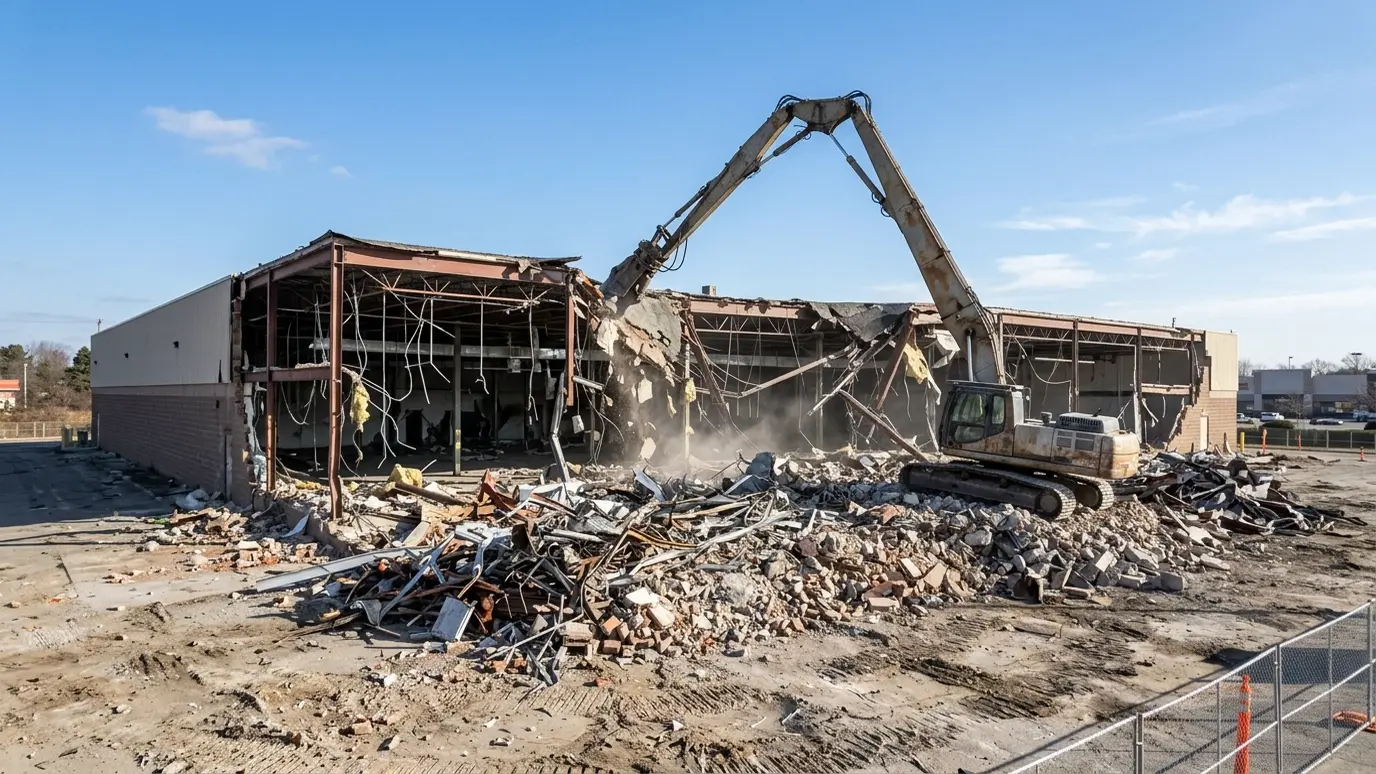 Commercial Building DemolitionFull demolition of stores, offices, churches, schools and commercial buildings, planned around permits, neighbors and tight schedules.Explore
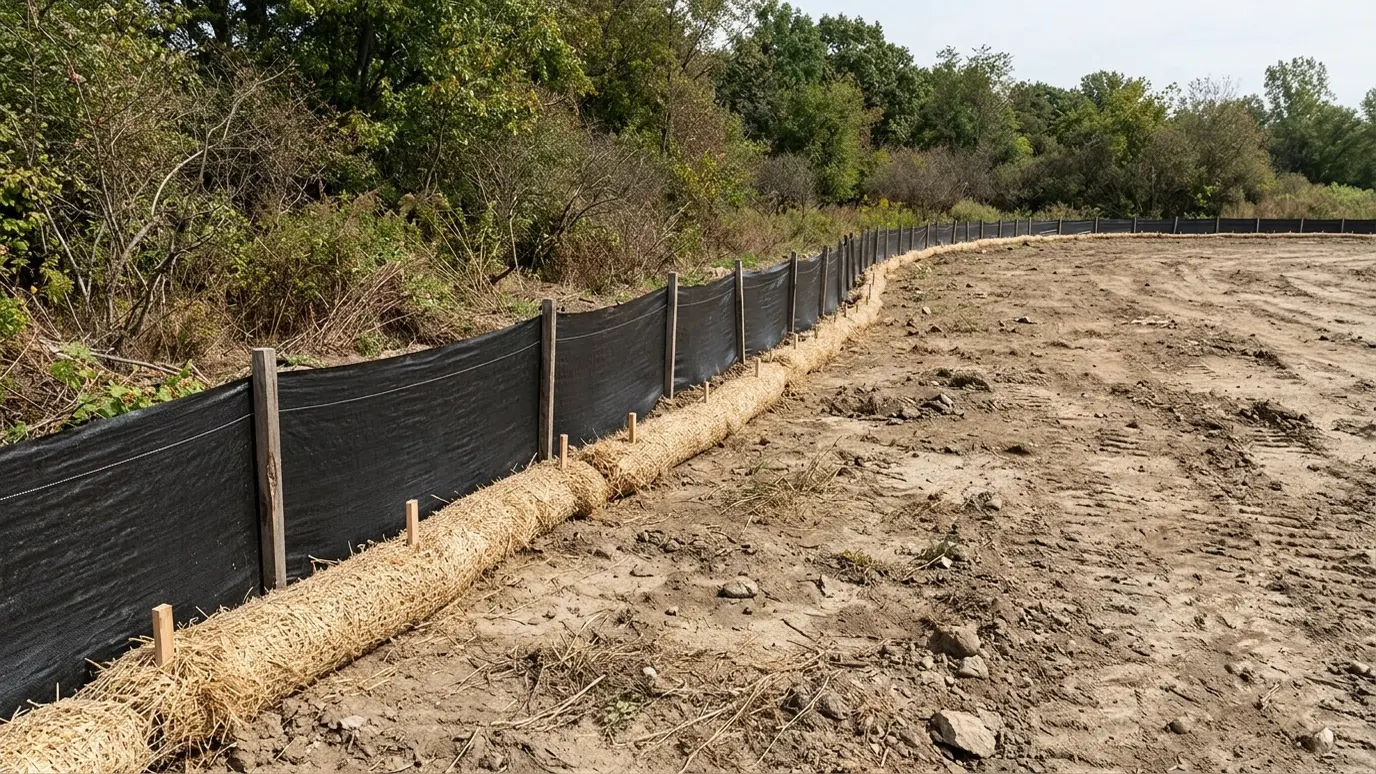 Erosion and Sediment ControlSilt fence, straw wattles, stone entrances and seeding that keep soil on your lot and out of storm…Explore
Tell us about the project and we will call you back to talk it through.
Or call (615) 357-7797 to talk now.