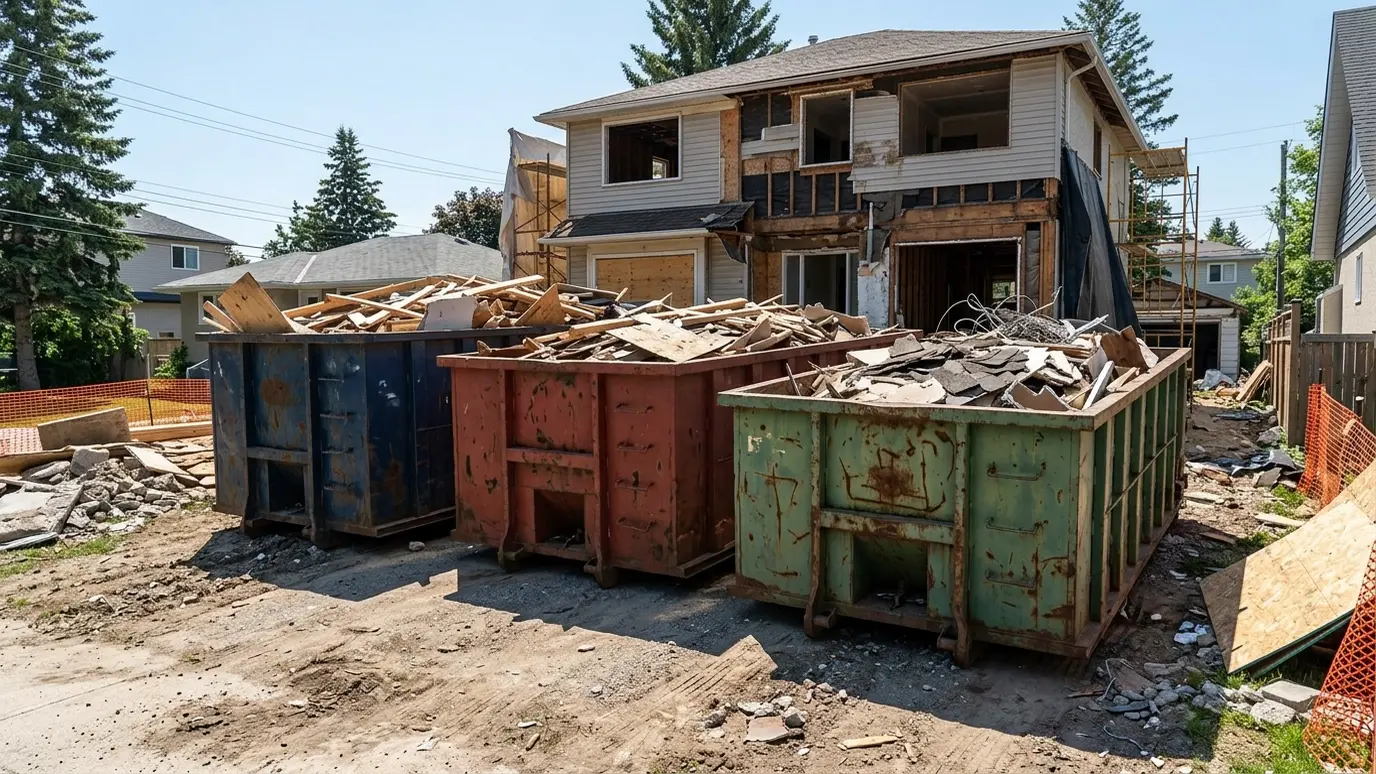
The right dumpster sizes in the right places at the right times, with swaps timed to keep your demolition moving.
Dumpsters sound simple, but the wrong size, the wrong placement or a delayed swap can stall a whole job. Concrete needs a heavy-duty container, drywall fills space quickly and driveways, trees and power lines limit where a truck can set a bin.
We estimate debris by material, pick the right container sizes, check delivery access and coordinate placement with you and your neighbors. We schedule swaps so there is always a place to load, keep weight within limits and handle disposal. For tight sites, we plan loading sequences that keep the street clear and the crew working.
Concrete and brick require smaller, heavy-duty bins because of weight. Light debris fits larger containers. Mixing them wastes money and risks overweight fees.
Driveways, overhead lines, soft ground and street rules limit where a dumpster can go. We check before delivery and protect surfaces with boards.
A full bin stops work. We schedule swaps based on your pace so there is always a place to load.
Street placement may need a permit. We explain what applies and help coordinate with neighbors who share an access.
Drag the handle to compare.
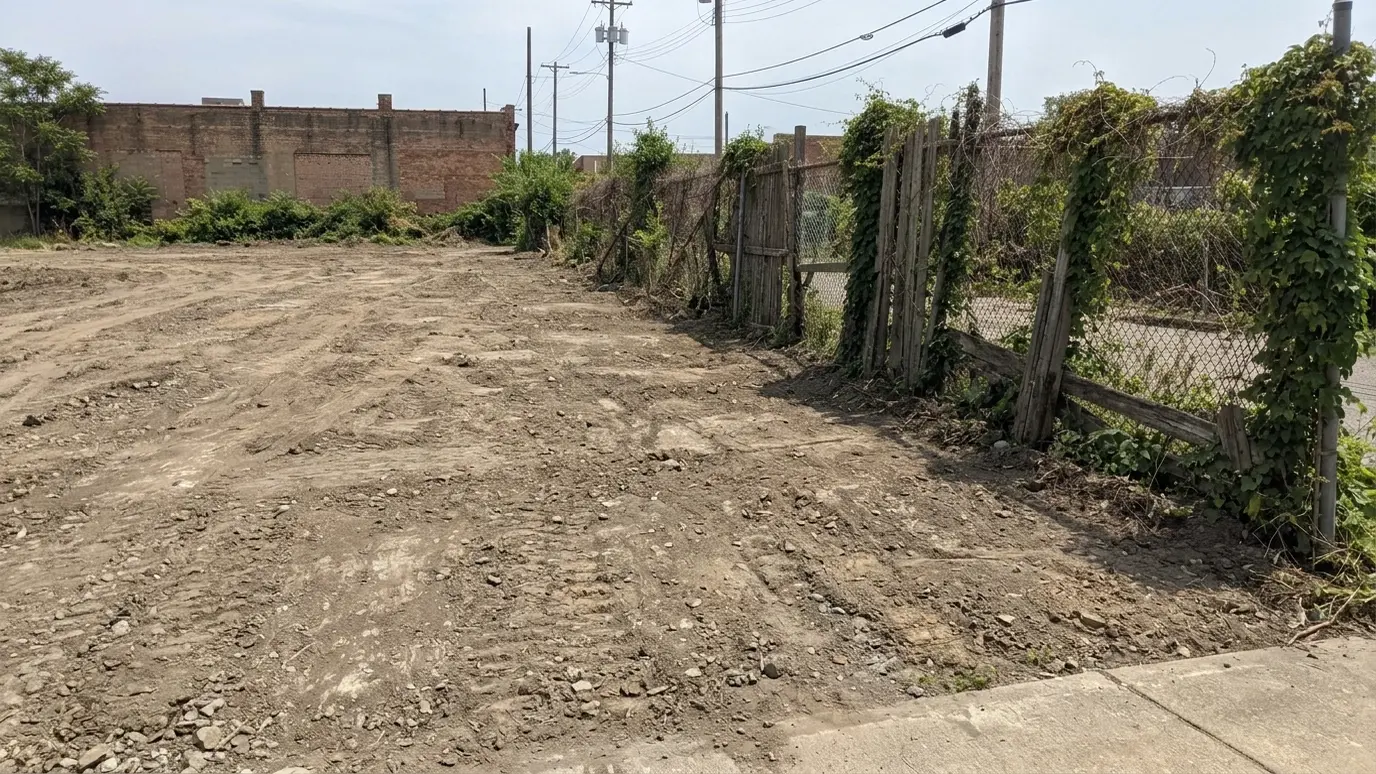
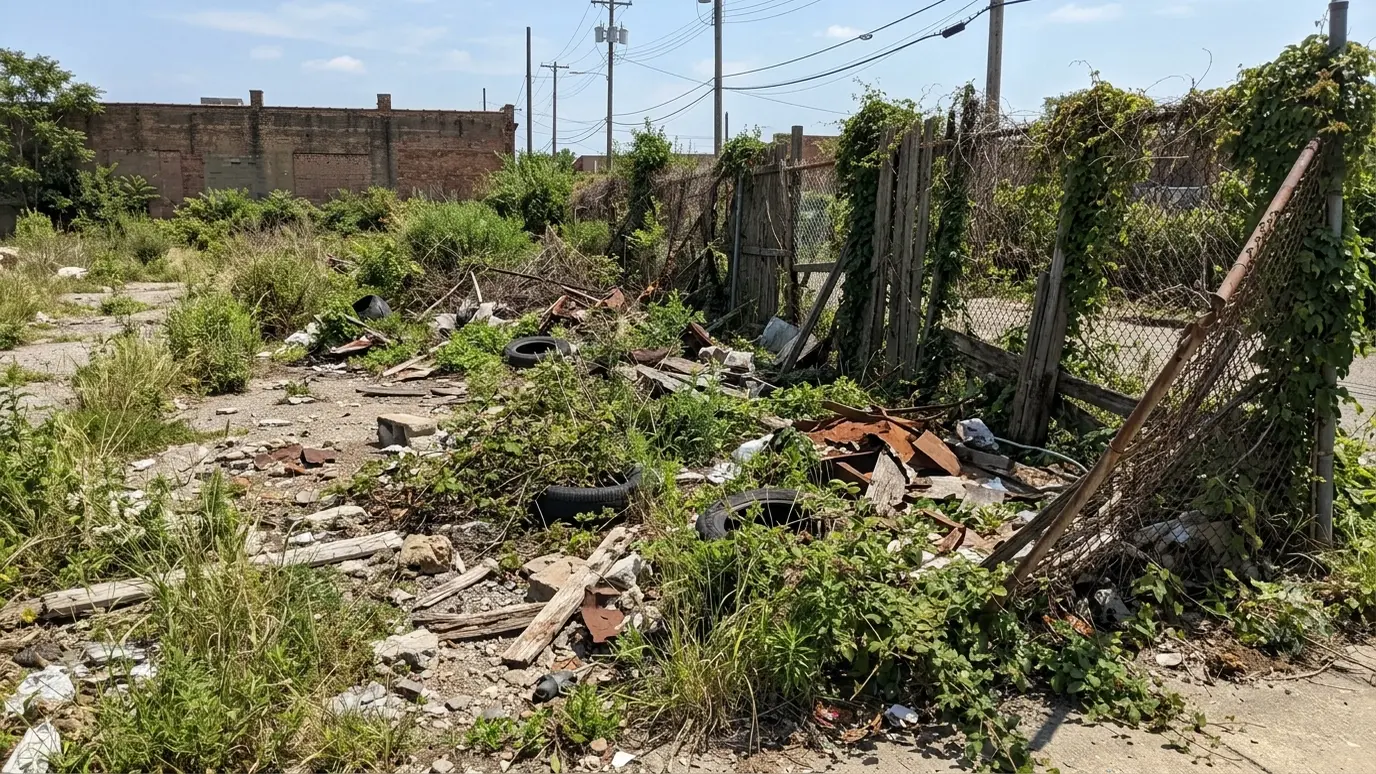 BeforeAfter
Matched to materials and weight.
Access and surfaces protected.
Timed to your pace.
Overweight fees avoided.
Street placement explained.
Hauled to the right facility.
Every topic has its own page with what to expect and how we approach it.
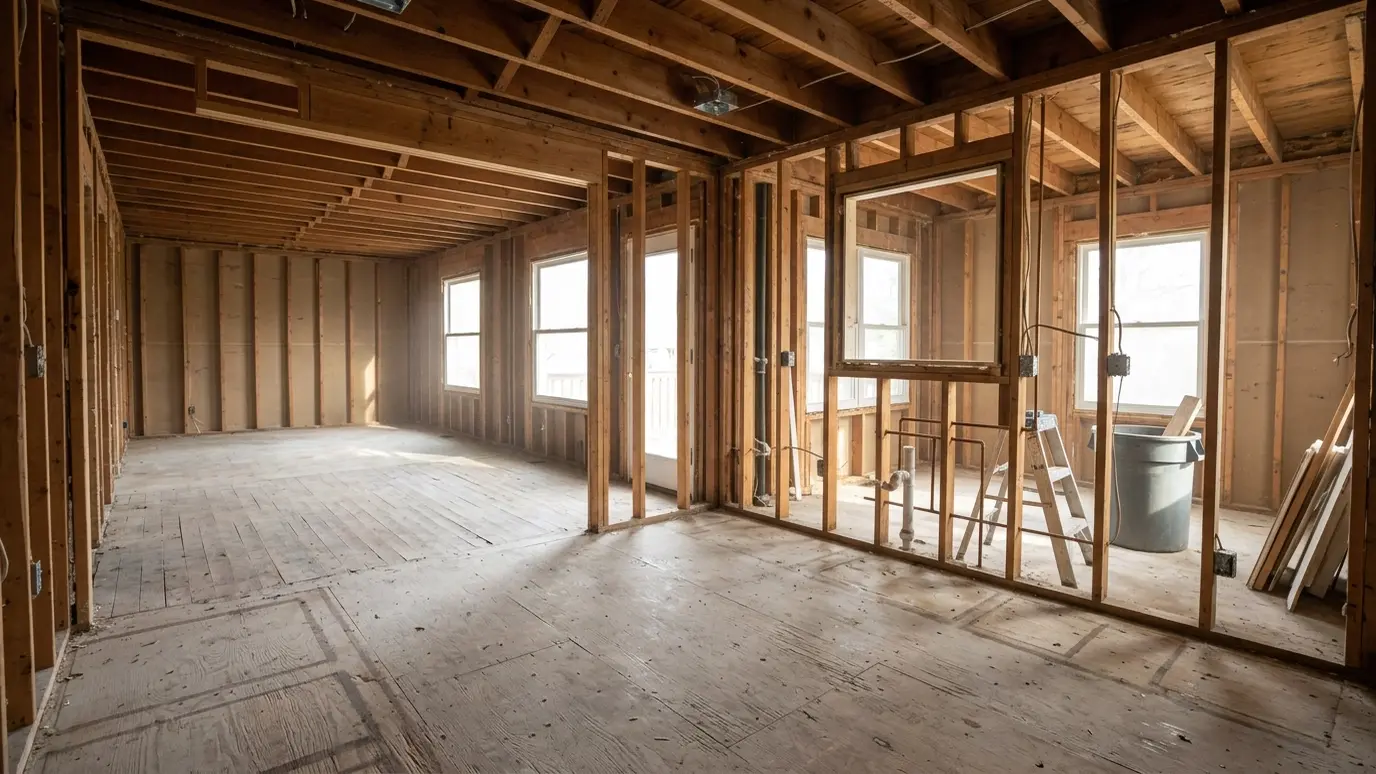 Project situationRemodel PrepEvery remodel starts with demolition. Here is how to plan the tear-out so the rebuild starts clean, on…Learn more
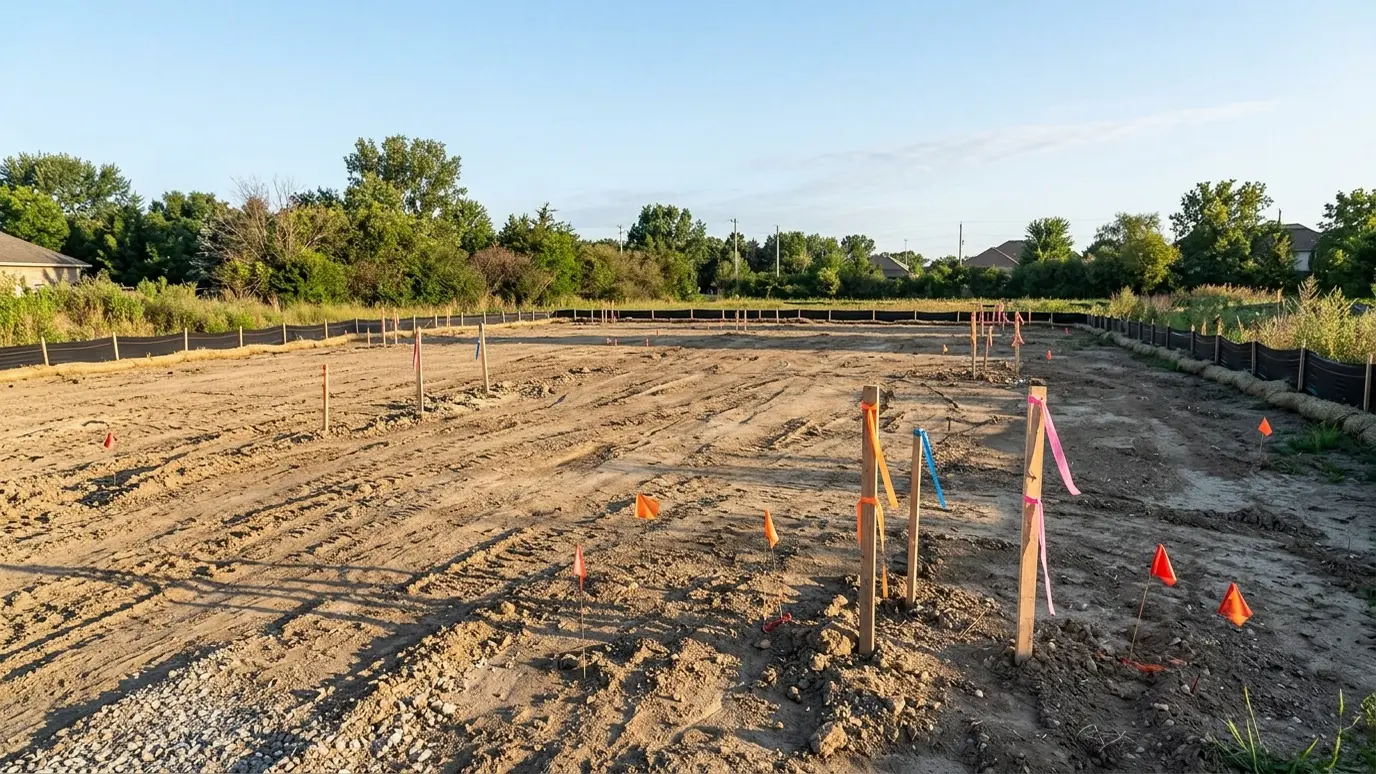 Project situationBuilder SitesBuilders need clean, graded, well-documented lots on a firm schedule. Here is how demolition and site work support…Learn more
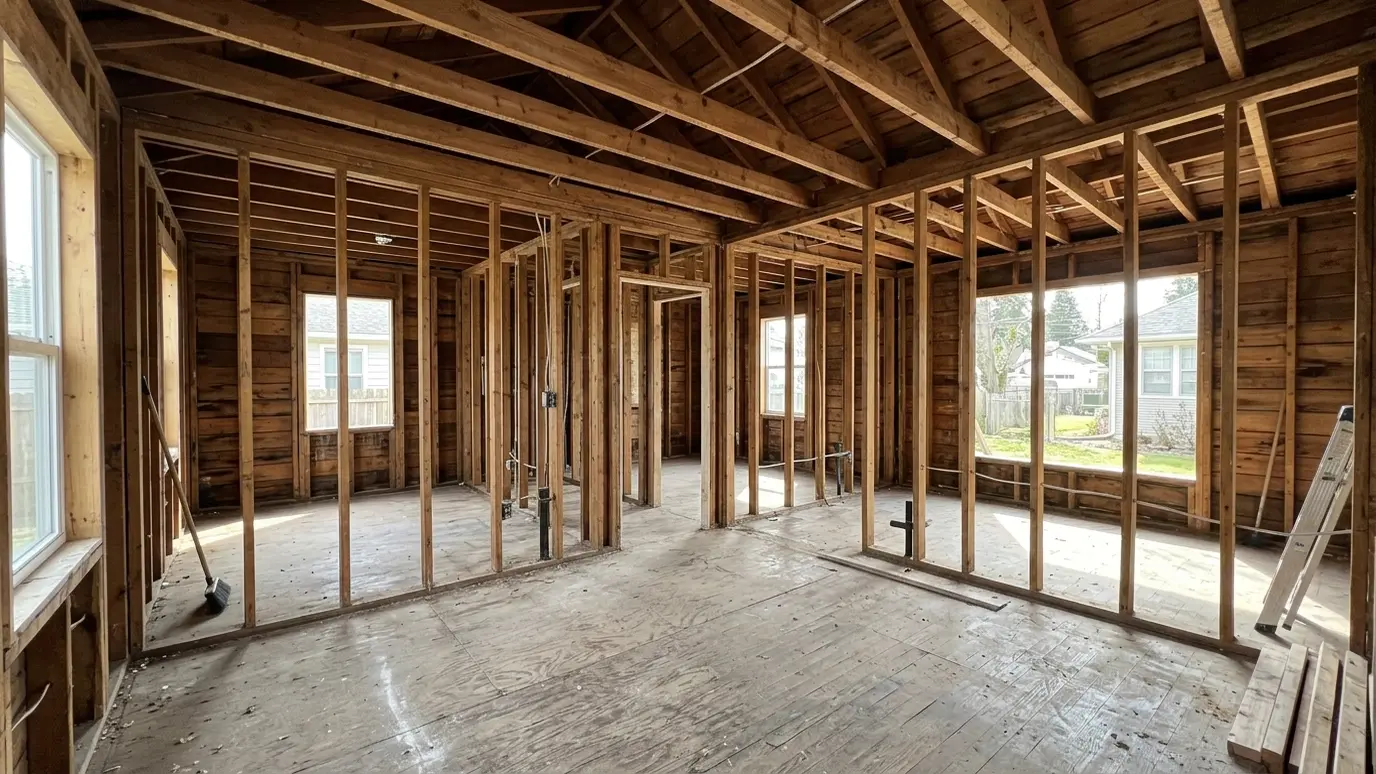 Project situationRental PropertiesInvestors and landlords need fast, fair, well-documented demolition to turn over, renovate or clear properties.Learn more
Pick the project and size to see the debris in cubic yards, the tons and the dumpsters or truckloads to plan for.
You tell us about the project, the timeline and any concerns, and we set a time to visit that fits your day.
We walk the structure and the lot, check access, utilities and likely hazards and take photos and measurements.
We prepare the written scope, coordinate permits, surveys and utility disconnects and set up fencing and dust control.
The work proceeds in a planned order with water on dust and materials sorted for recycling.
Debris is loaded and hauled away on schedule, and the site is swept and kept tidy.
We grade the lot, sweep for nails and debris, take photos and walk the finished work with you.
It depends on the project and the material. Our debris tool gives a starting point, and we confirm on site.
Usually yes, with boards to protect the surface. We check for overhead lines and soft ground.
Concrete is very heavy, so containers are limited by weight rather than volume.
On a public street, often. We explain the rules for your location.
Usually within a day, and we can plan swaps ahead of time.
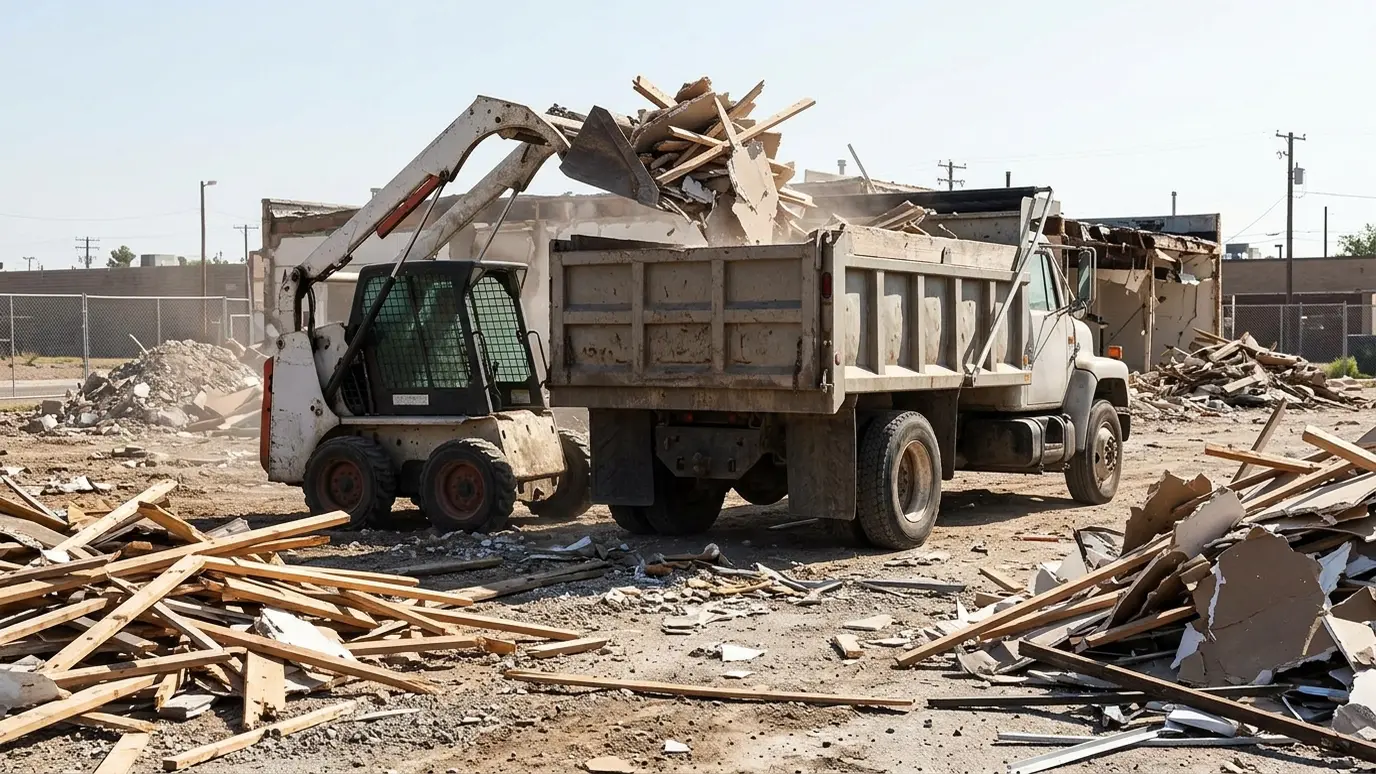 Debris Removal and HaulingDemolition debris, construction waste and cleanout material loaded, hauled and disposed of properly, so your project never stalls.Explore
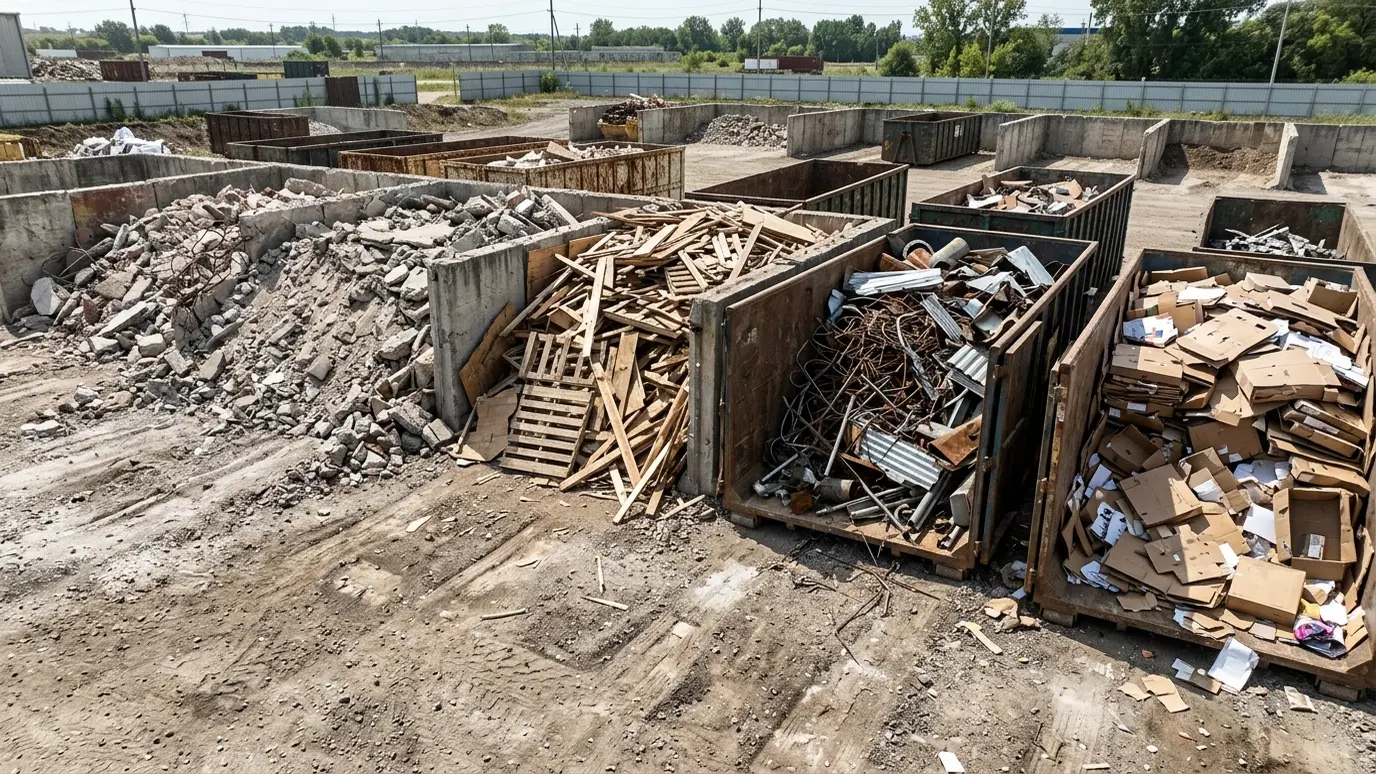 Recycling and Material DiversionConcrete, metal, wood, asphalt and masonry sorted and delivered to recyclers, reducing landfill loads and often lowering cost.Explore
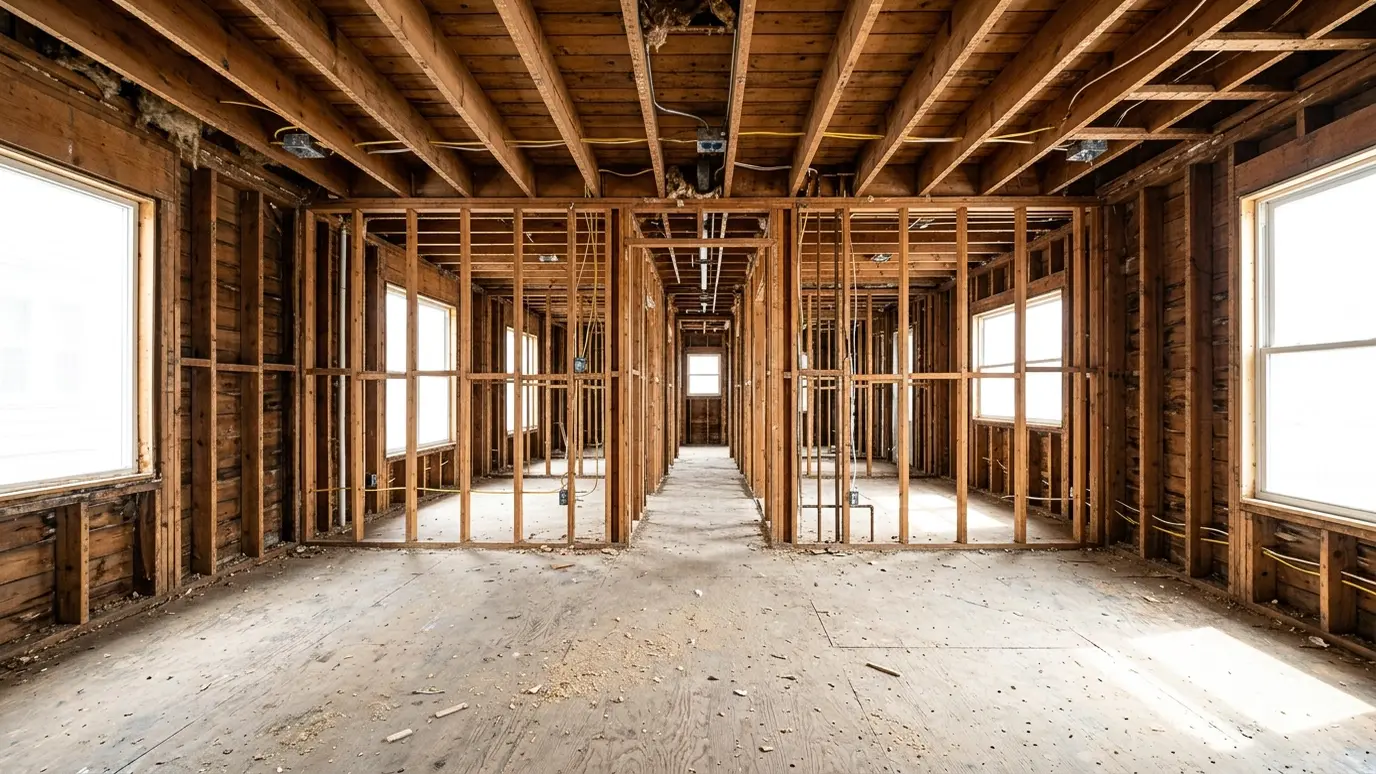 Whole-Home Interior GutEvery room taken back to the studs and joists, with the structure protected and a clean, open shell…Explore
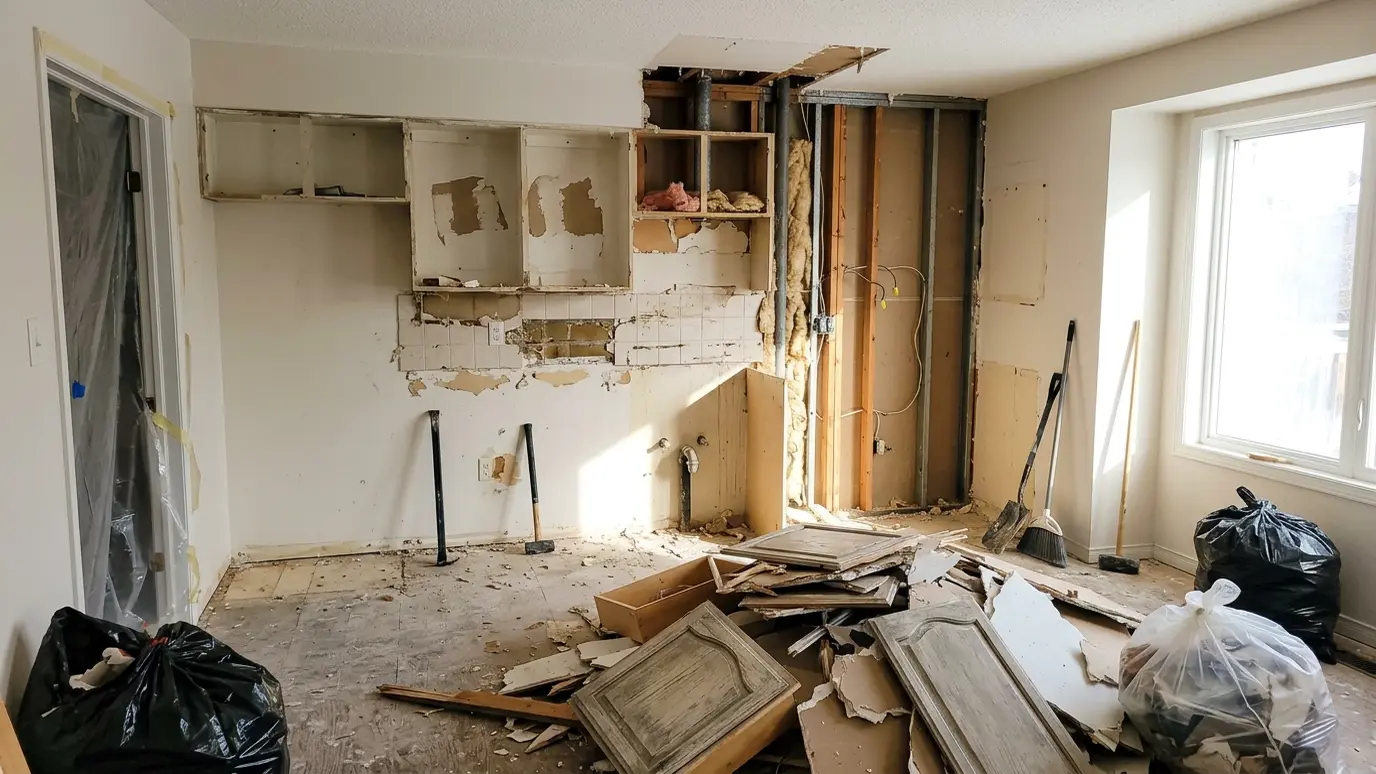 Kitchen DemolitionCabinets, counters, appliances, flooring and walls taken out cleanly, so your remodeler starts with a clear, protected, ready-to-build…Explore
Tell us about the project and we will call you back to talk it through.
Or call (615) 357-7797 to talk now.