Plan before you swing
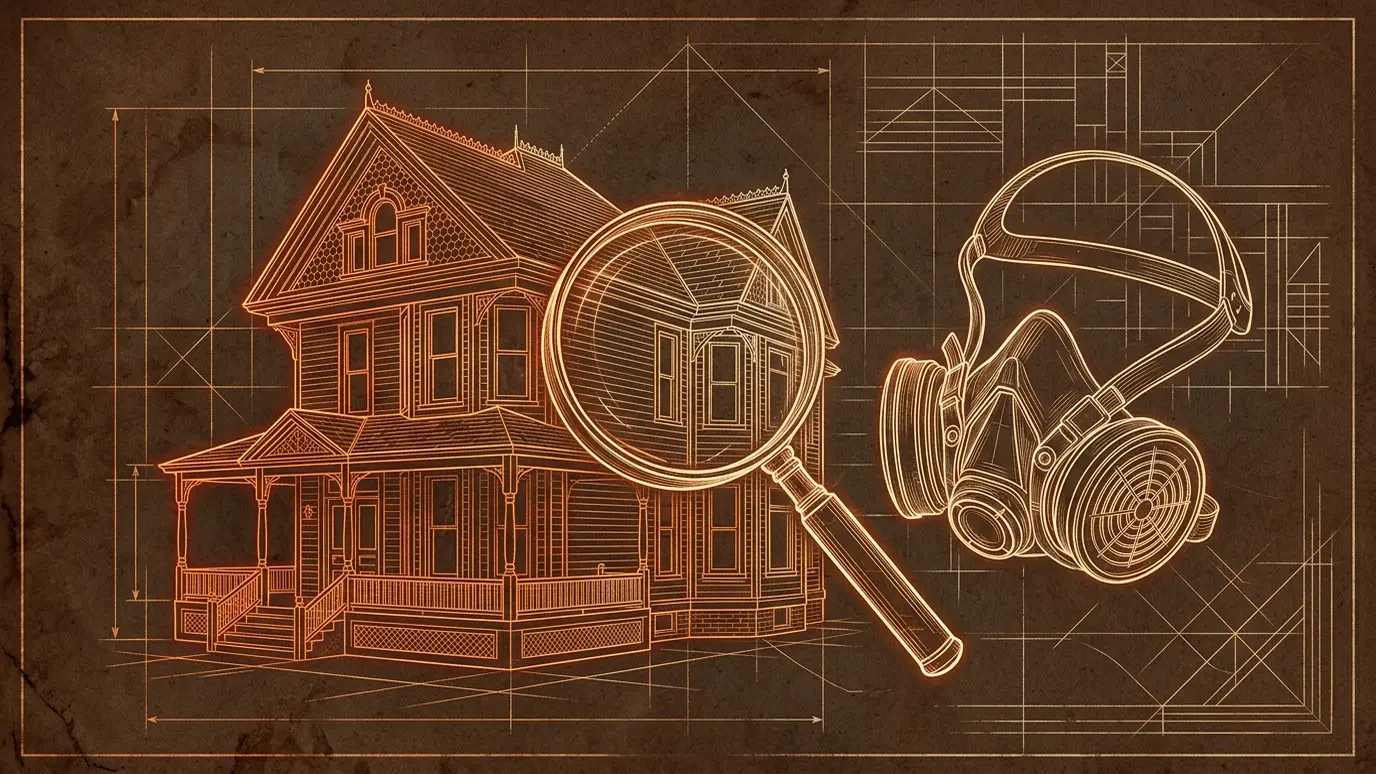
Safe demolition starts on paper: hazards identified, utilities off, fall zones planned and equipment matched to the structure.
Skipping the plan is how accidents happen.
Site security
Fencing, signs and controlled access keep the public out of the work zone. Children and pets are especially at risk.
We secure sites at the end of every day.
Dust control
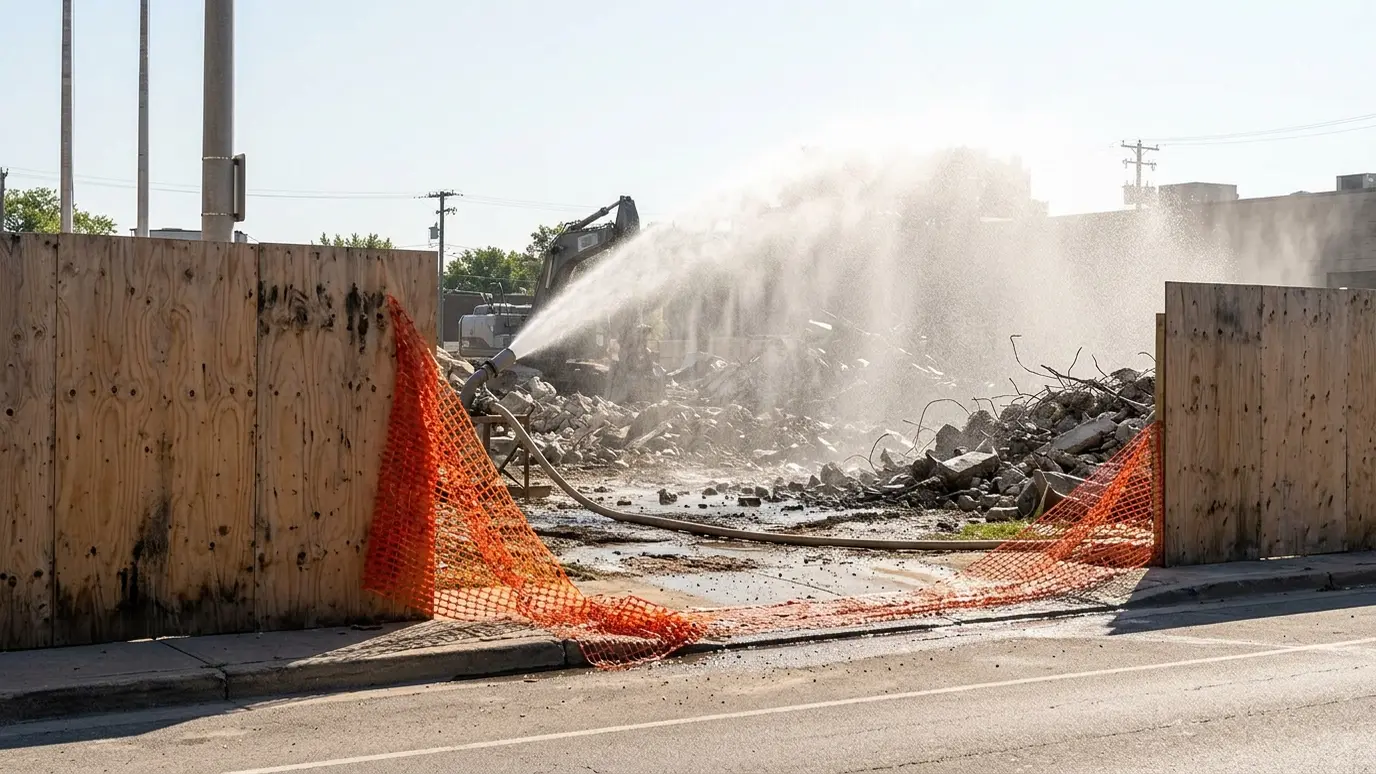
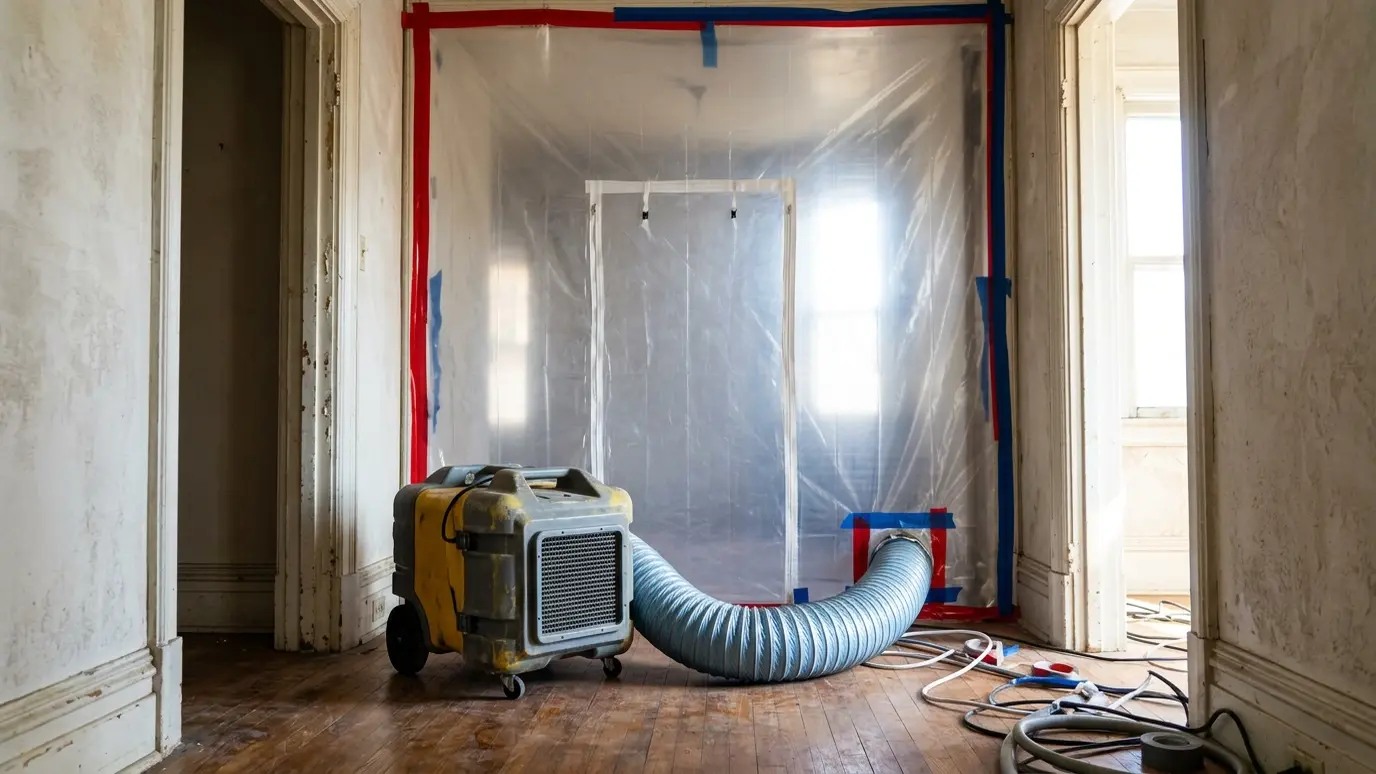
Water at the point of demolition, covered debris piles and sealed interior containment keep dust under control.
Dust protects no one when it blows into a neighbor yard.
Noise and hours
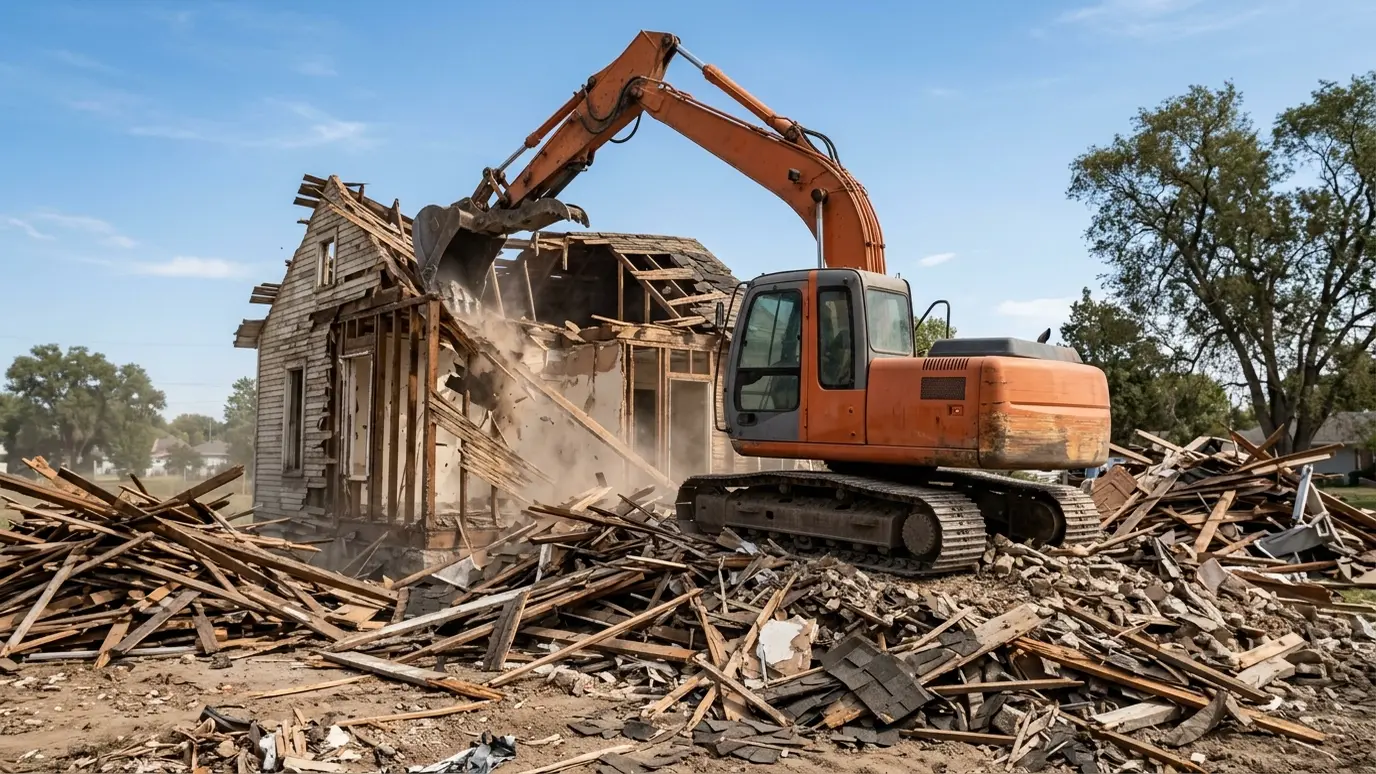
Heavy equipment is loud. Following local hours and planning noisy tasks reduces the effect on neighbors.
Notice and communication matter as much as the tools.
Crew protection
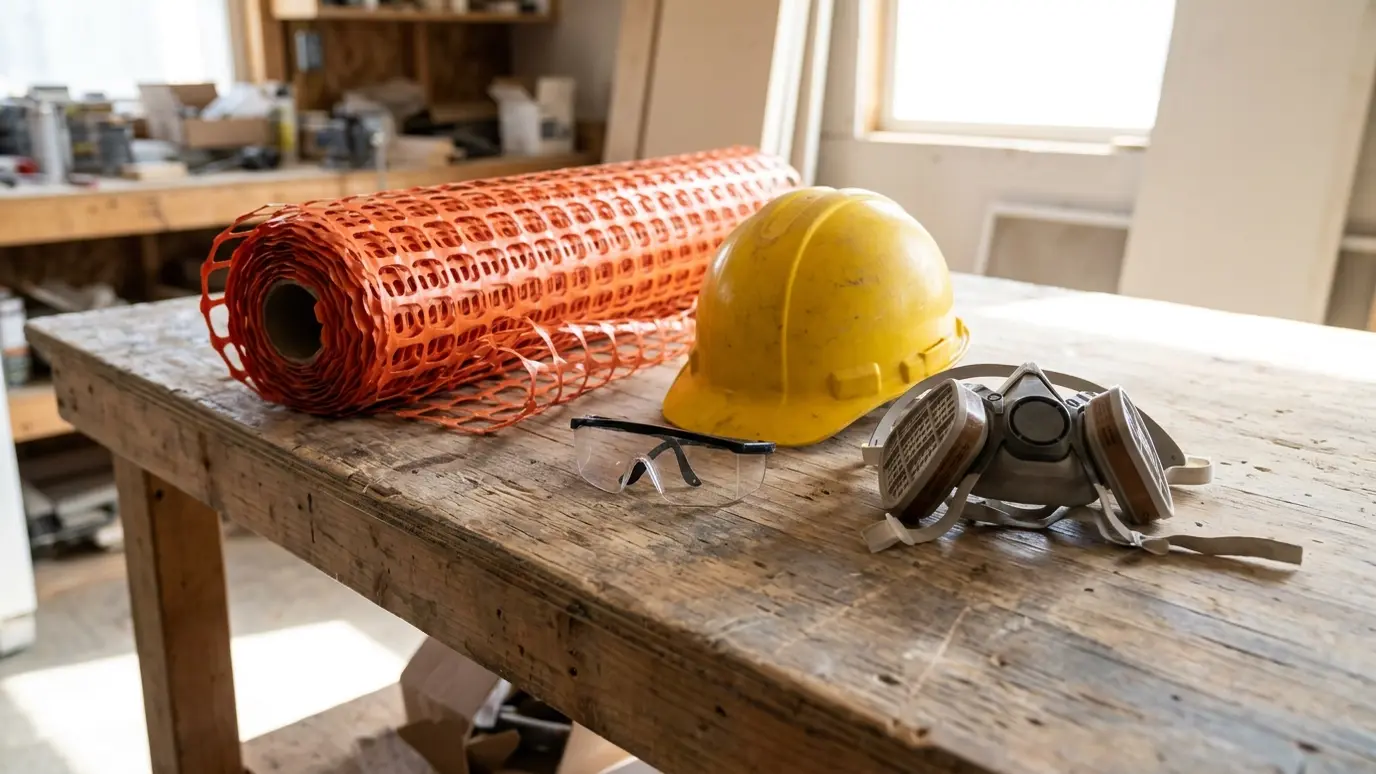
Respirators, hearing protection, hard hats and training protect the people doing the work. Ask your contractor about their safety practices.
A tidy site is a safer site.
What owners can do
Stay out of the work zone, keep children and pets away and tell us about anything unusual on the property.
Do not enter damaged buildings.
Safe demolition is planned, secured and controlled, and it keeps neighbors informed.