Steel buildings, warehouses, plants and industrial structures taken down with the right equipment, sorting and safety planning.
Industrial buildings are large, tall and built from steel, concrete and heavy equipment. They may contain tanks, process equipment, floor trenches and decades of materials that need careful handling. Demolishing them safely takes planning, the right attachments and a sorting plan that recovers value.
We survey the structure and its history, identify systems and hazards and plan the sequence with your team. Process equipment is disconnected and removed, steel is cut and sorted with shears and torches and concrete is broken and recycled. Roofs, walls and foundations come down in a controlled order, and the site is graded and cleaned at the end. We keep records for your project file.
Industrial buildings may have held chemicals, oil or process fluids. A history review and, when needed, an environmental assessment come before demolition.
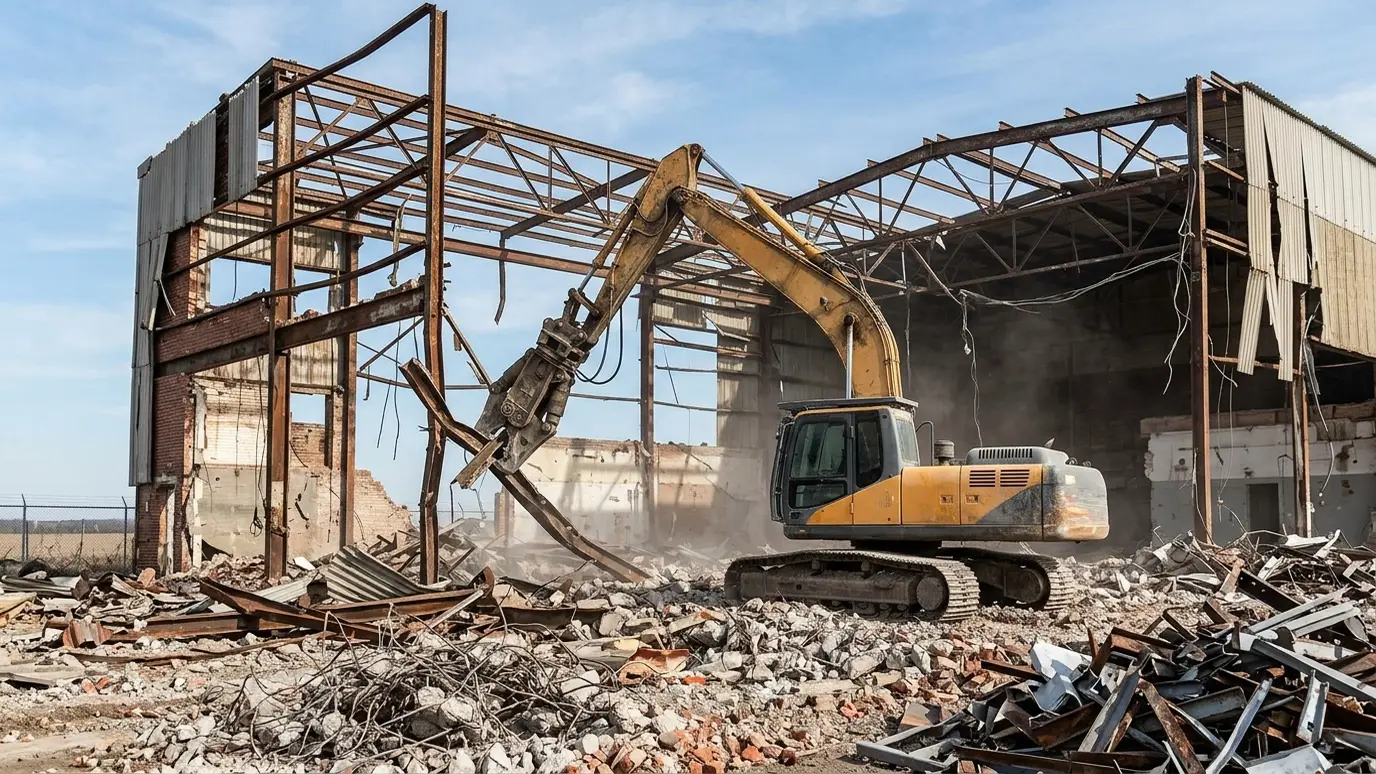
Steel frames are cut and pulled down with shears and cutting torches. Cut steel is sorted by grade for recycling, which often offsets cost.
Trenches, pits and underground tanks need special handling. We identify and plan for them rather than discovering them mid-job.
Machinery and racking may be sold, relocated or scrapped. We coordinate removal with the owner or a specialist.
Drag the handle to compare.
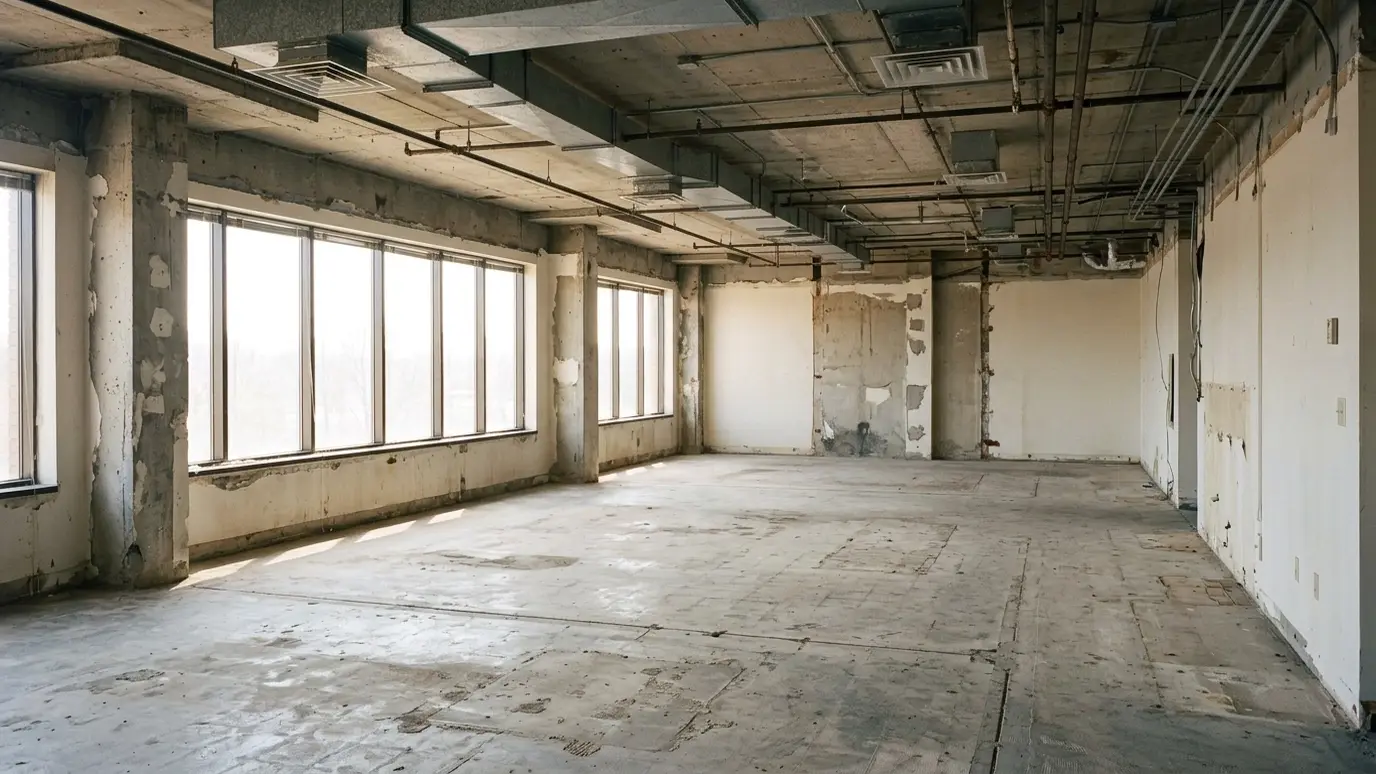
 BeforeAfter
Warehouses, plants and shops.
Sized for the structure.
Sorted and sold or recycled.
Planned before work begins.
Zones, fencing and procedures.
Ready for redevelopment.
Every topic has its own page with what to expect and how we approach it.
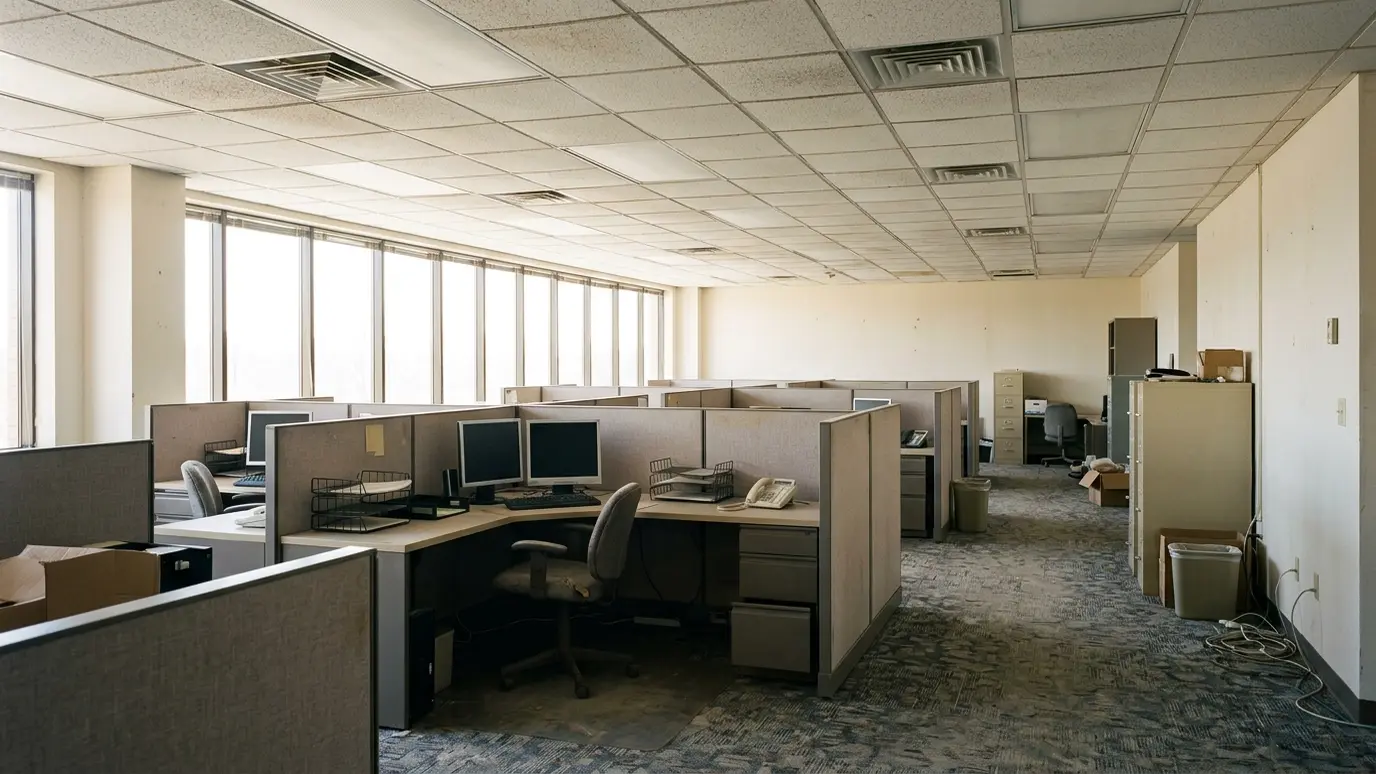
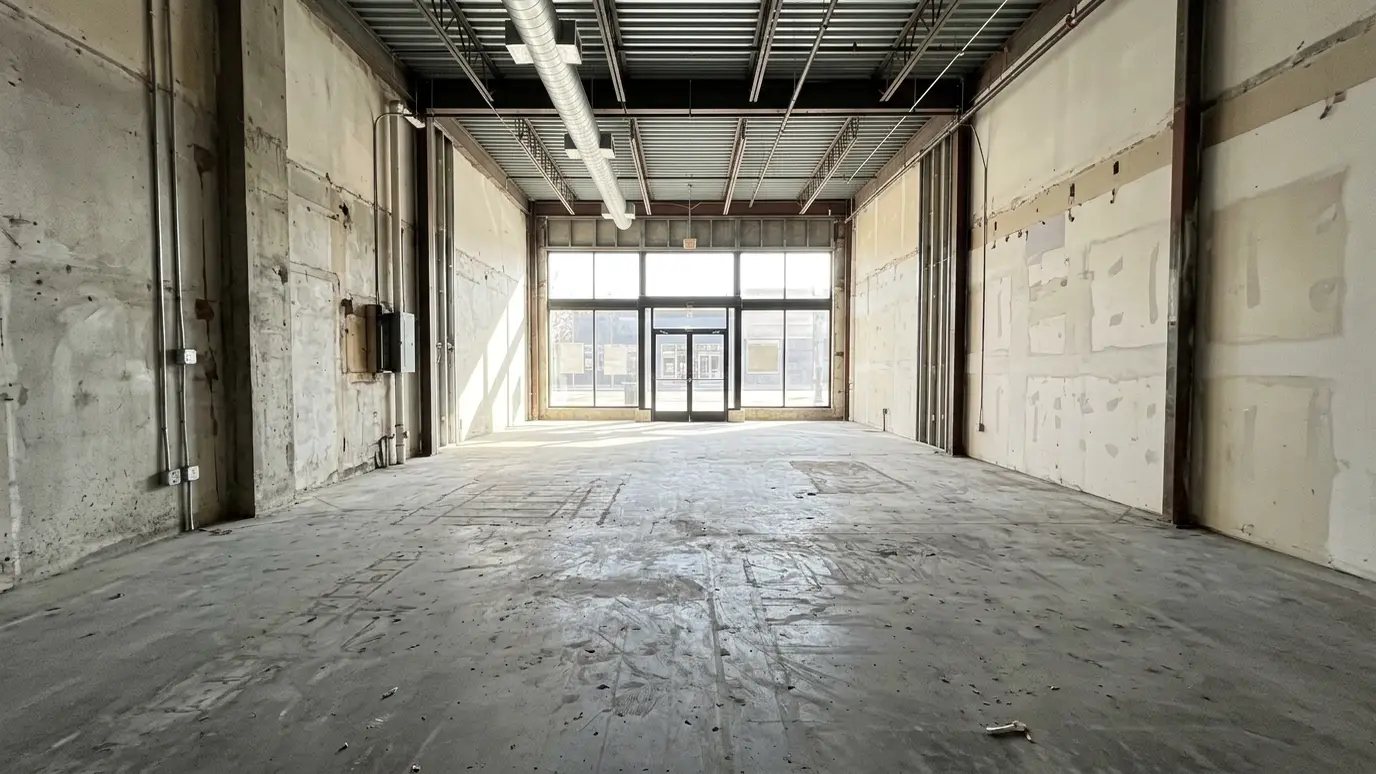 Project situationCommercial Build-OutsA new tenant means a new space. Here is how commercial demolition prepares restaurants, shops and offices for…Learn more
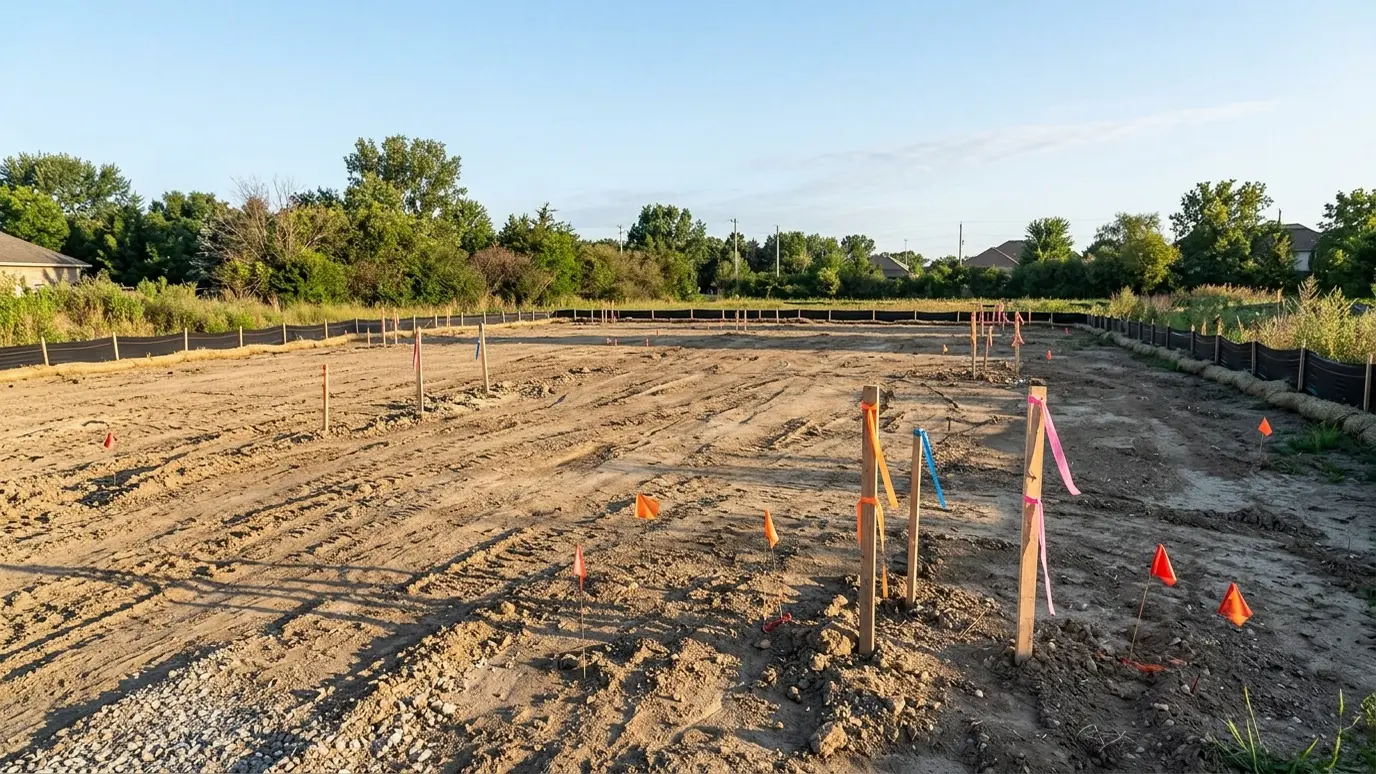 Project situationBuilder SitesBuilders need clean, graded, well-documented lots on a firm schedule. Here is how demolition and site work support…Learn more
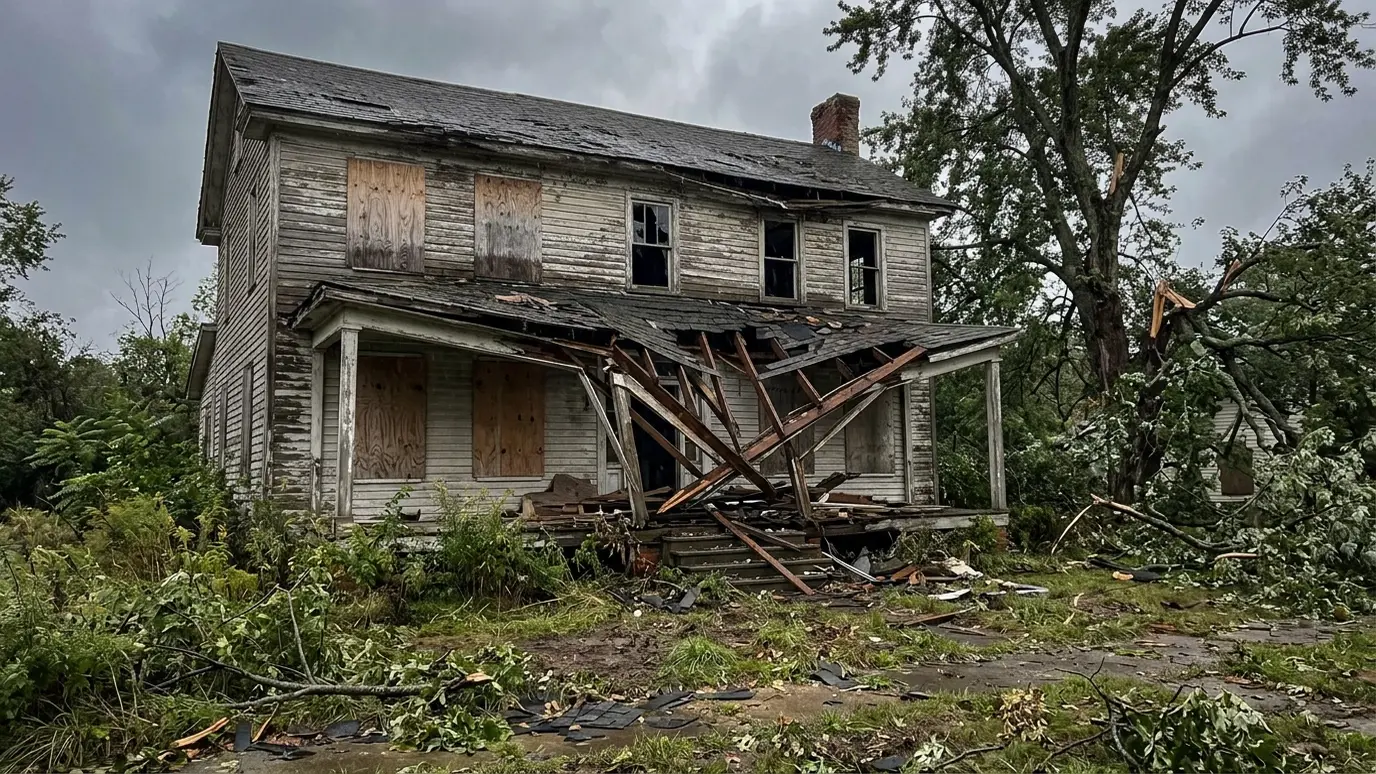 Project situationDamaged StructuresFire, storm, flood and neglect can leave a building unsafe. Here is how to make a damaged structure…Learn more
Pick the project and size to see the debris in cubic yards, the tons and the dumpsters or truckloads to plan for.
You tell us about the project, the timeline and any concerns, and we set a time to visit that fits your day.
We walk the structure and the lot, check access, utilities and likely hazards and take photos and measurements.
We prepare the written scope, coordinate permits, surveys and utility disconnects and set up fencing and dust control.
The work proceeds in a planned order with water on dust and materials sorted for recycling.
Debris is loaded and hauled away on schedule, and the site is swept and kept tidy.
We grade the lot, sweep for nails and debris, take photos and walk the finished work with you.
Yes. We use shears and cutting tools and sort the steel for recycling.
We identify them and plan removal, using specialists for tanks and contaminated material when required.
It depends on size, but most take weeks. We provide a schedule after the survey.
Often yes. We can reflect scrap value in the scope when it applies.
Yes. We can provide records of recycling and disposal.
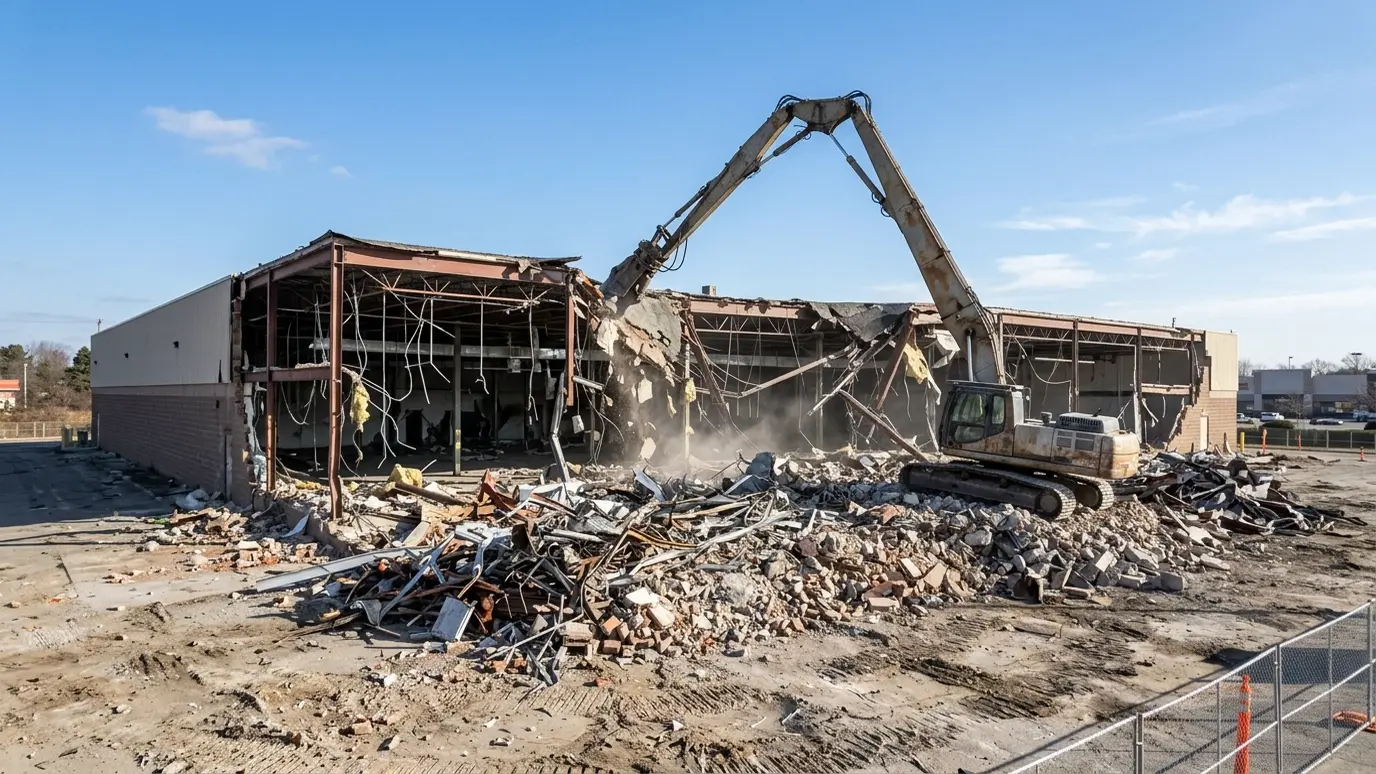 Commercial Building DemolitionFull demolition of stores, offices, churches, schools and commercial buildings, planned around permits, neighbors and tight schedules.Explore
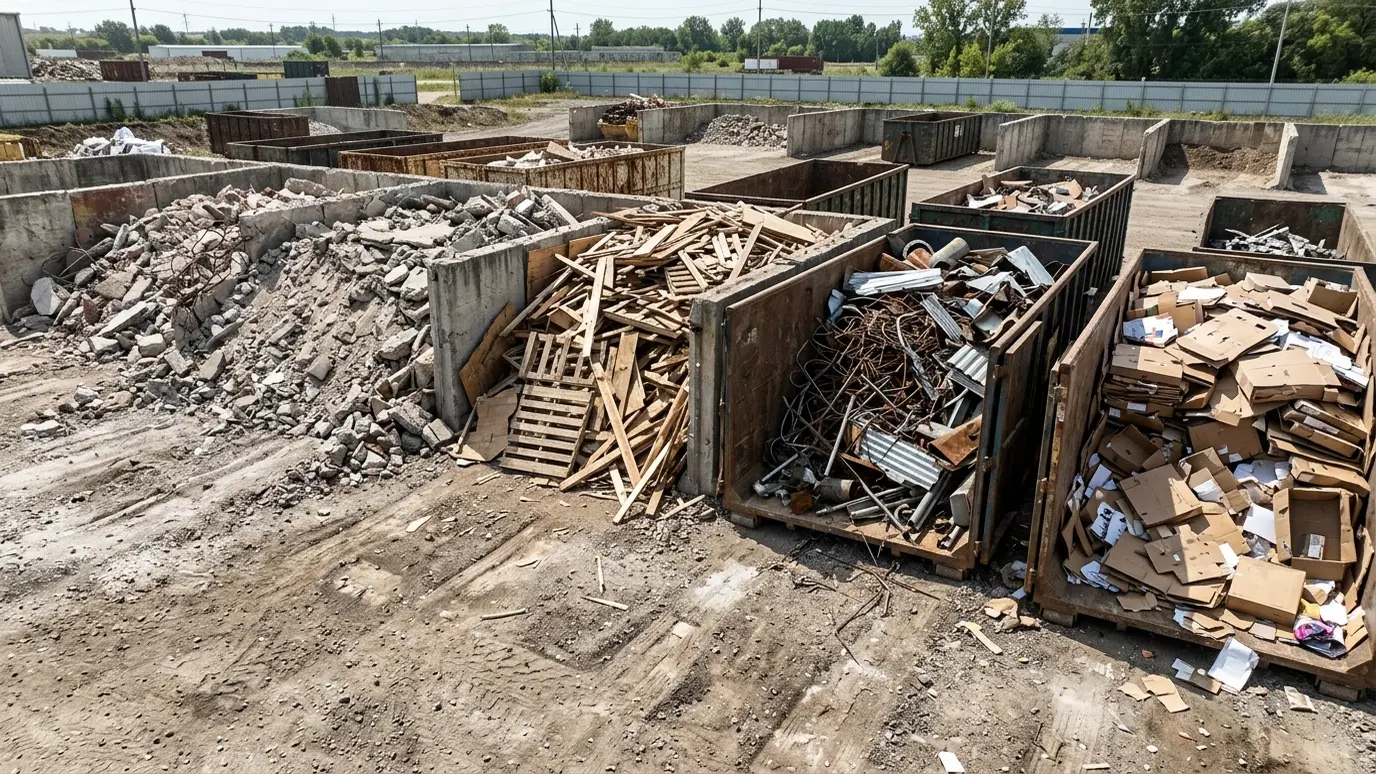 Recycling and Material DiversionConcrete, metal, wood, asphalt and masonry sorted and delivered to recyclers, reducing landfill loads and often lowering cost.Explore
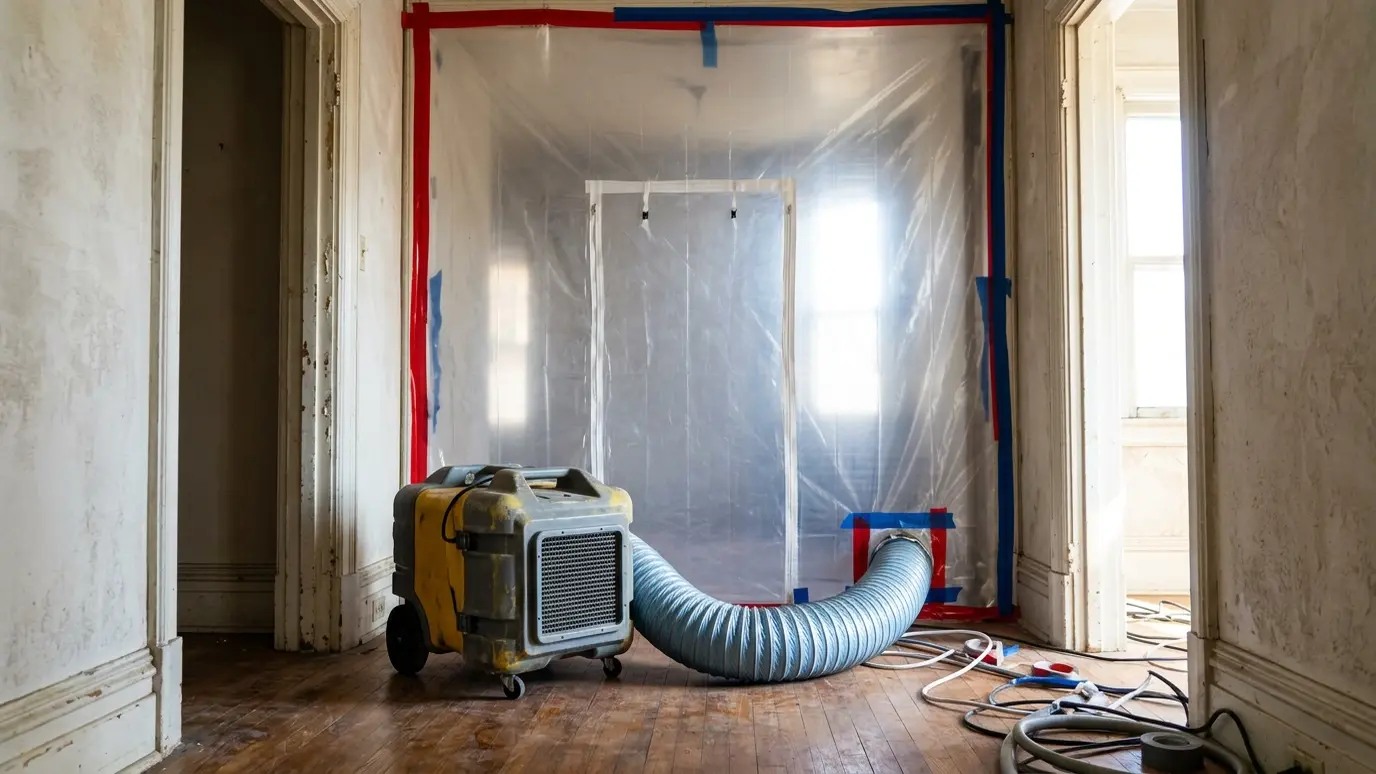 Hazmat Survey and Abatement CoordinationTesting and abatement of asbestos, lead and other hazards arranged with qualified specialists before demolition begins.Explore
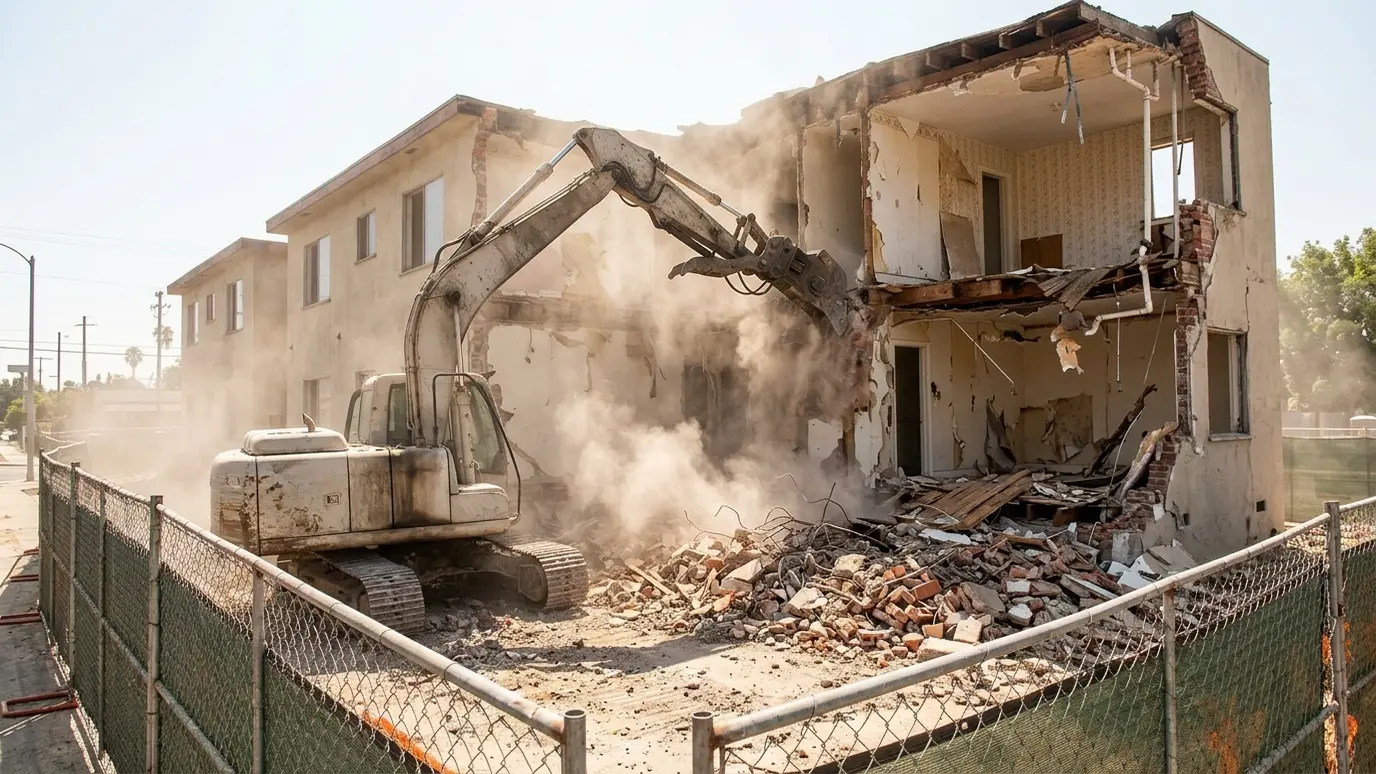 Multifamily and Apartment DemolitionApartment buildings, townhomes and multi-unit housing taken down or stripped, with neighbor protection and careful debris sorting.Explore
Tell us about the project and we will call you back to talk it through.
Or call (615) 357-7797 to talk now.